
Thyme | Southrop, Gloucestershire, England
A Farm Restored Into a Village: Conscious Select × Thyme

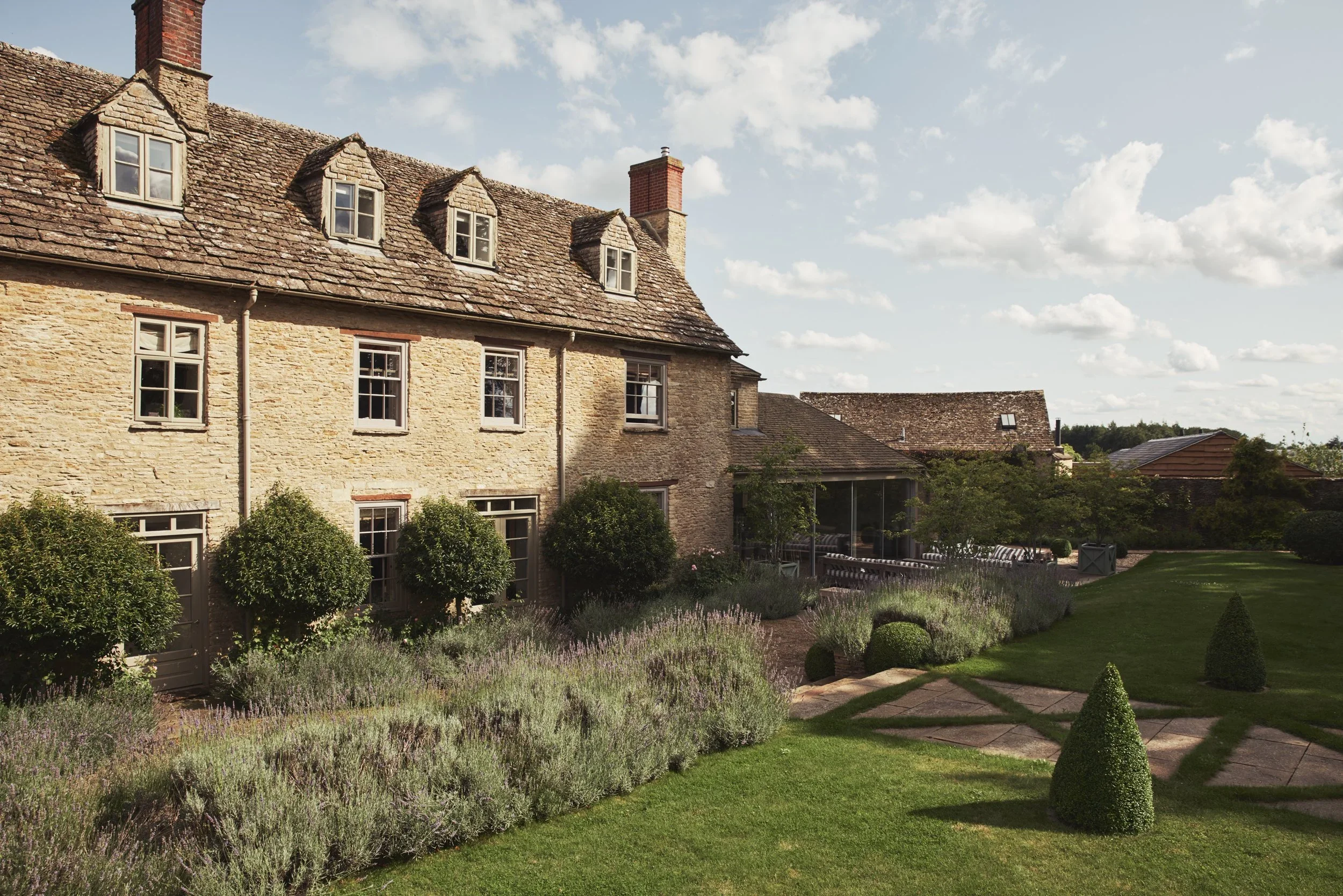
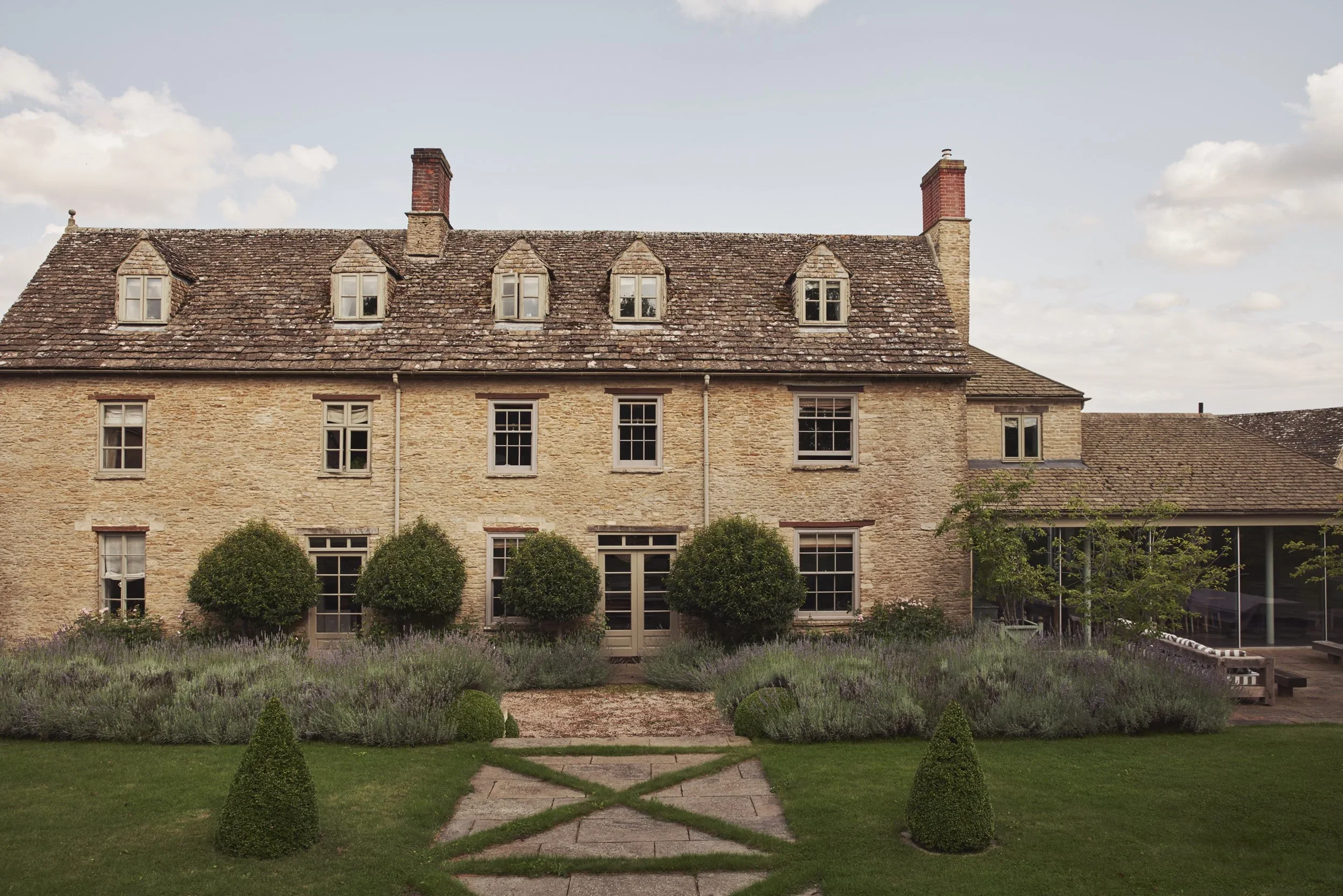
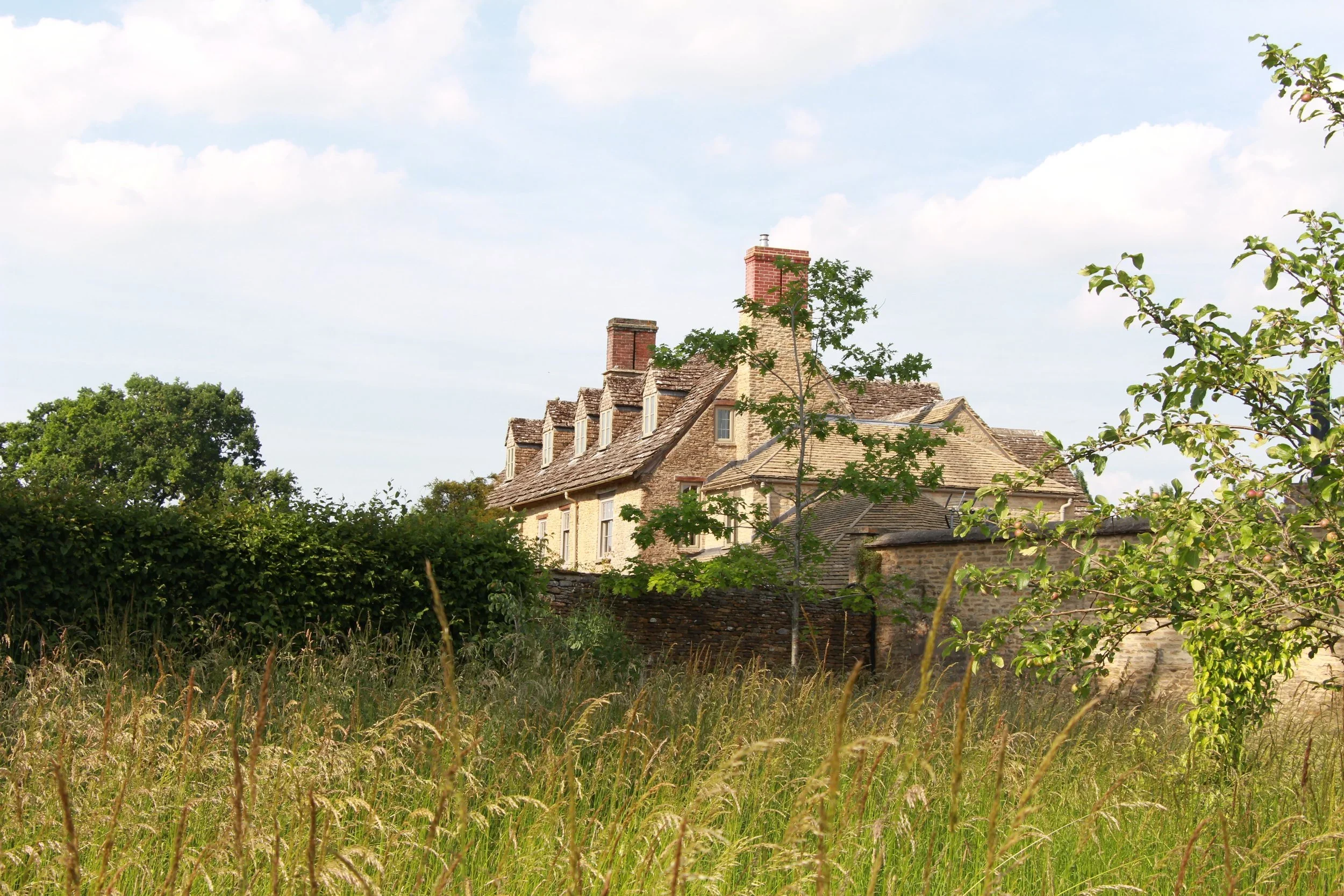
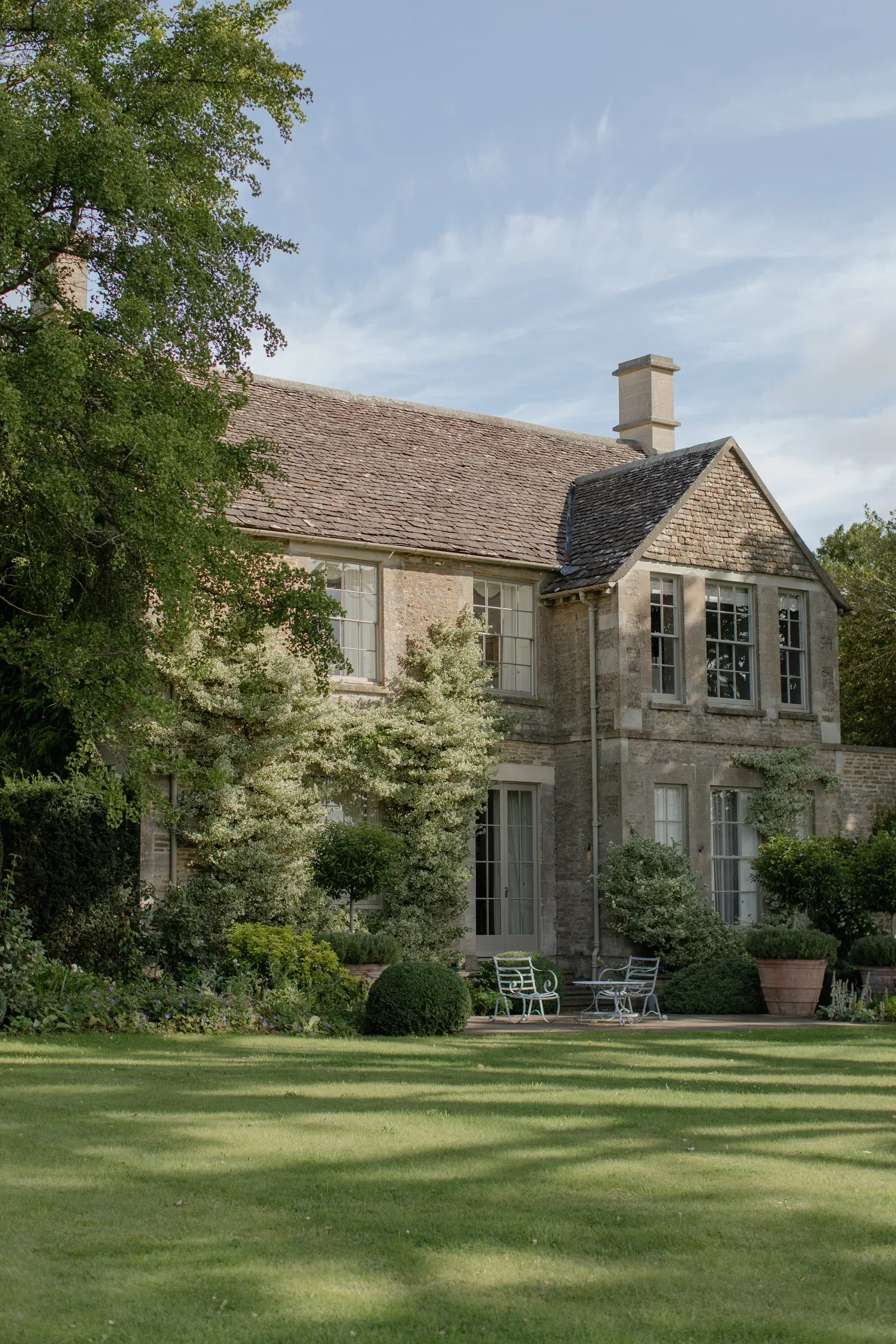
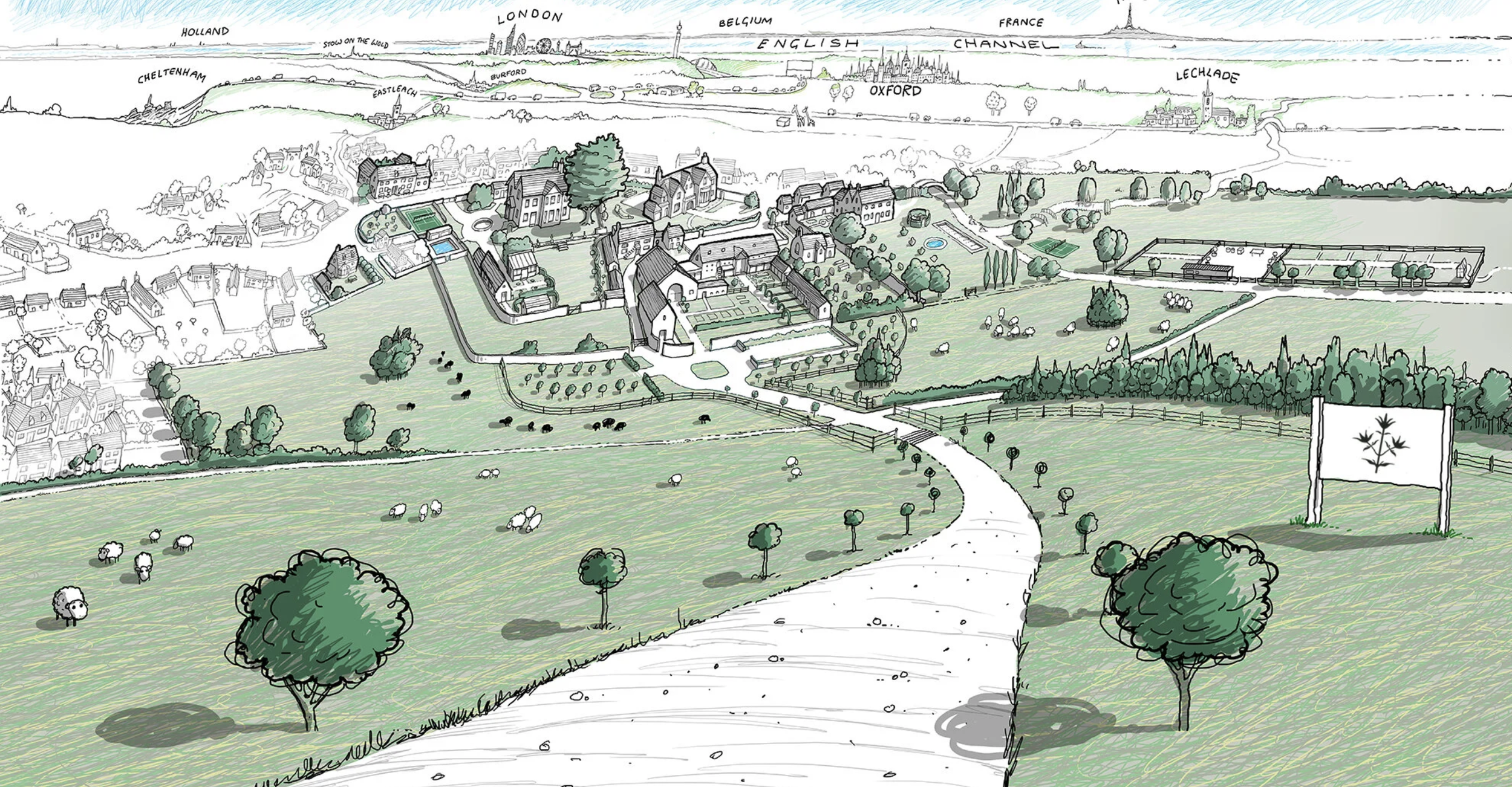
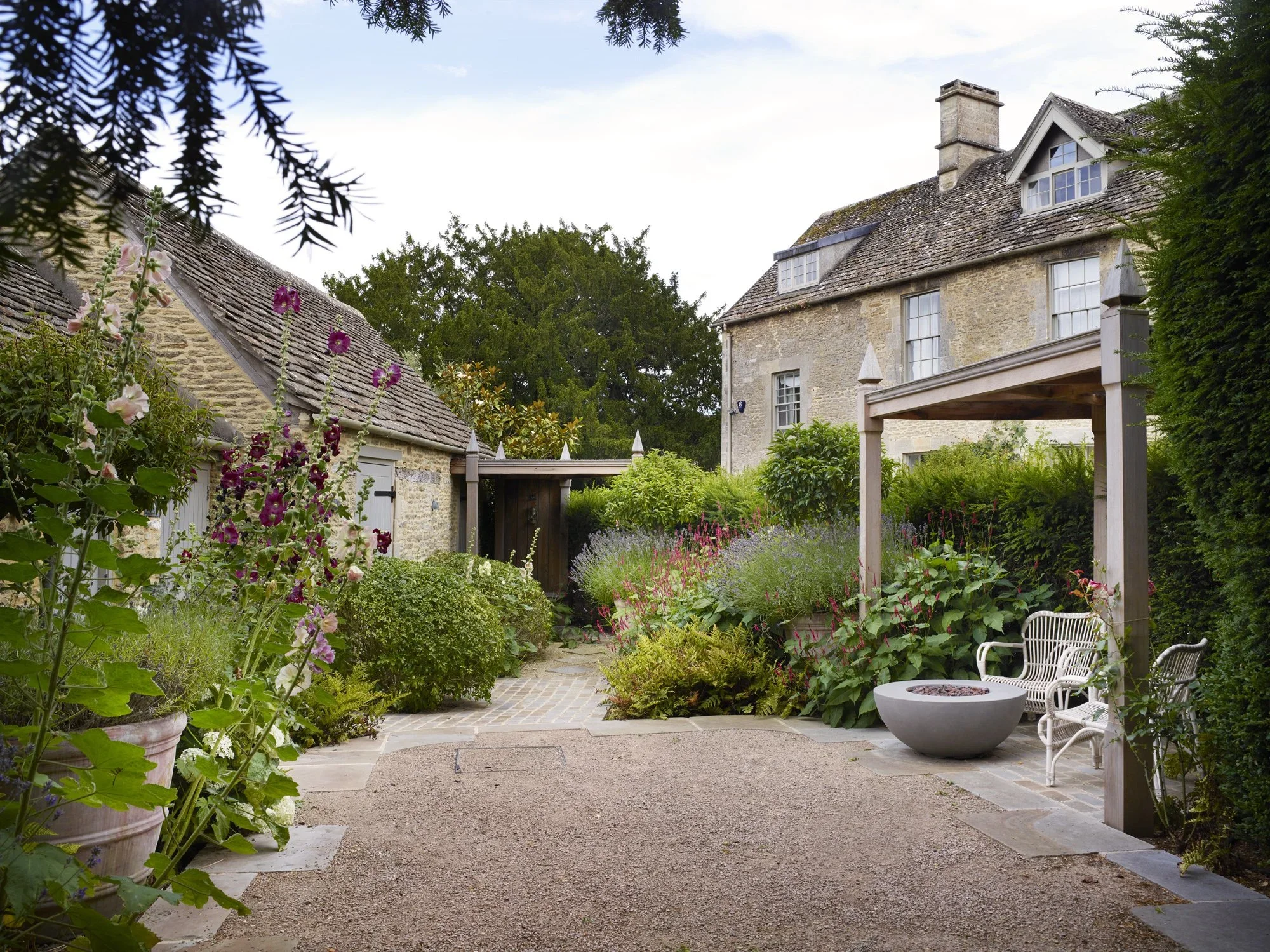
In a fold of the upper Thames valley, where the Cotswold stone goes the colour of wet honey, Thyme occupies 150 acres of what was once a working farm attached to Southrop Manor. Restored barns, byres, and a Georgian rectory sit along winding paths between kitchen gardens and orchard, built up building by building rather than laid out all at once. Nothing here was built to look old. It simply was, and still is.
The estate's history reaches back to the Domesday Book of 1086, through the hands of Elizabethan statesman Sir Robert Cecil and Nicholas Wadham, whose widow Dorothy founded Wadham College at Oxford, before the land left church ownership in 1926. Thyme's present form began in 2002, when Caryn Hibbert and her father Michael Bertioli, a physicist and engineer, started restoring the derelict farm buildings beside her family's manor house.
Why Thyme is One of the Cotswolds' Most Conscious Luxury Hotels: CS Badges



Thyme earns three of Conscious Select's four travel badges, a meaningful result for a property built almost entirely from restored agricultural structures. What follows is the honest detail behind each one.
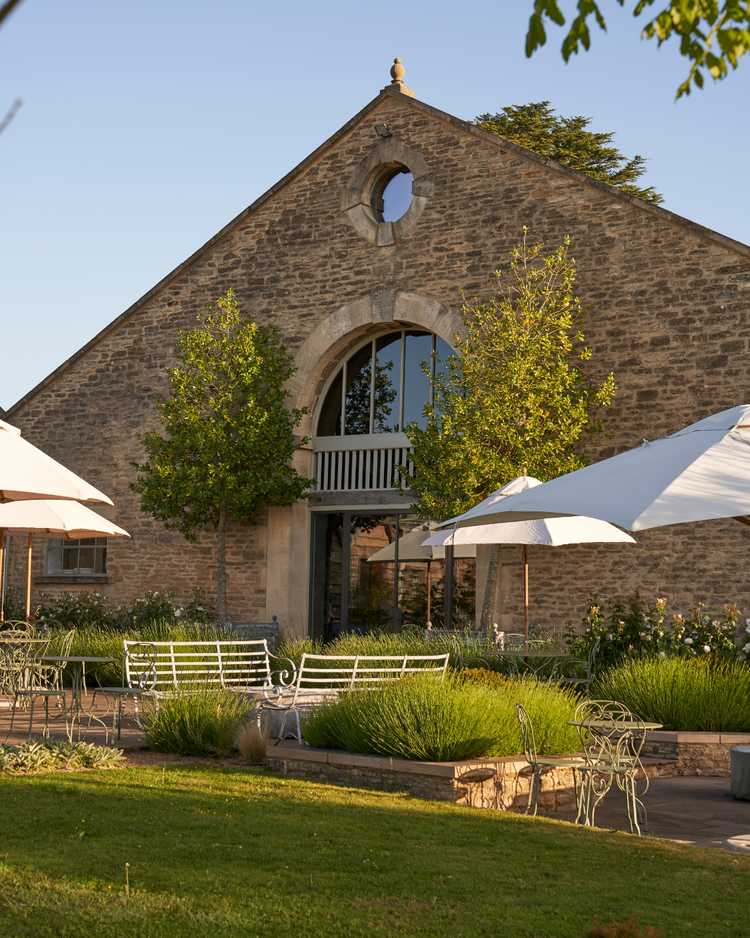
Sourced from Place | Thyme's kitchen and cutting gardens, orchard, and herb beds supply its restaurants directly, and every cut flower on the property is British-grown and seasonal. The buildings are the land's own former farm structures, a converted tithe barn, old lambing sheds, cow byres, and a Georgian rectory, restored rather than replaced. Ingredients and architecture both come from what was already standing on the ground.
In practice: on-site kitchen and cutting gardens · orchard supplying the restaurants · British-grown seasonal flowers only · restored 17th-century farm buildings
Restorative | Before 2002 these were derelict agricultural buildings on a working farm, not a hospitality site. Caryn Hibbert and her father chose restoration over demolition and new-build, guided by the belief that conservation means securing the future as much as preserving the past. The Tithe Barn, the Ox Barn, and the former lambing sheds kept their original form and purpose in spirit rather than being cleared for something new.
In practice: derelict farm buildings restored rather than demolished · original agricultural structures kept in active use · family-led restoration beginning in 2002
Leave No Trace | Thyme heats its buildings with ground-source heat pumps and boreholes rather than fossil fuel systems, and its swimming pool runs on chlorine-free filtration. Single-use plastics have been phased out across the property, and food waste goes through anaerobic digestion to produce fertiliser rather than landfill. These are operational choices rather than third-party environmental certifications, but they are substantive and already in place, not aspirational.
In practice: heat pumps and borehole heating · chlorine-free pool filtration · single-use plastics eliminated · food waste processed through anaerobic digestion
The Experience at Thyme, Southrop
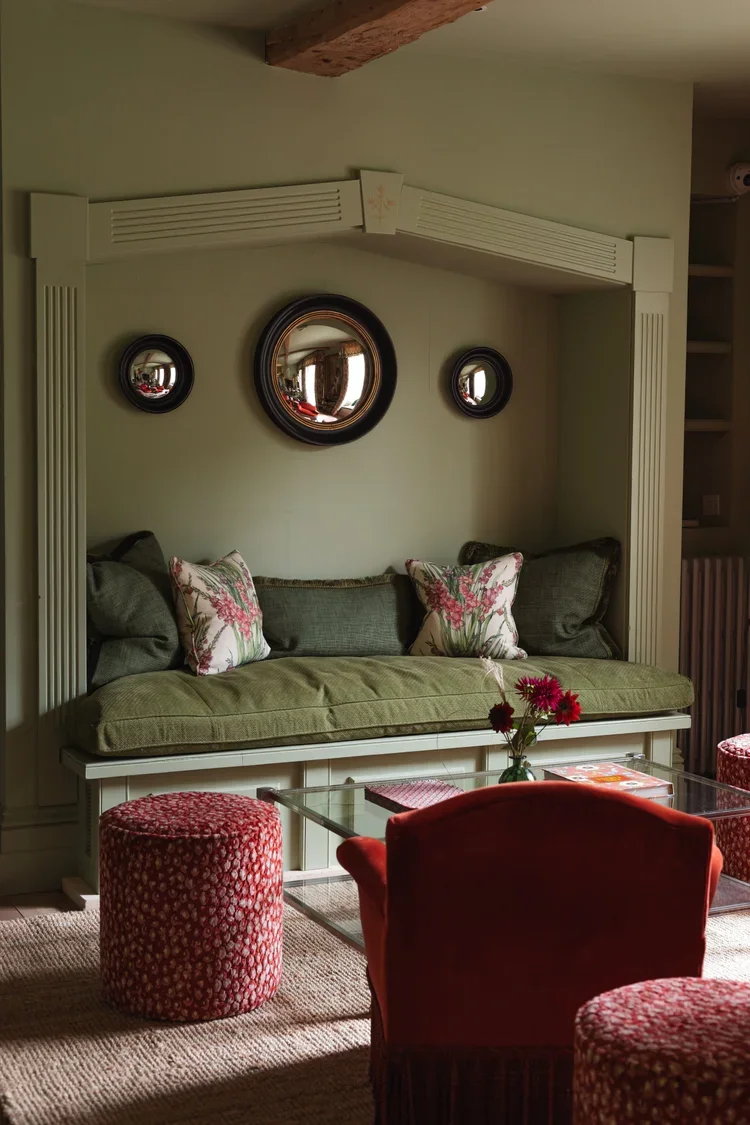
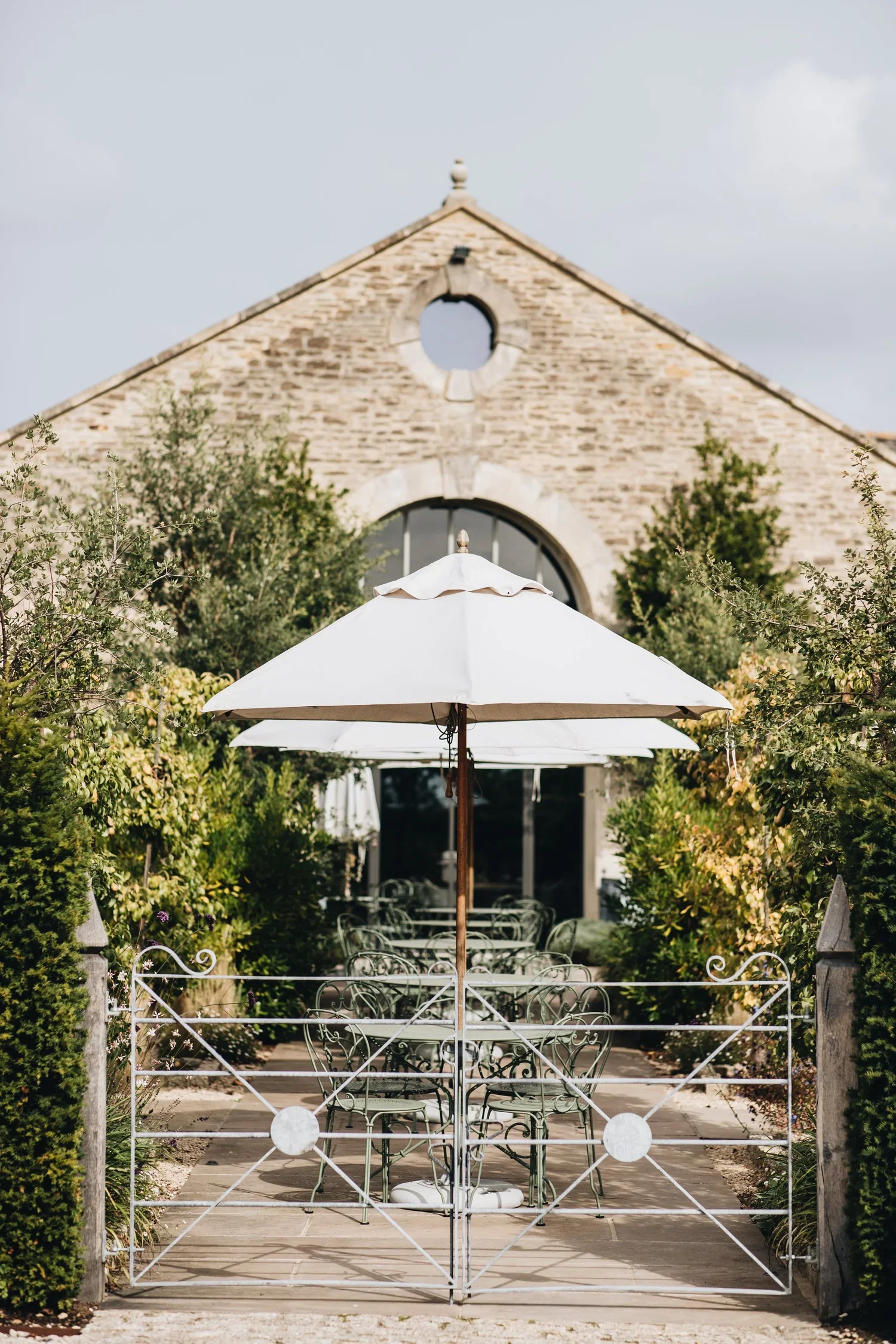
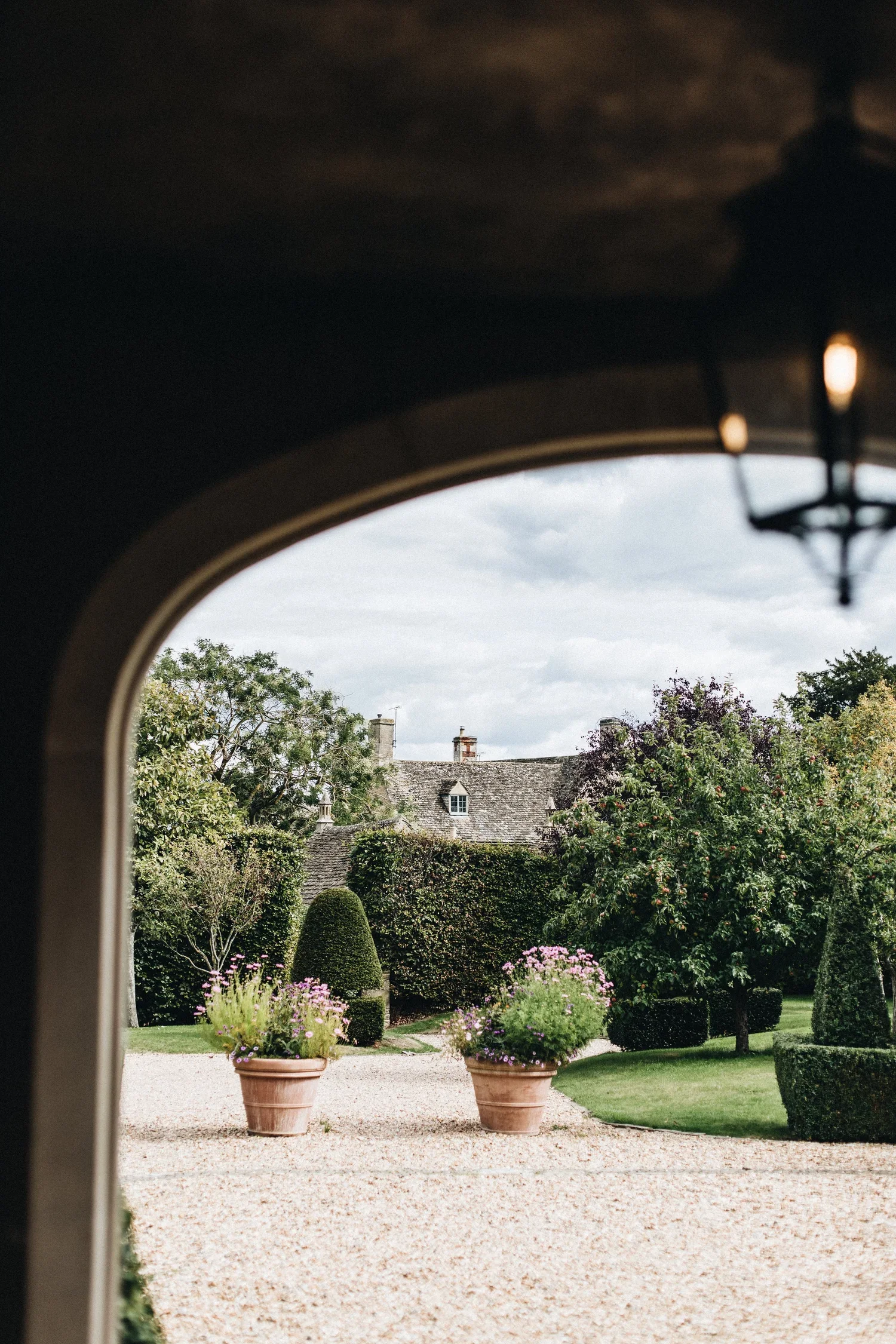


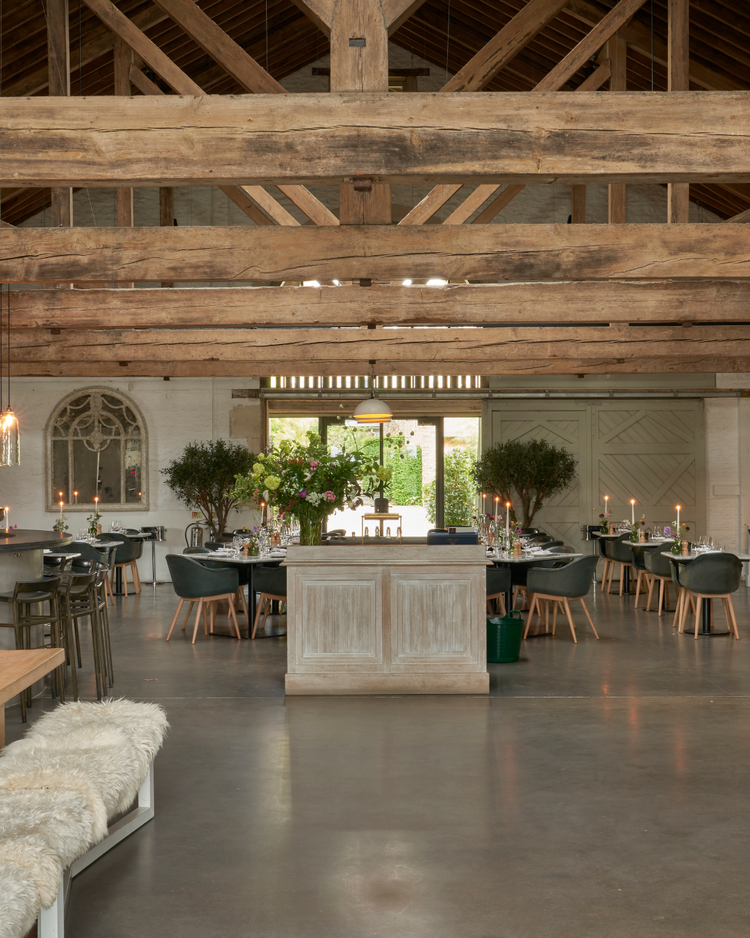
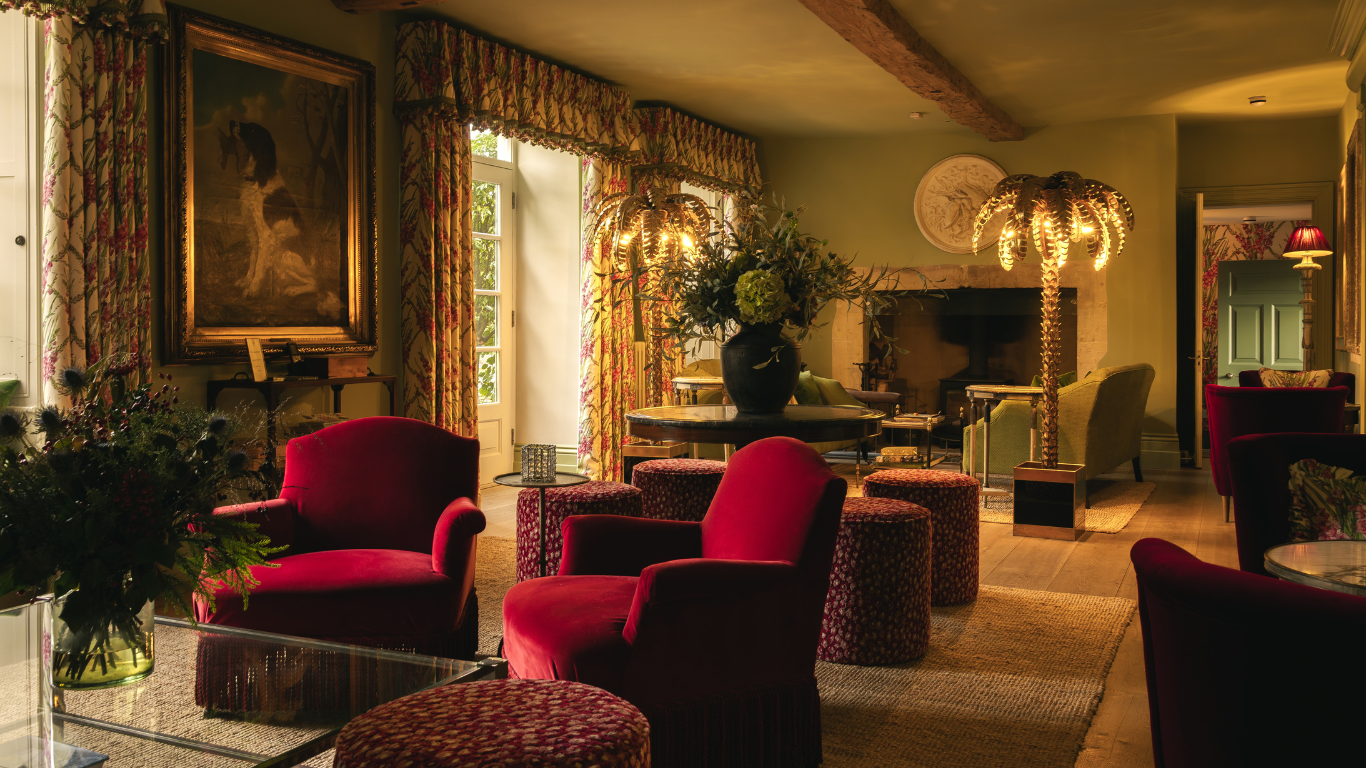

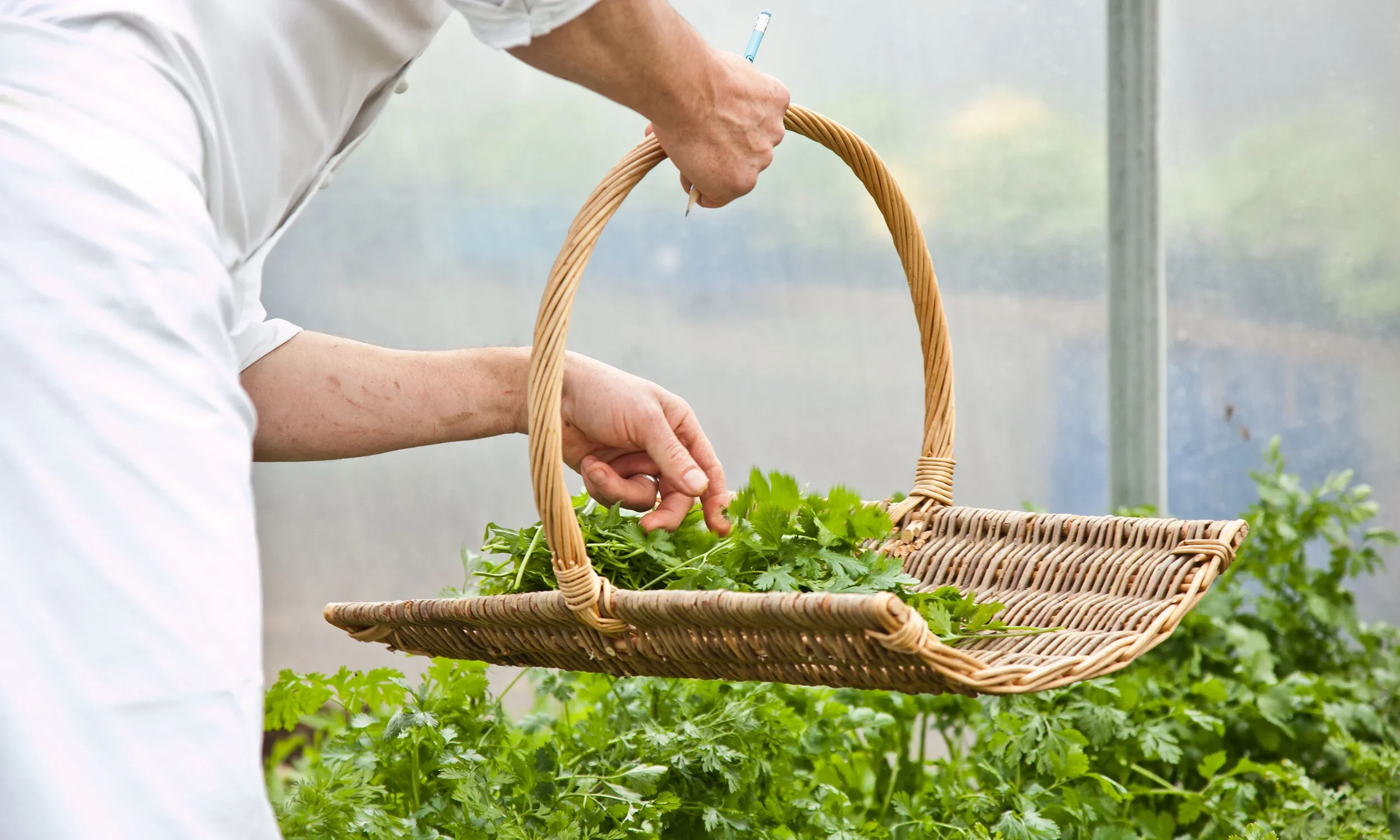
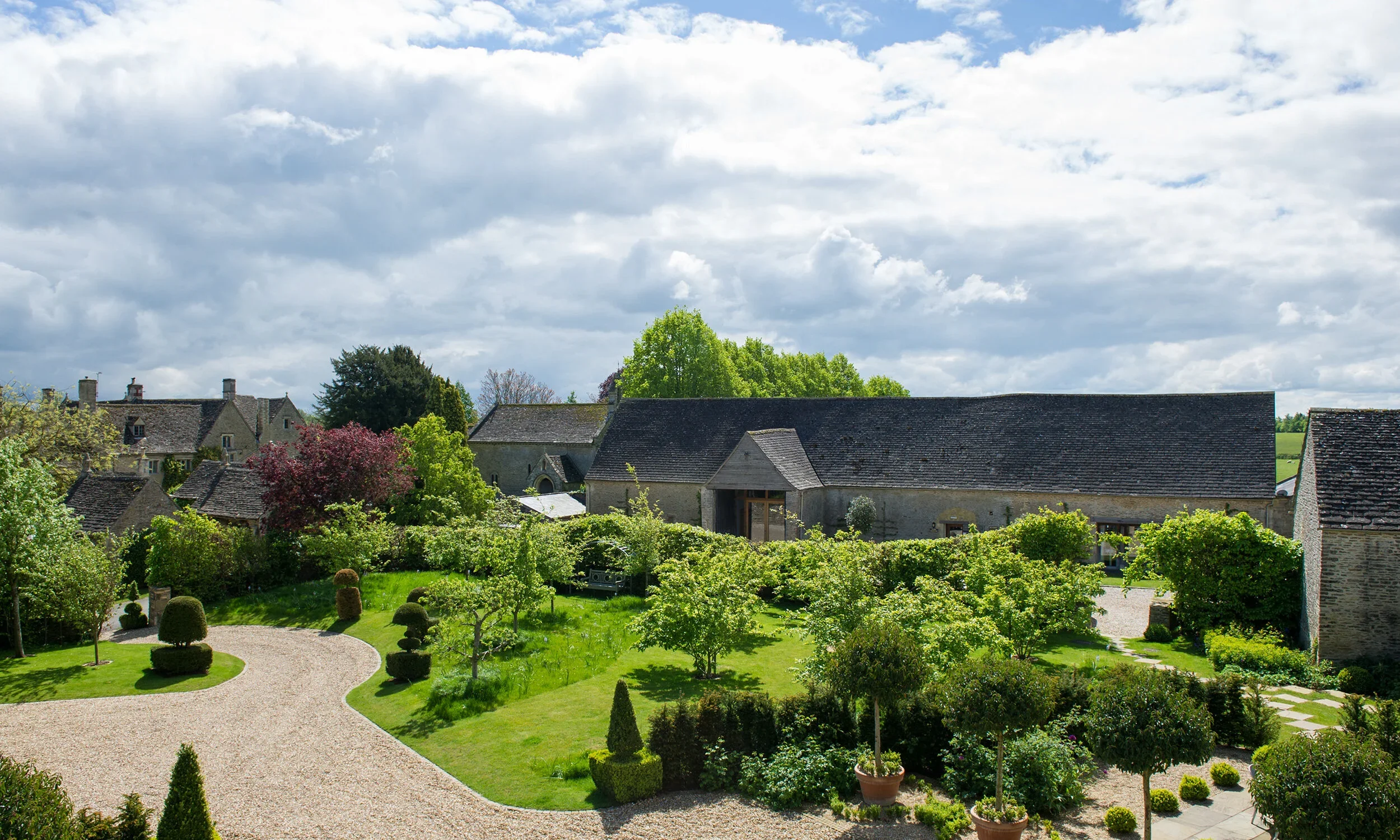

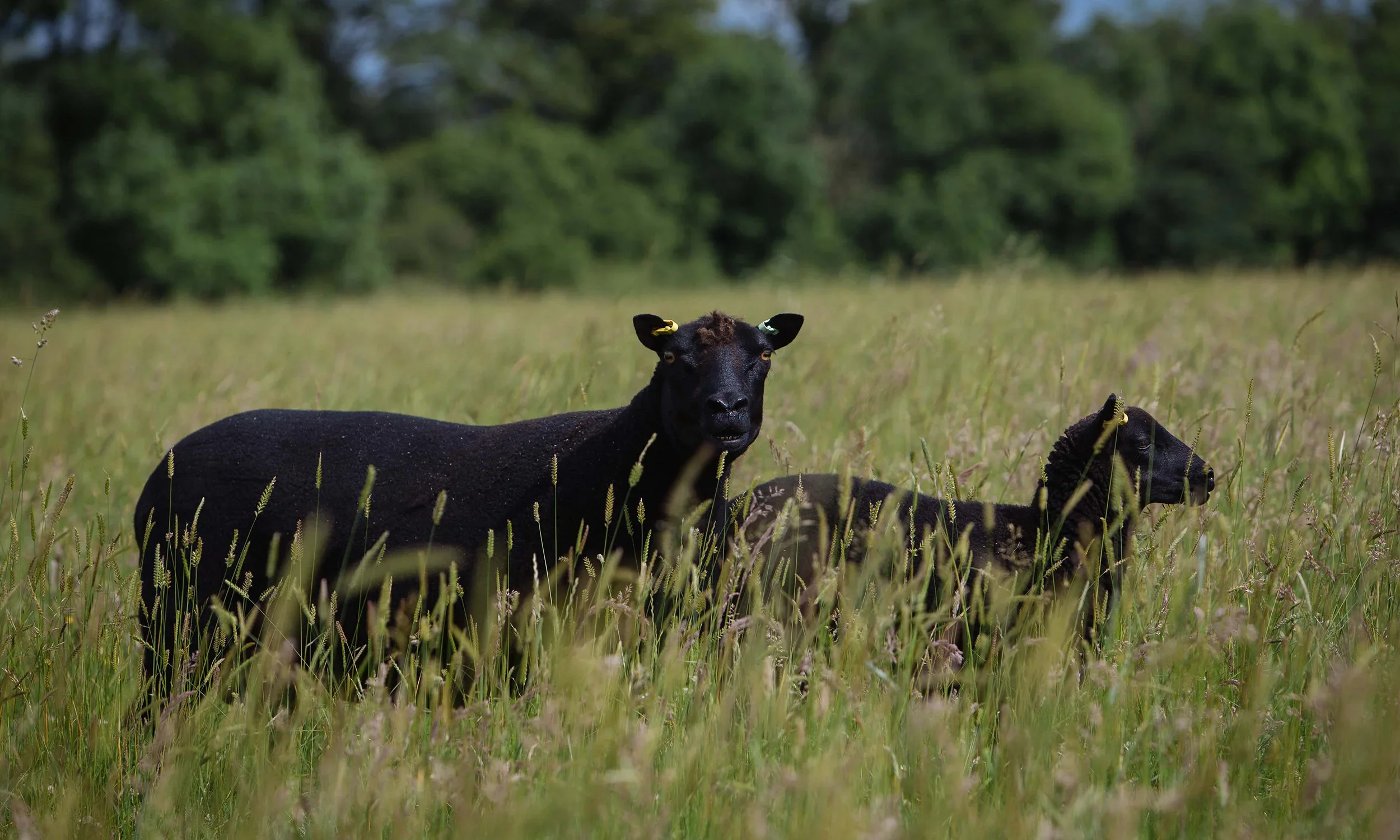
At Thyme, the day follows the rhythm of the kitchen garden and the cookery school as much as any guest itinerary.
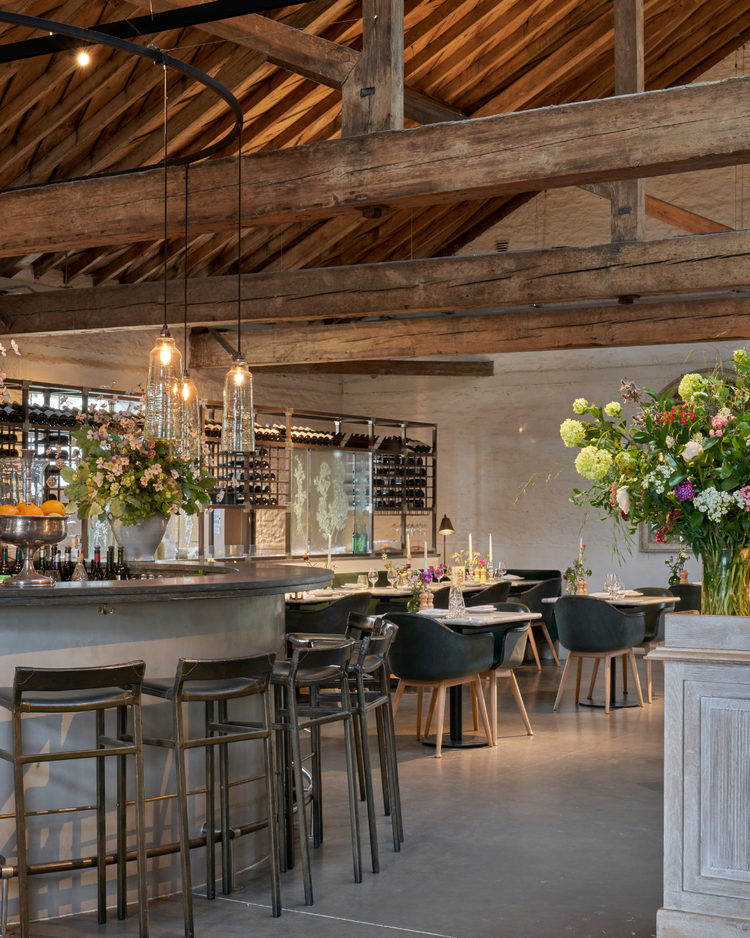
Mornings begin around Southrop's courtyard, past the herb beds toward the Ox Barn, the estate's main restaurant, built into a former agricultural barn and serving produce grown steps away. The cookery school runs seasonal classes in preserving, foraging, and bread-making, taught in the same Tithe Barn where it began in 2007.
Afternoons move between the Meadow Spa's chlorine-free pool and the gardens themselves, cutting beds and orchard paths that double as the source for the kitchen. The Swan, the estate's pub, sits at a slower register, built for a pint and a fire rather than an occasion.
Evenings settle around the Ox Barn's open kitchen, where head chef Charlie Hibbert, Caryn's son, cooks largely from what the estate itself grows.
About the Rooms
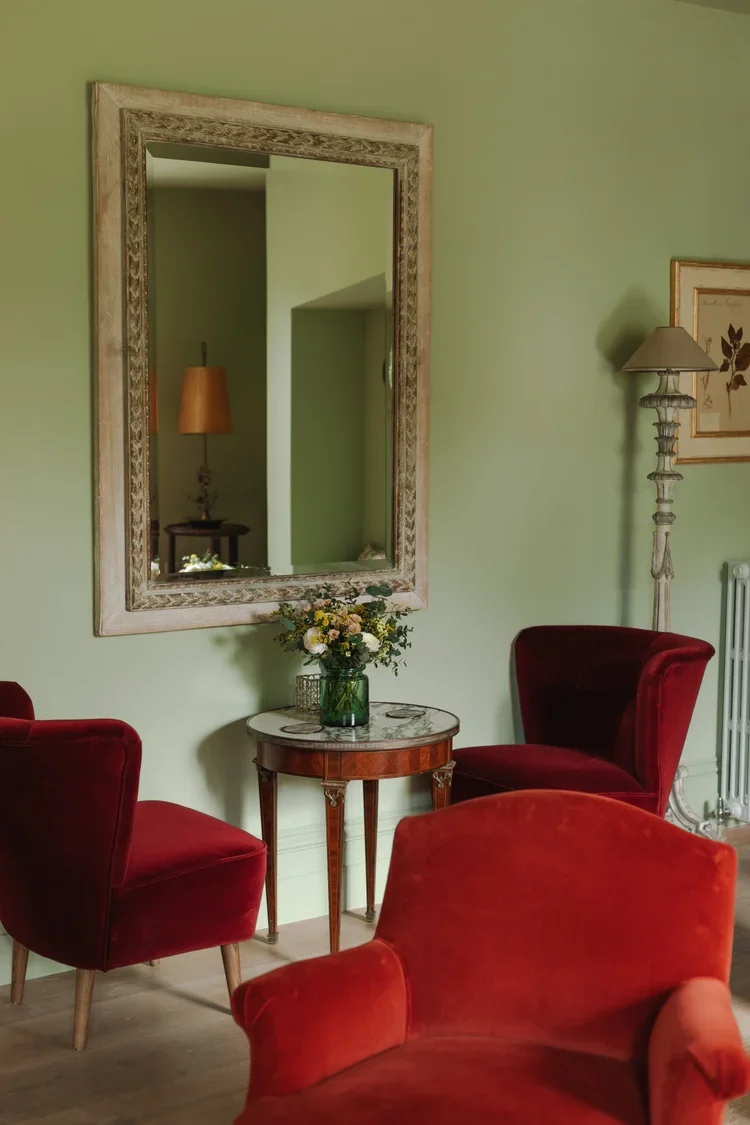
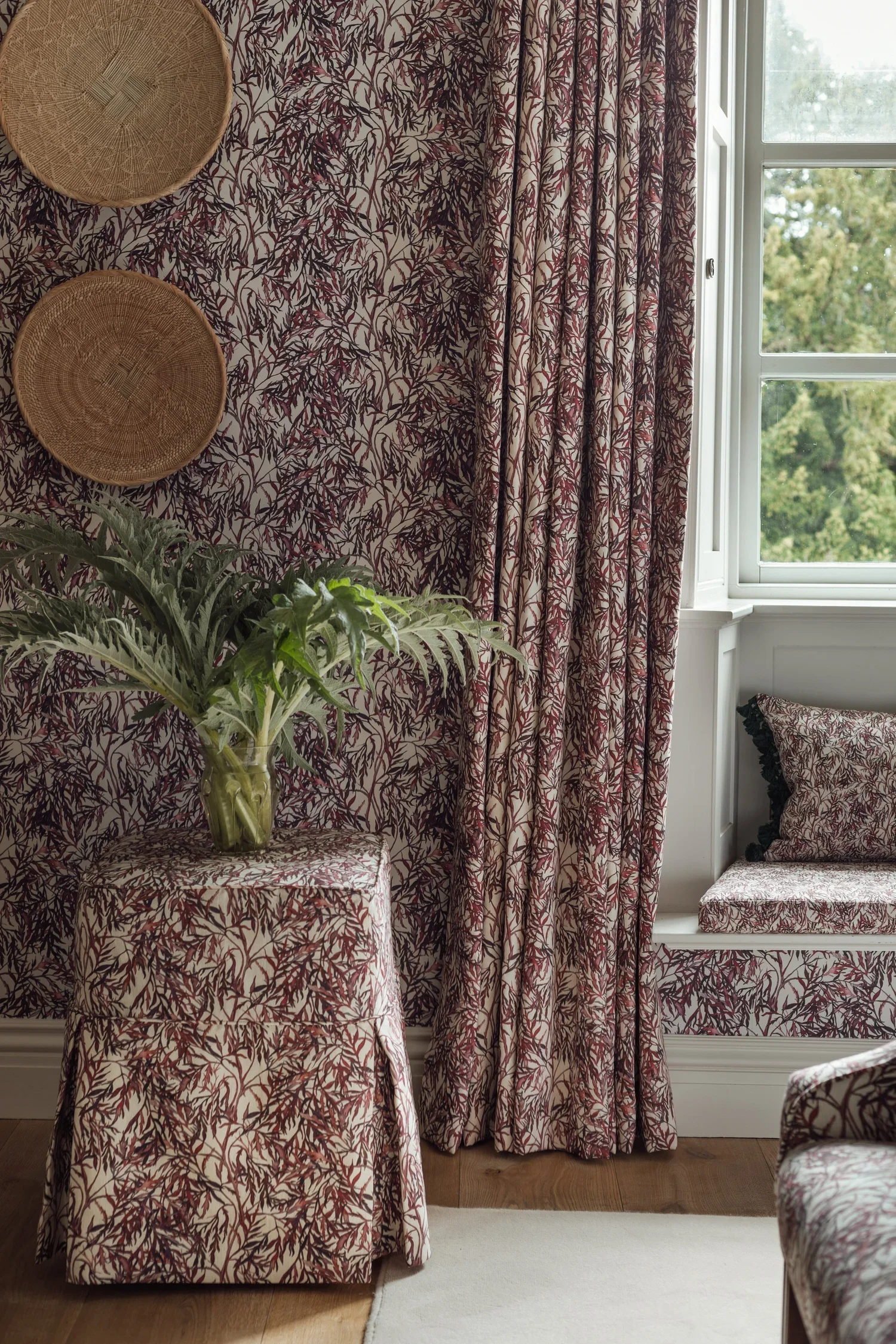
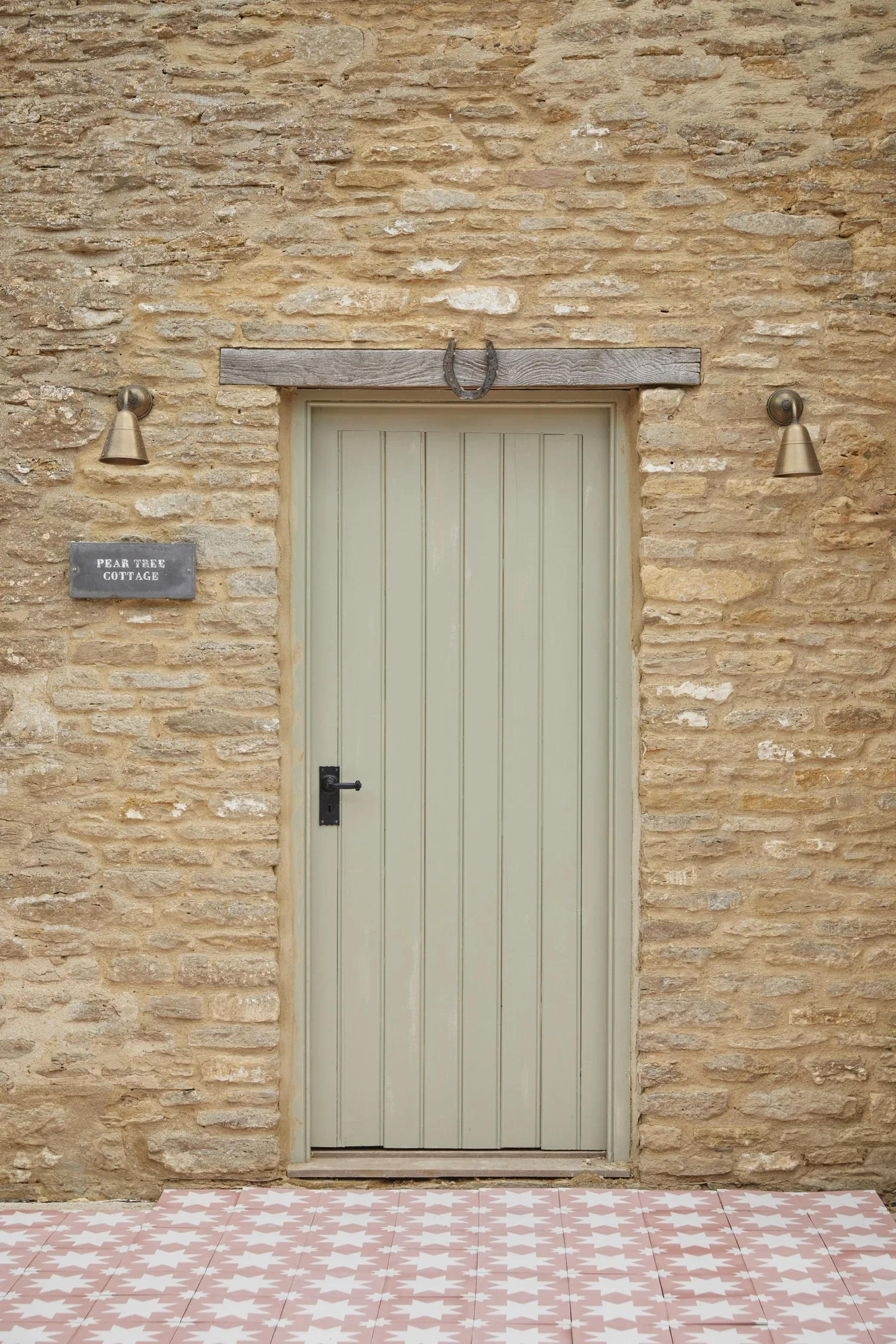
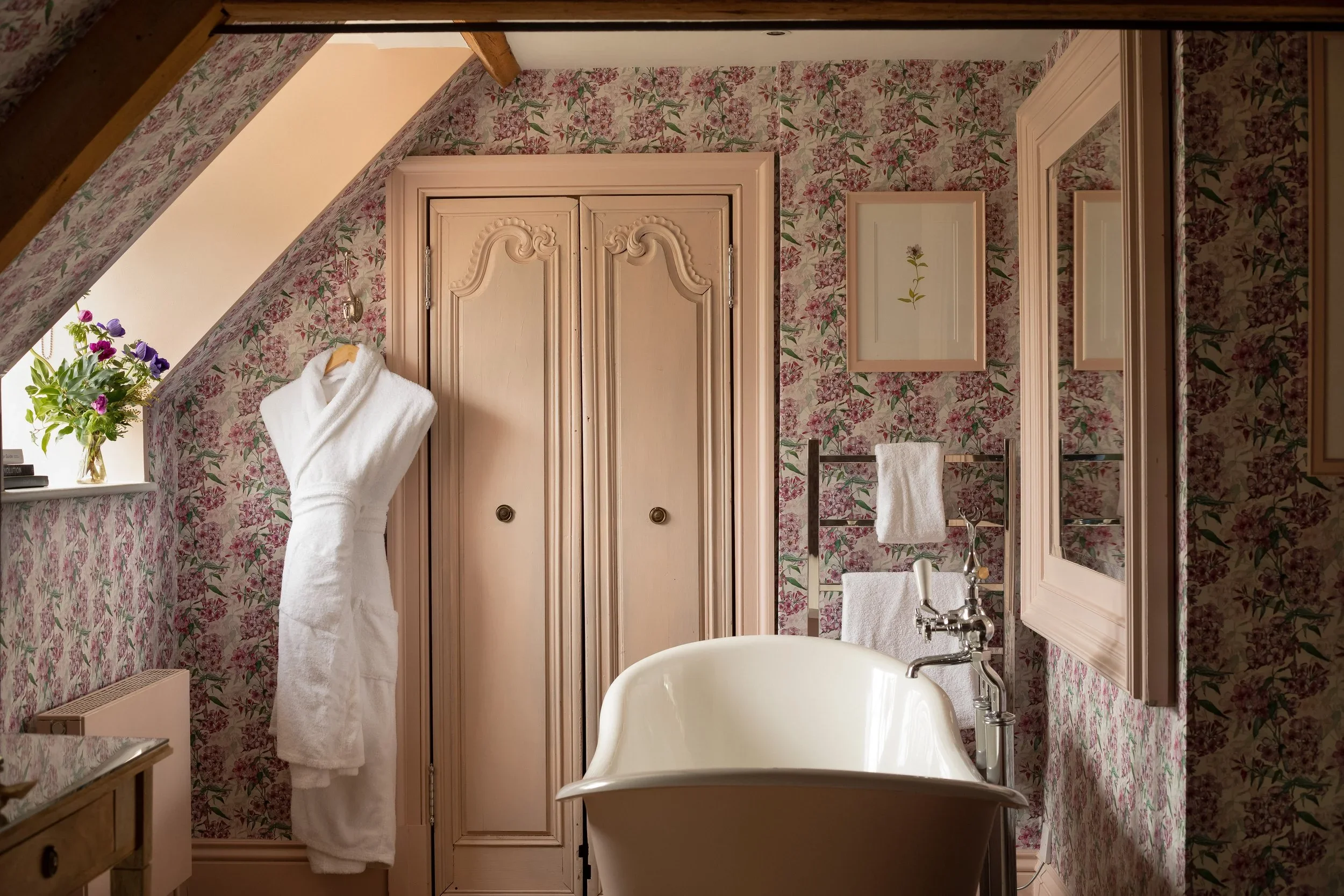
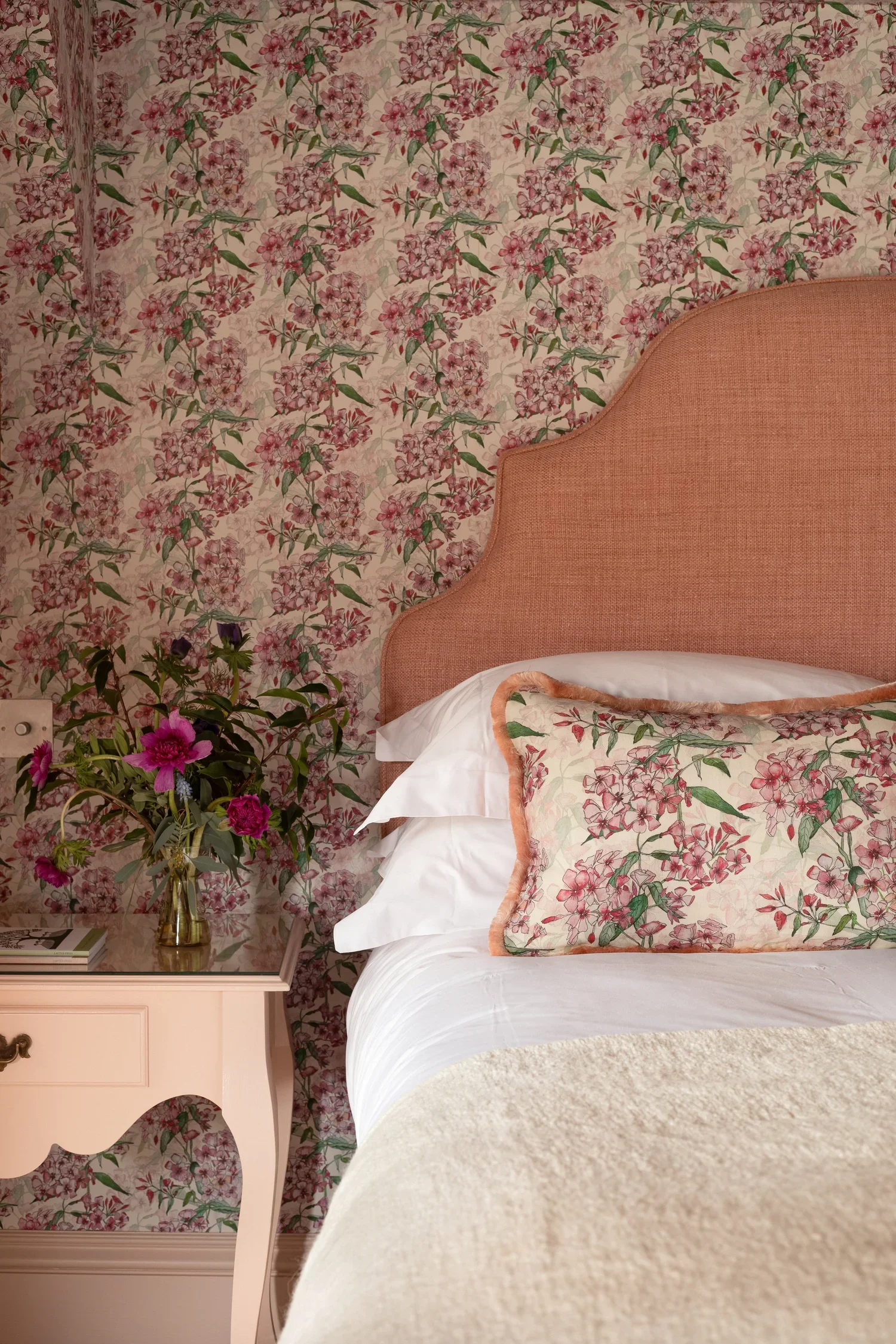
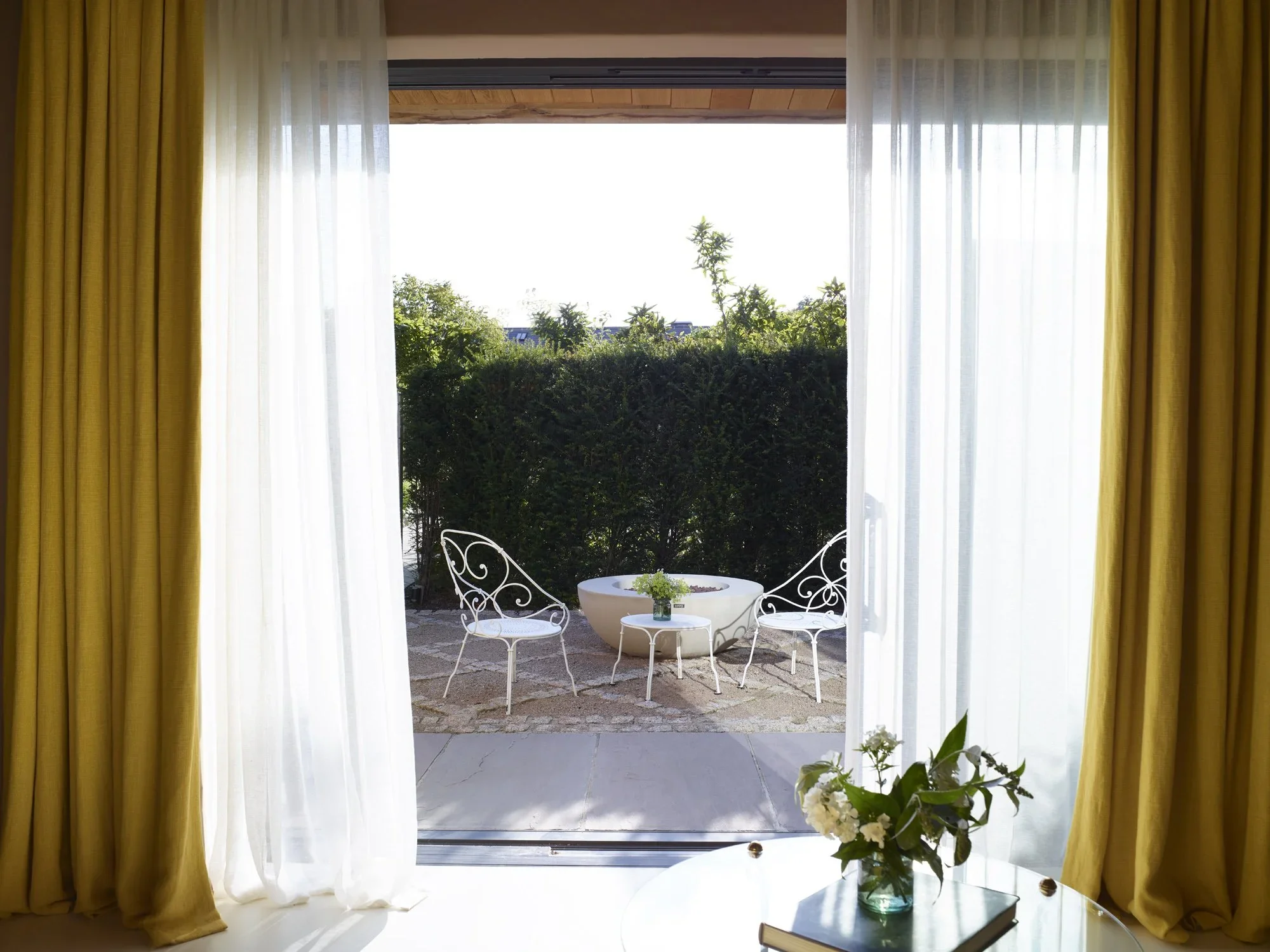
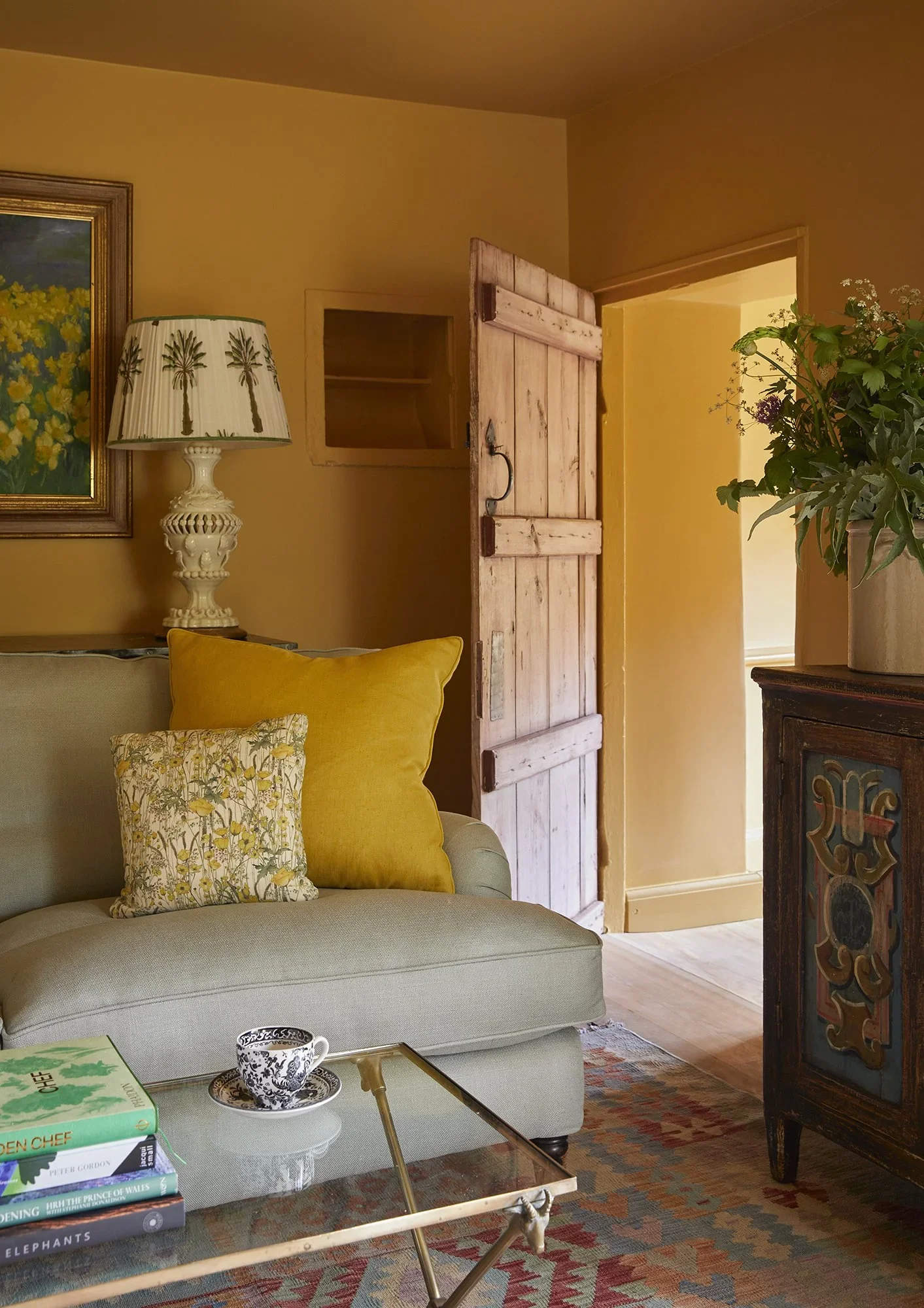
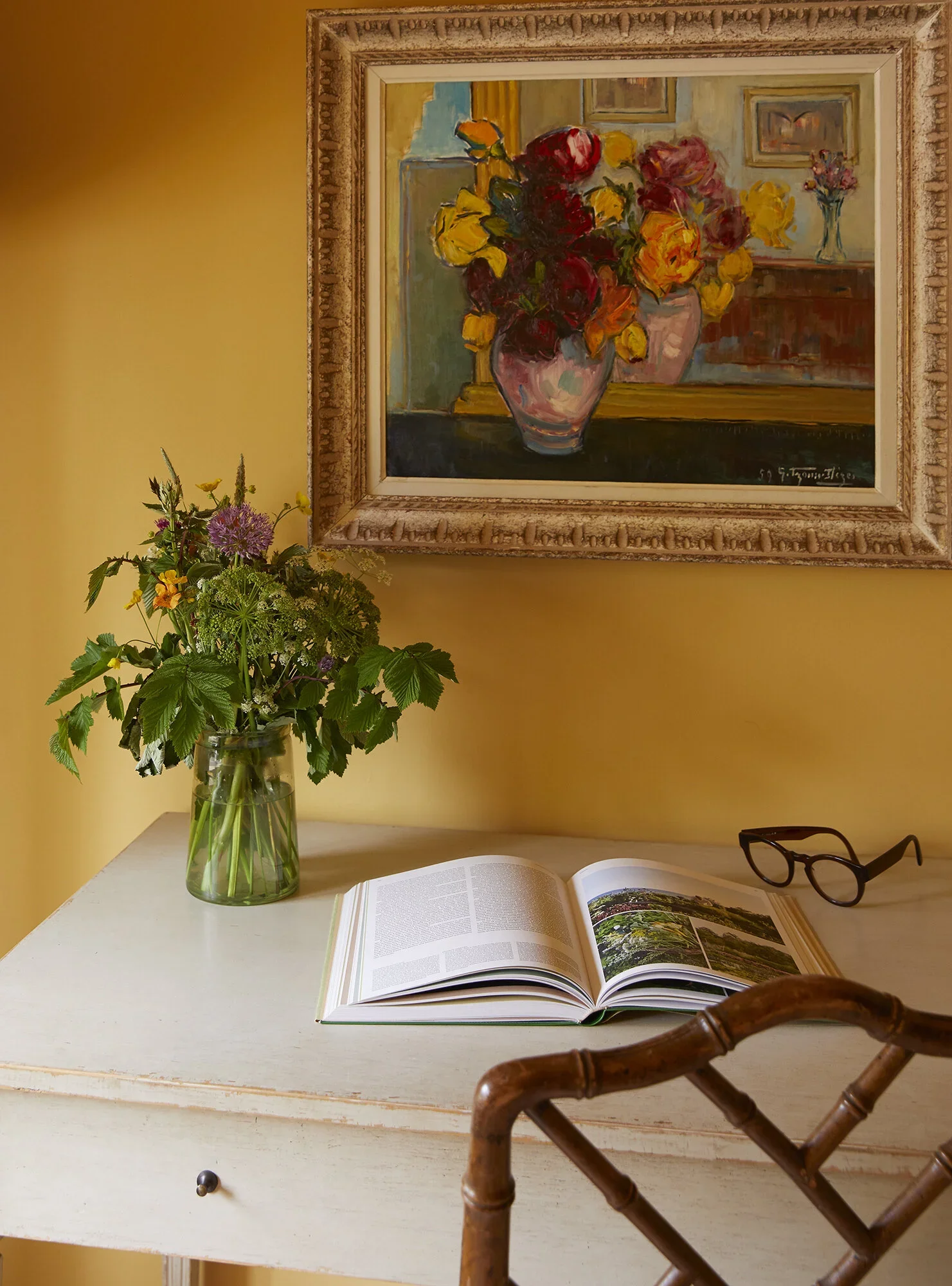
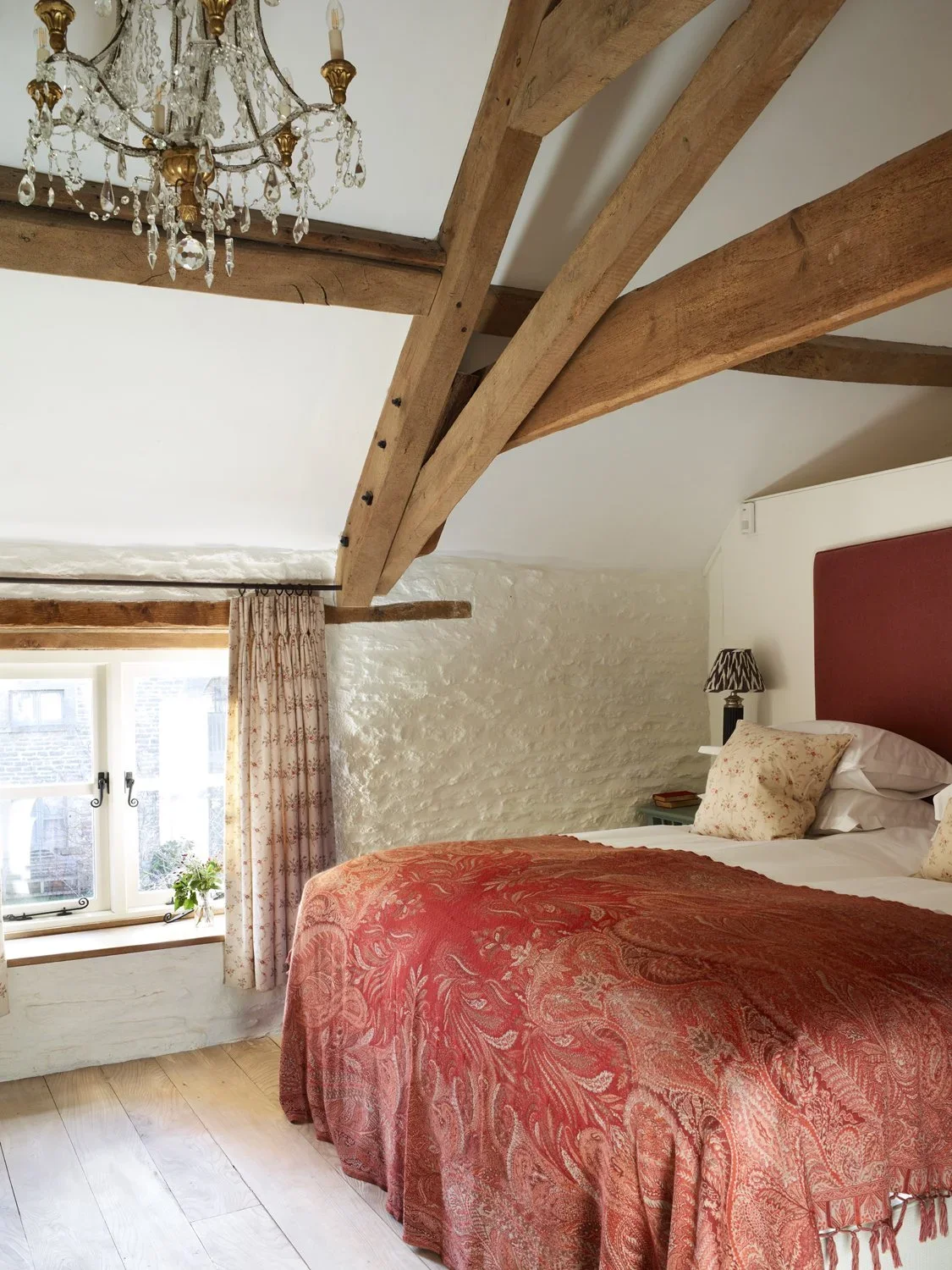
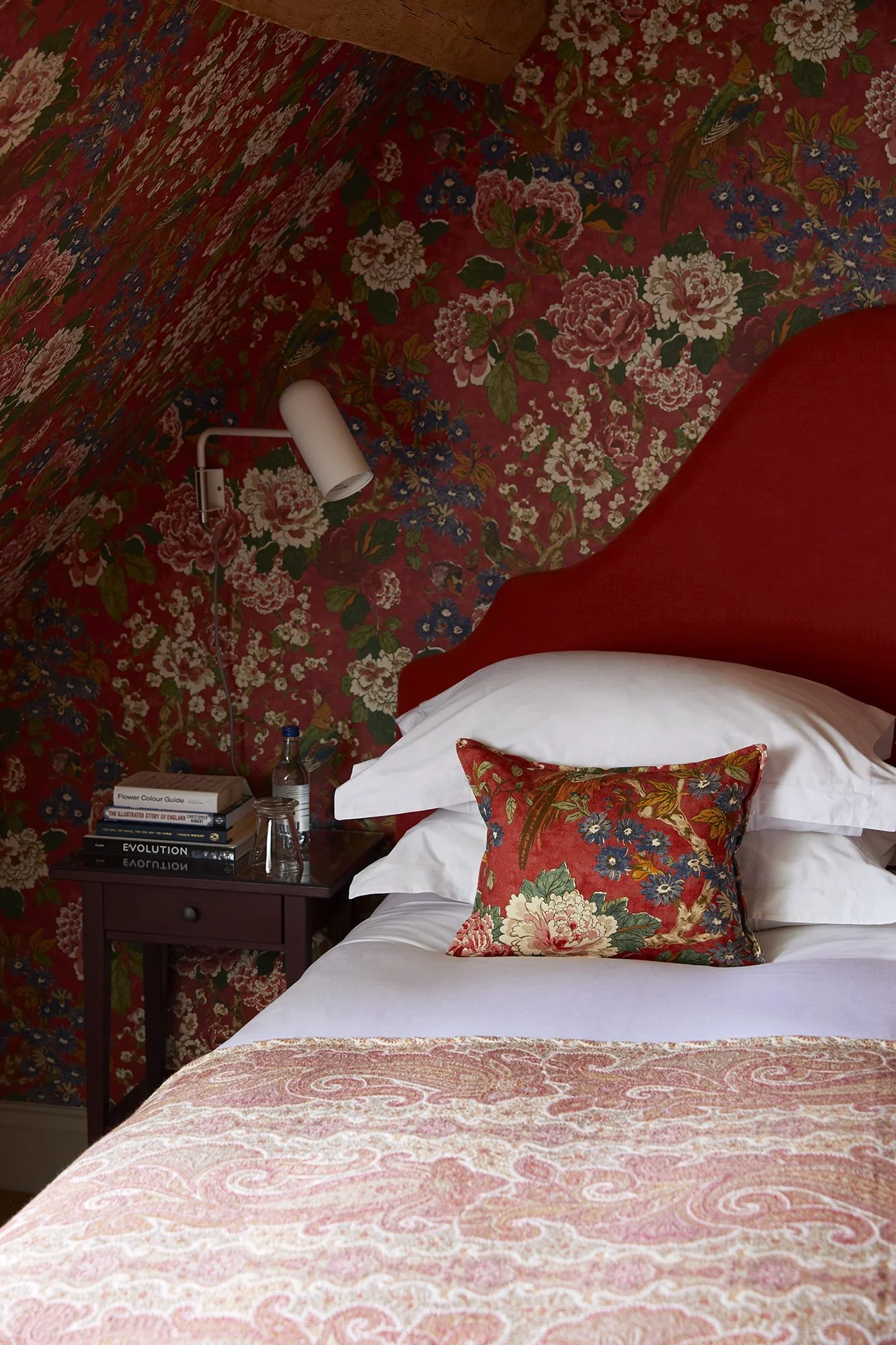
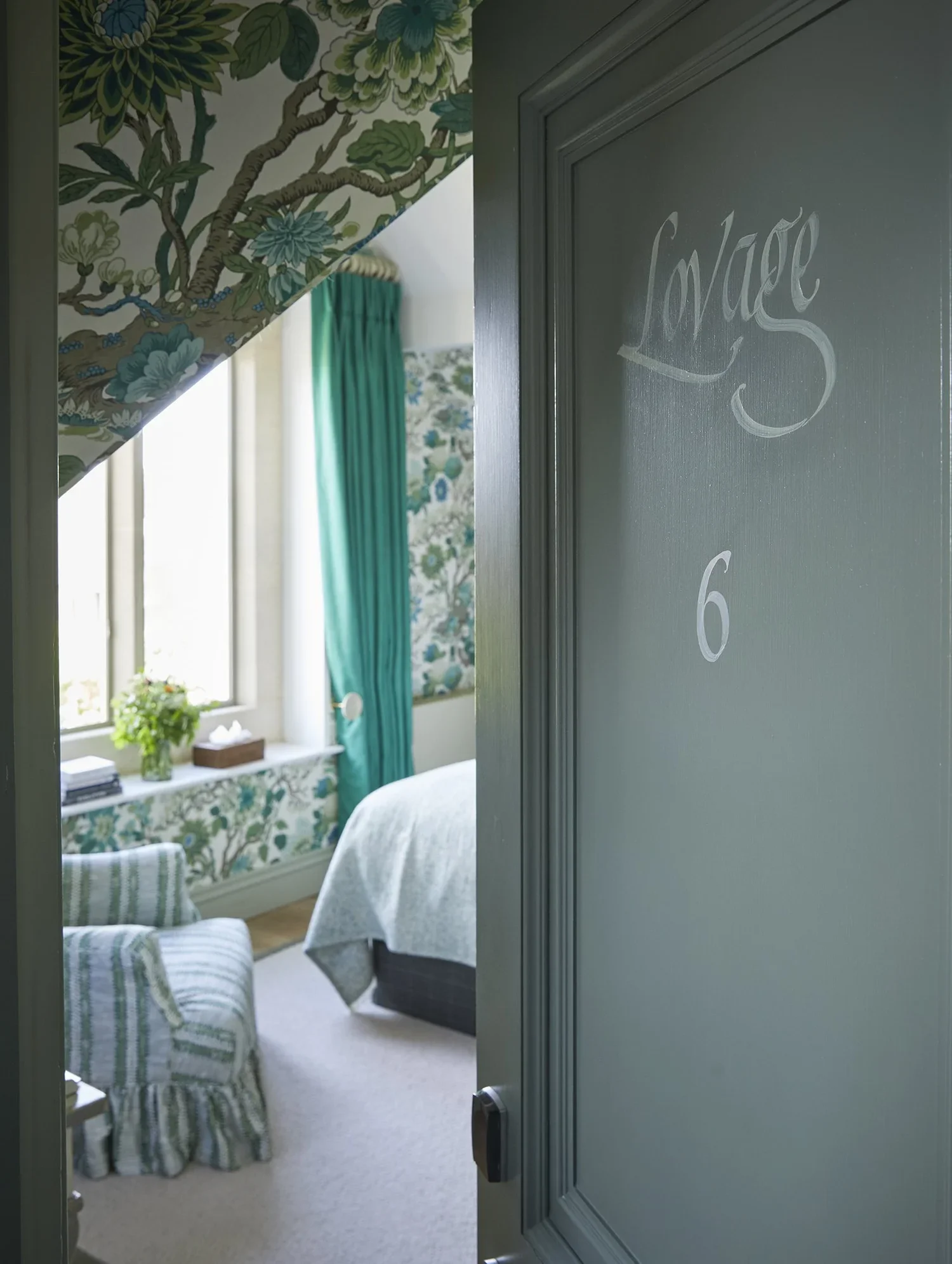
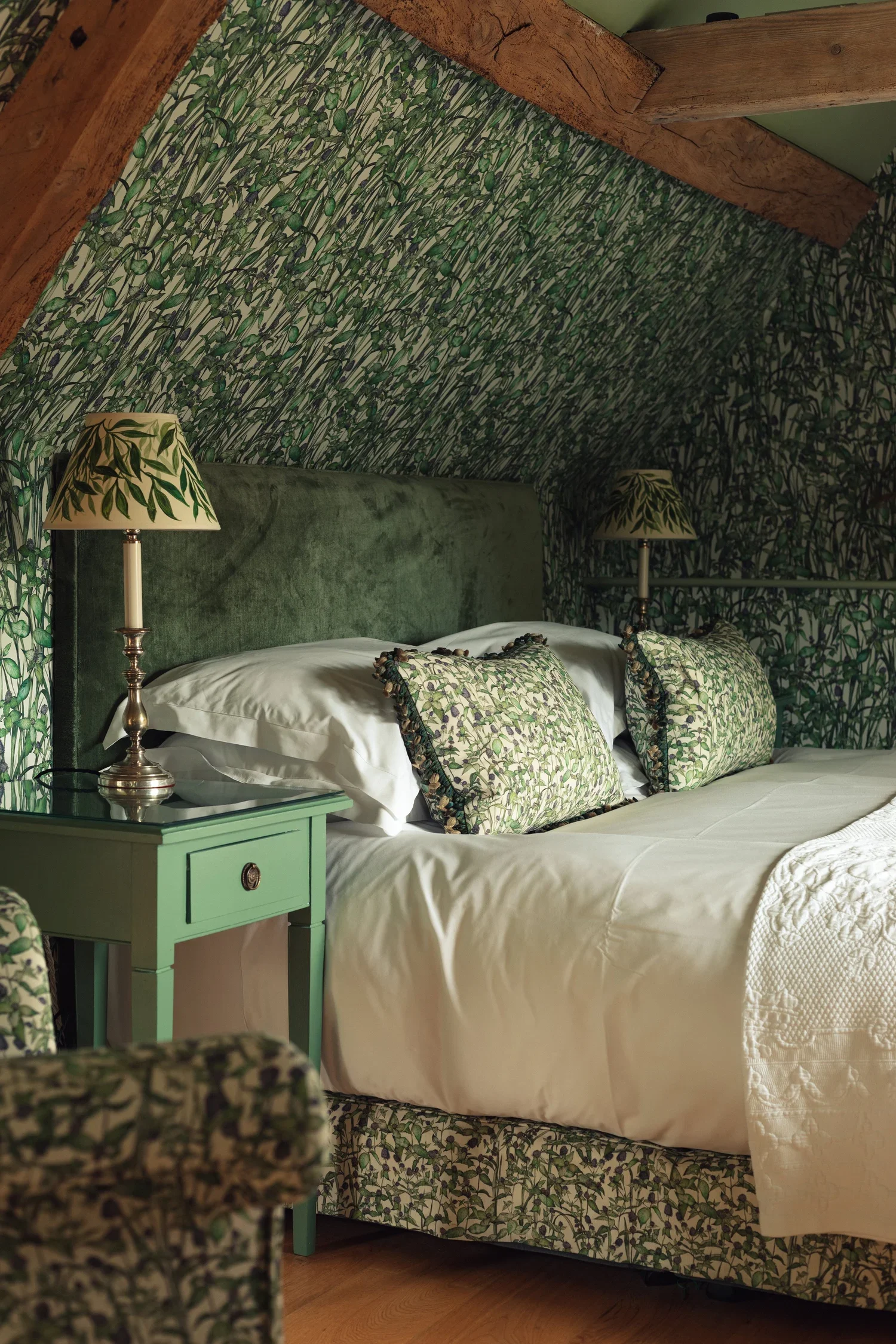
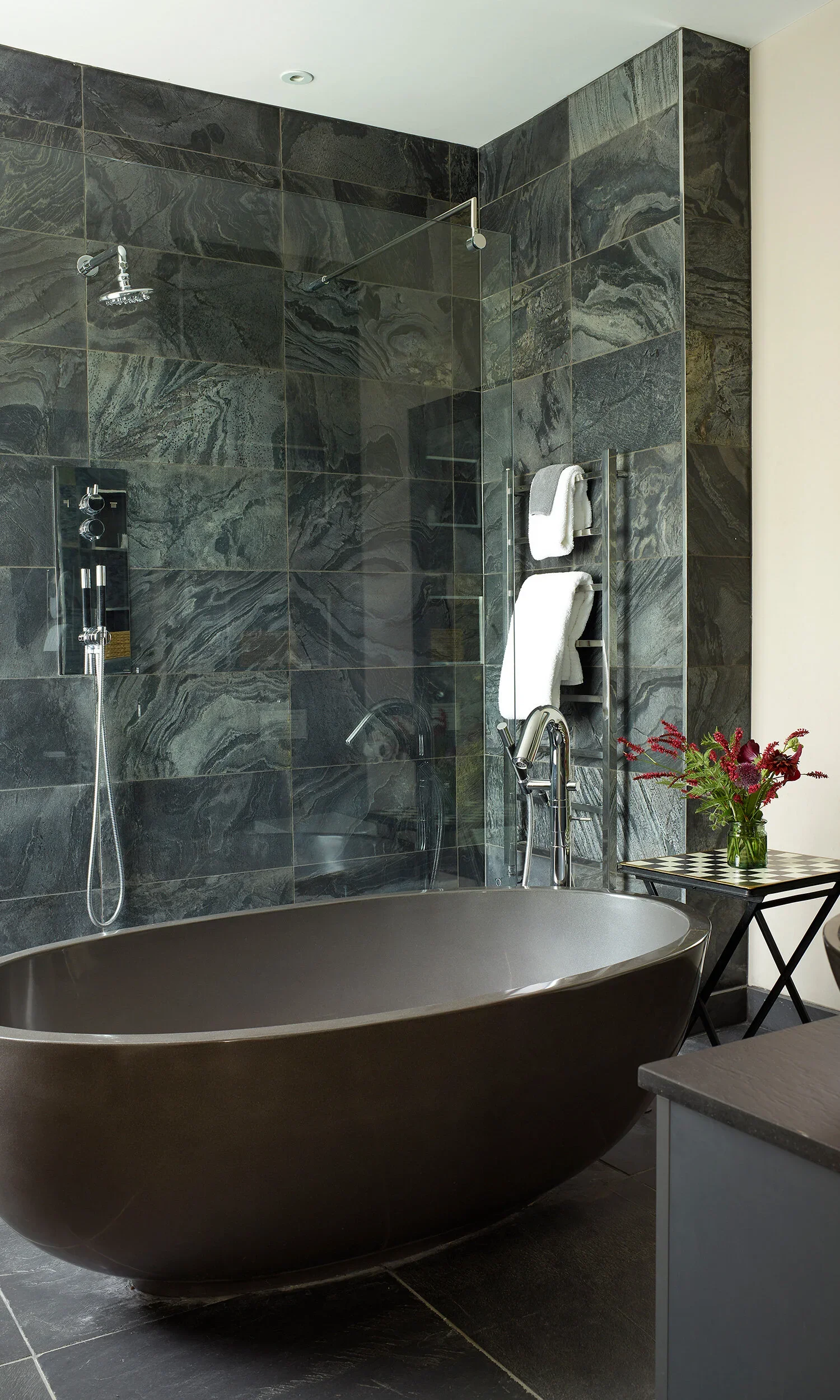
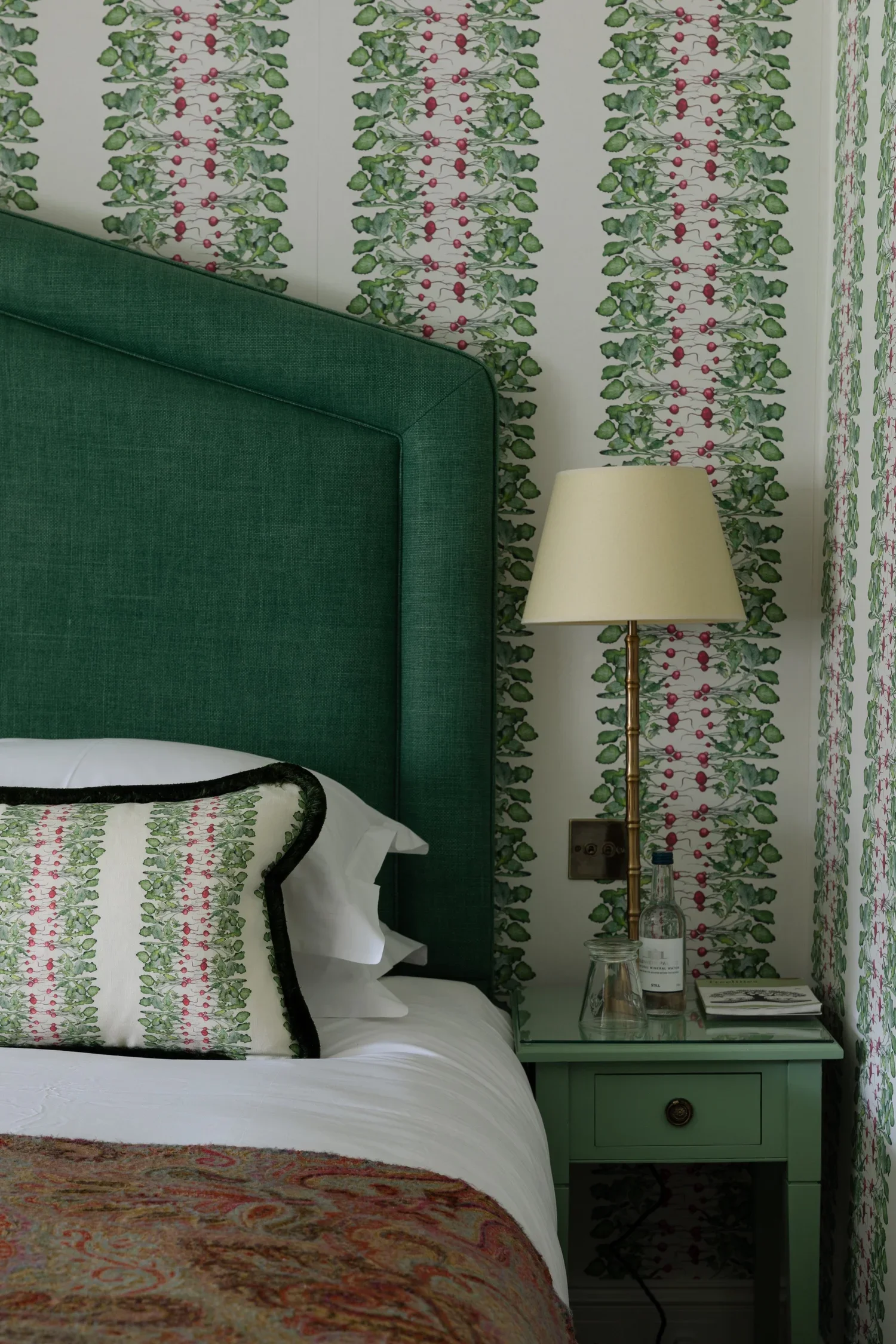
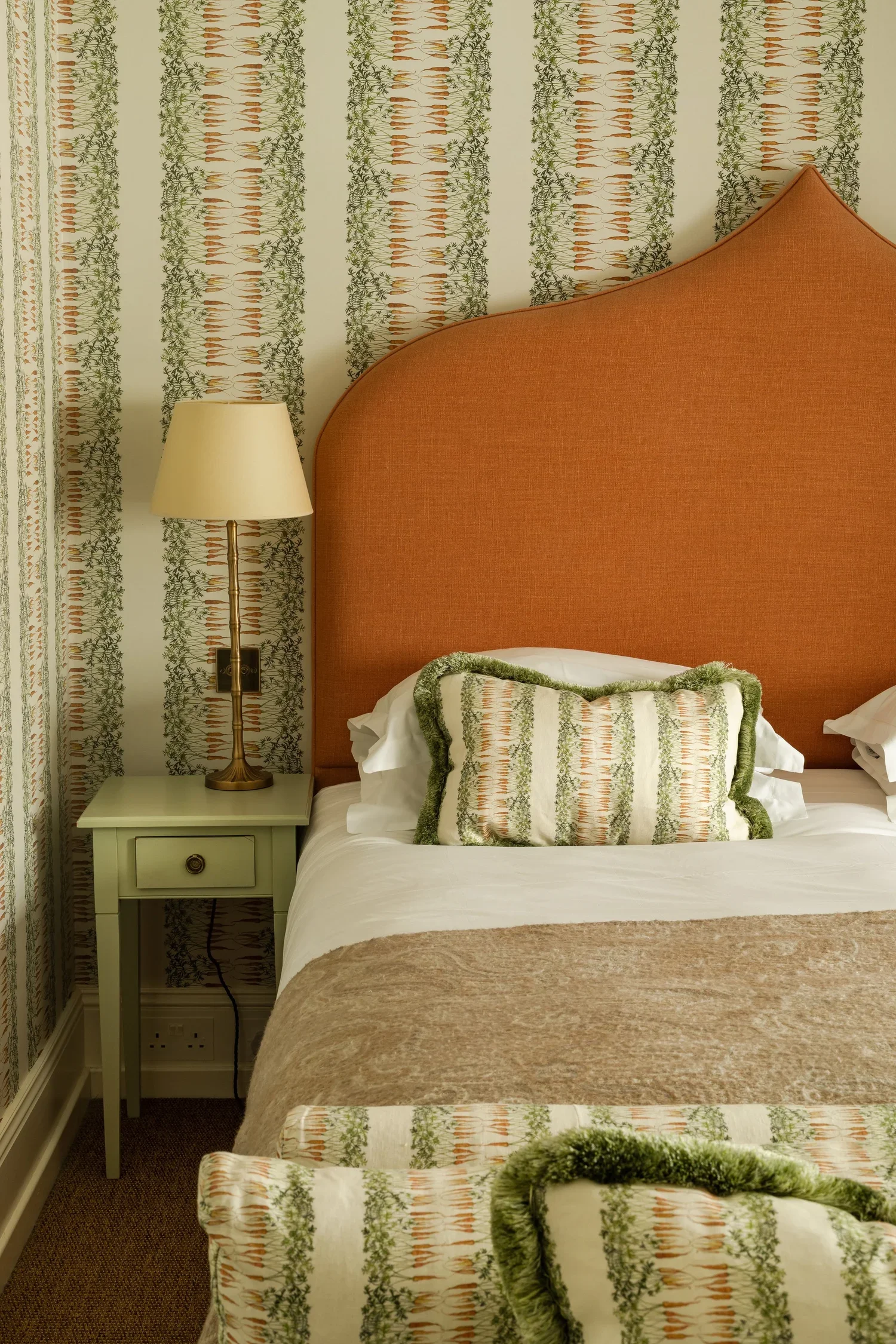
Thirty-one bedrooms are spread across the Georgian rectory, the Lodge, the Farmhouse, and a row of converted courtyard cottages, no two alike. Rooms carry reclaimed timber, Cotswold stone, and furniture sourced or restored rather than bought new, in keeping with the estate's wider restoration ethic.
Frequently Asked Questions about Thyme
Why is Thyme so special? Thyme is a working farm restored building by building into a hotel, not a hotel built to resemble one. Caryn Hibbert and her father began with derelict agricultural buildings in 2002, and the estate still runs largely on what it grows, in gardens and an orchard that supply the kitchen directly. Heat pumps and boreholes replace fossil fuel heating, the pool runs without chlorine, and food waste returns to the land as fertiliser through anaerobic digestion. The result is a countryside estate with real agricultural roots, not a countryside aesthetic applied to a new build.
What makes Thyme worth the price? A working cookery school, a farm-to-table restaurant grown almost entirely from its own gardens, and 31 rooms spread across genuinely historic buildings restored rather than built new justify the experience for guests seeking a countryside estate with real agricultural roots rather than a countryside aesthetic applied to a new build.
Where exactly is Thyme? Thyme is located in Southrop, Gloucestershire, in the Cotswolds, roughly 90 miles west of London and 20 miles from Oxford.
How is Thyme different from other Cotswolds country hotels? Where a property like Soho Farmhouse trades on a curated, membership-driven version of country life, Thyme is a working restoration of an actual farm. Its gardens, barns, and cookery school predate its identity as a hotel, and the estate remains family-run, with Caryn Hibbert's son Charlie as head chef.
Why It's Consciously Selected
Thyme is not a hotel built to resemble a farm. It is a farm that became a hotel, restored building by building rather than designed from scratch. What was falling down in 2002 is now growing food for the table twenty steps away.
It is not defined by novelty, but by the patient work of putting a working landscape back together, and letting guests stay inside the result.