
About
Most things are made to be forgotten. Worn twice, stayed in once, scrolled past before they arrive. That is not an accident. It is the logic of how most things are built and sold now.
Conscious Select is a resistance to it.
We cover fashion, travel, and design. Three categories that have been flooded, maybe more than any others, with things that perform value without containing it. Our work is the sorting. What appears here has passed that scrutiny. Not because it is perfect, nothing is, but because it is considered at every point where a different, easier choice could have been made.
Conscious does not mean flawless. It means the opposite of automatic.
Fashion is one of the most polluting industries on the planet. The second largest consumer of water globally. A significant contributor to carbon emissions, microplastic pollution, and textile waste at a scale most people never see. Overproduction is not a side effect. It is the business model. Fabric discarded by the yard, garments manufactured in quantities designed to be marked down, returned, or destroyed. The industry has mastered the language of responsibility in response to this, and for most brands the language arrived long before the practices did. What we look for is not the vocabulary. It is the evidence behind it. Named makers. Verifiable production. Certifications that require something of the brand, not just a fee. A supply chain that can be followed, not just narrated. The brands in Conscious Select are not here because they say the right things. They are here because the work holds up when you press on it.
Architecture and interior design at its best is not only something you see, but it is something you feel before you understand why. A room that has been thought through at every point. Materials that will age into something better than they started. Objects made by people who understood what they were making and why. Good design is not decoration. It is the decision to live deliberately, to inhabit spaces that earn their place in a life. Architecture that works with the land rather than against it. Interiors that honour the craft behind them. Things built to last, because the alternative is not neutral. One life, lived in spaces that make it better.
Hotels are one of the most resource-intensive things a person can choose. 75% of a hotel's environmental impact comes directly from its consumption of energy, water, and waste. A single room can consume up to 1,500 litres of water a day. Most properties do not reckon with this honestly. The miniature plastic bottles, the laundered sheets changed daily without asking, the buffets built to overflow. These are not incidental. They are structural, and they compound across millions of stays every year. Some hotels are doing something different. Not performatively, but at the level of how they are built, staffed, sourced, and run. They employ locally. They source from their communities. They understand that a destination is not a backdrop but a living thing that should be better, not diminished, for having welcomed guests.
And then there is the other thing, the thing that is harder to quantify. The quality of a great hotel that stays with you after you leave. The attention that felt personal without being performed. The detail that someone thought about before you arrived. The sense of being held by a place. That level of excellence, when it is real, changes what you think hospitality can be. It raises a standard you carry everywhere after. The hotels here are chosen for both things. What they give the world, and what they give you.
One life. Fill it well.
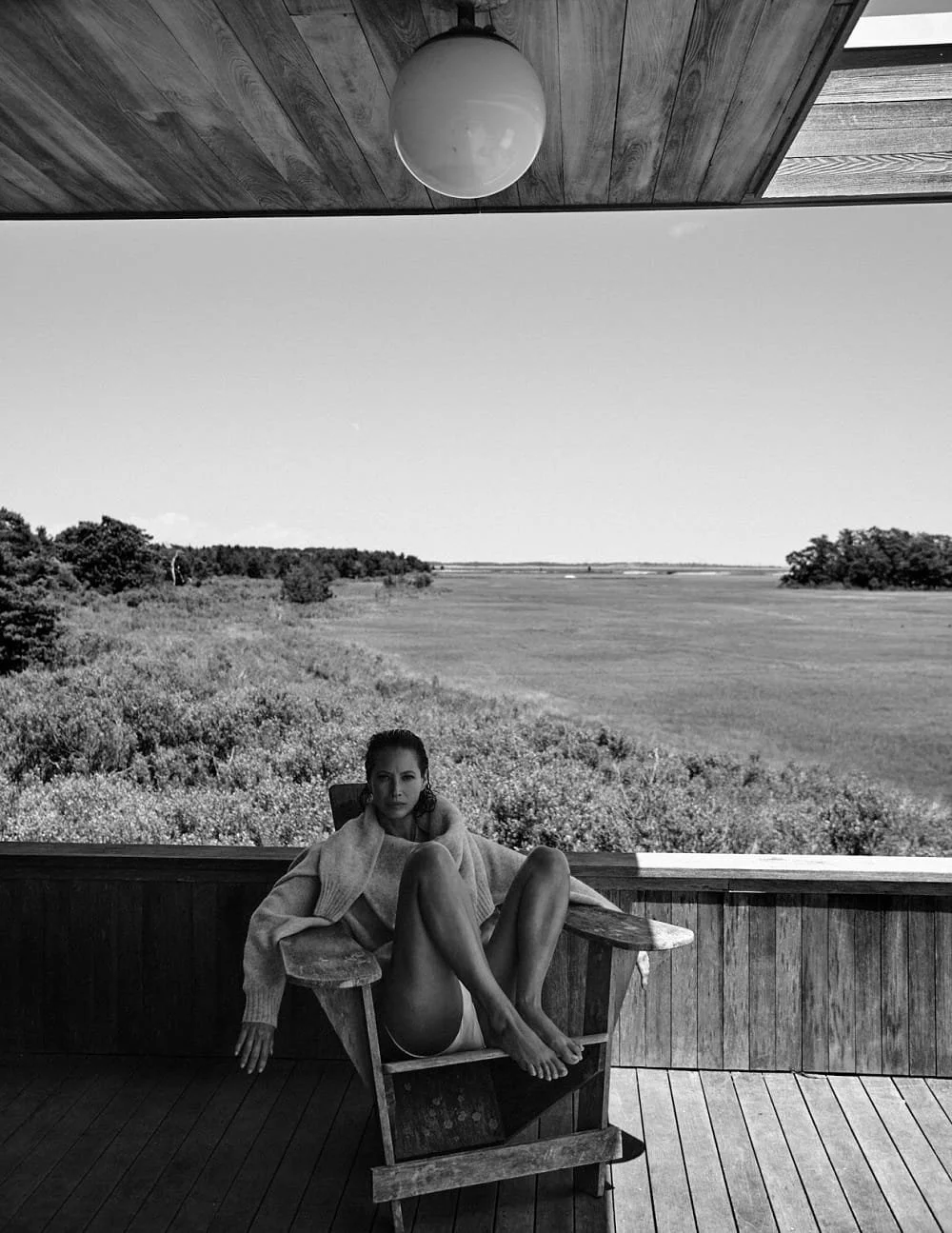
Christy Turlington for Vogue Poland, September 2018, by Chris Colls. Styled by Julie Pelipas.