
Castello di Castelfalfi | Montaione, Tuscany, Italy
Hilltop Elegance Meets Tuscan Stewardship: Conscious Select × Castello di Castelfalfi
✦ Personally experienced by the CS team
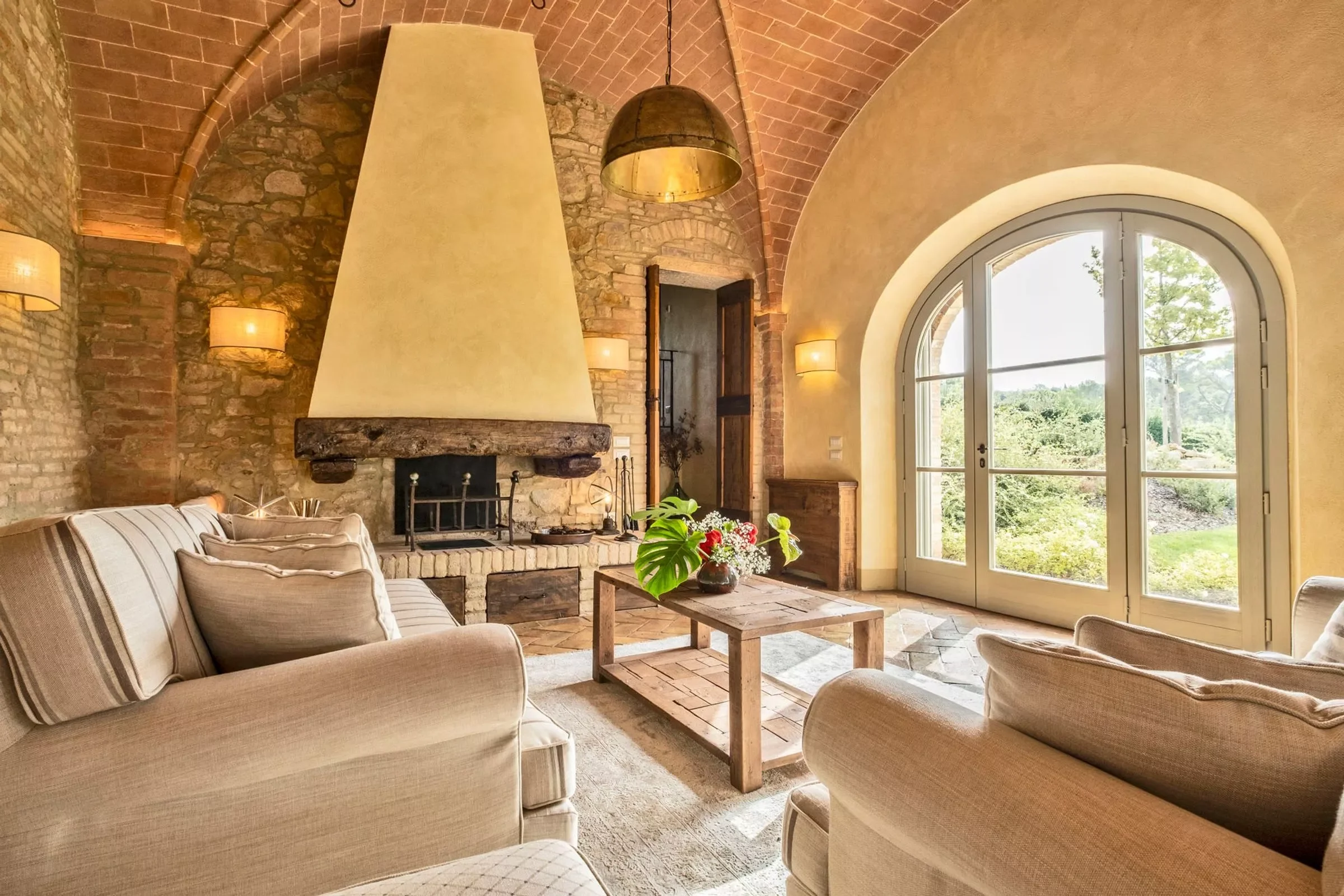
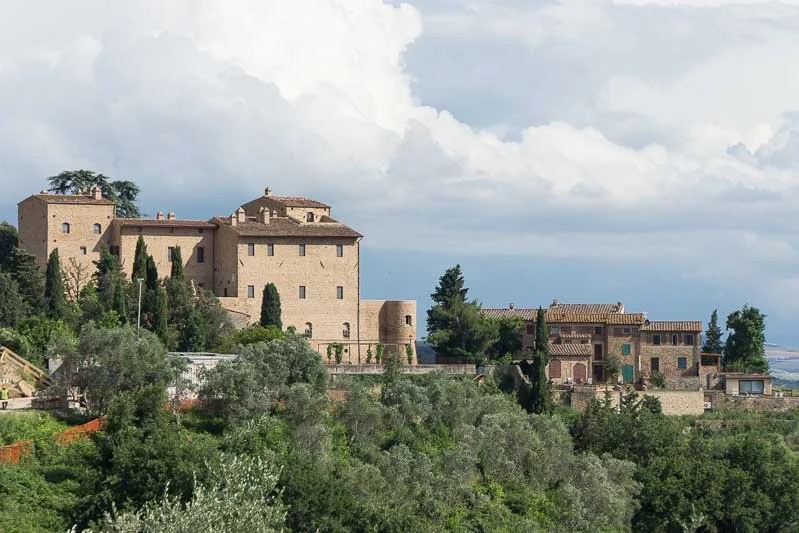
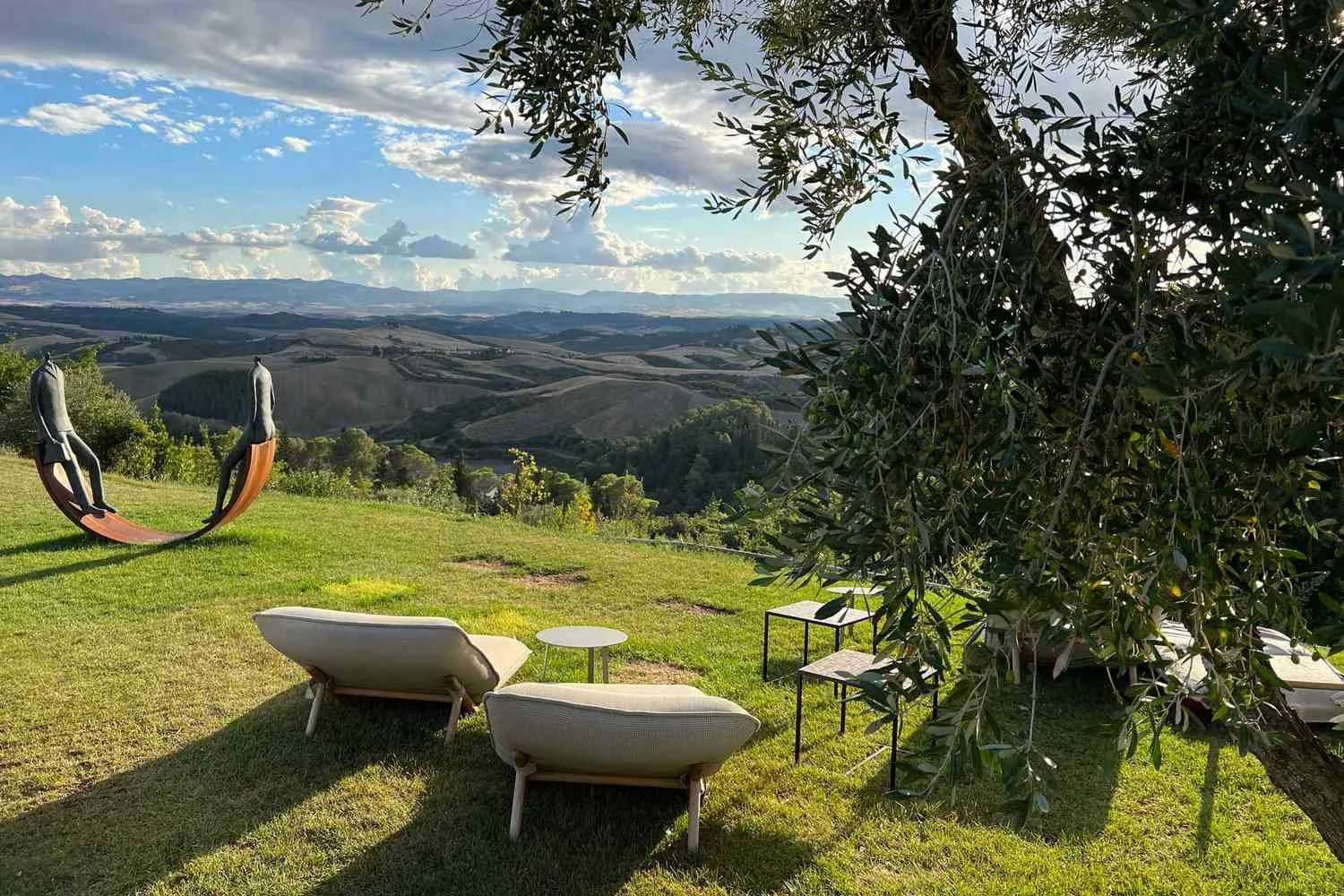
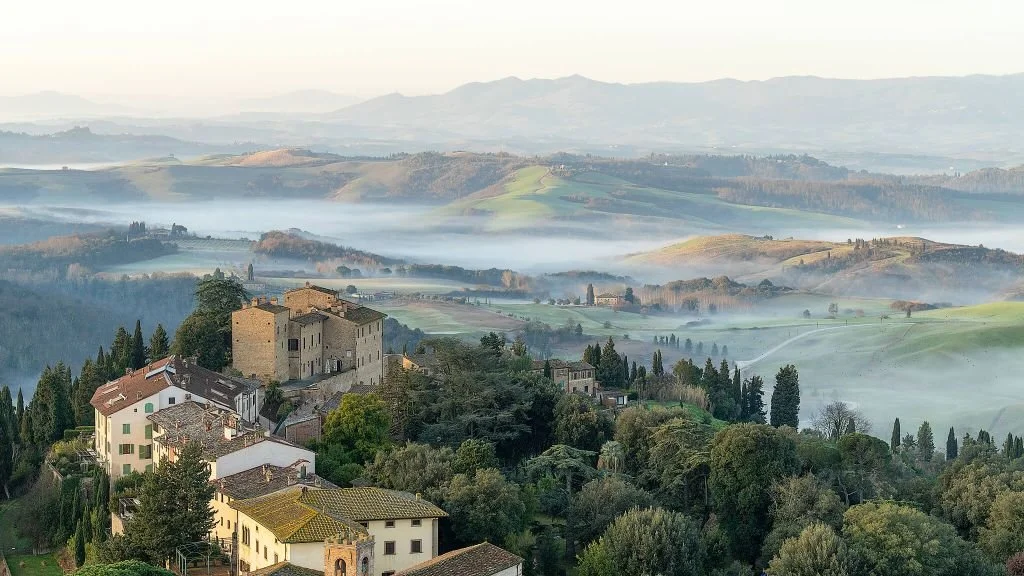
Atop 2,700 acres of vineyards, olive groves, and ancient woodland, Castello di Castelfalfi is a borgo reborn. Once a medieval fortress, later a Medici estate, then abandoned for decades — it has been restored with reverence. Stone arches and terracotta floors now frame Michelin-level dining, vineyard-view pools, and suites that carry the full character of this particular corner of Tuscany.
Here, five-star luxury does not eclipse its setting. It celebrates and protects it.
Why Castello di Castelfalfi is One of Italy's Most Consciously Considered Luxury Hotels: CS Badges


Sourced from Place | The estate produces everything it can from its own land: eight wine labels from 25 hectares of organic vineyards, IGP extra-virgin olive oil from 10,000 olive trees, honey from on-site hives, and gin distilled from wild juniper berries harvested from the surrounding forest. Zero-kilometre ingredients supply all seven restaurants. Restoration of the borgo used traditional materials throughout — local stone, timber, terracotta — with green building principles embedded in every project. To stay here is to eat, drink, and sleep Tuscany in the most literal sense.
25 hectares organic vineyards · 10,000 olive trees · estate honey, wine, olive oil, and spirits · zero-kilometre restaurants · traditional materials restoration throughout
Restorative | Castelfalfi's story is restoration in its fullest meaning. An entire medieval village — abandoned since the 1960s — has been brought back to working life: buildings rebuilt, an ancient church rescued with its frescoes being carefully preserved, and the surrounding agricultural land returned to organic cultivation using regenerative practices that rebuild soil health and biodiversity. The estate is not merely preserved. It is actively healing.
Medieval borgo restored from abandonment · ancient church fresco preservation programme · regenerative organic farming rebuilding soil biodiversity · estate brought back to working agricultural life
Community Woven In | The revival of Castelfalfi is inseparable from the revival of Montaione. Local hiring is fundamental to the estate's operation. Tuscan craftspeople restore the stonework and wood interiors. Nearby farmers and winemakers shape the culinary experience. The borgo's shops are restricted to locals from the Montaione comune — a deliberate policy ensuring that the village belongs to its community, not just its guests. The borgo thrives not in isolation, but as part of a wider Tuscan cultural ecosystem.
Local hiring throughout · Montaione commune shop policy · Tuscan craftspeople and artisans · local farmers and winemakers · art gallery partnership with regional artists
Leave No Trace | Castelfalfi's operational sustainability credentials are among the most complete of any luxury hotel we have reviewed. 64% of energy comes from renewable sources — a wood biomass plant and photovoltaic systems. 96% of water is self-supplied through rainwater collection and purification, with artificial lakes irrigating vineyards and the golf course. Farming across the entire estate is 100% organic, certified under European and Italian standards. Single-use plastics are eliminated. Waste separation, recycling, and bio-filter food waste recovery systems operate throughout. The golf course holds GEO certification. FSC-certified paper is used across all materials.
64% renewable energy · 96% water self-sufficiency · 100% organic certified farming · GEO Certified Golf Club · zero single-use plastics · bio-filter food waste recovery · FSC-certified materials
The Experience at Castello di Castelfalfi, Tuscany
Your day begins with morning light spilling across vineyard terraces, espresso in the borgo's courtyard as the medieval village awakens around you. After breakfast — a truffle hunt with a local guide, perhaps, or a horseback ride through lavender-lined hills, or simply a walk through the forest where the gin's juniper berries grow wild.
Afternoons invite stillness: floating in the infinity pool with valley views, or surrendering to grape-seed scrubs and olive oil massages at the RAKxa Wellness Spa — over 10,000 square feet of pools, saunas, and hammams, with treatments drawn from Mediterranean botanicals. Yoga among the olive groves, vineyard walks, and forest hikes extend wellness into the landscape itself.
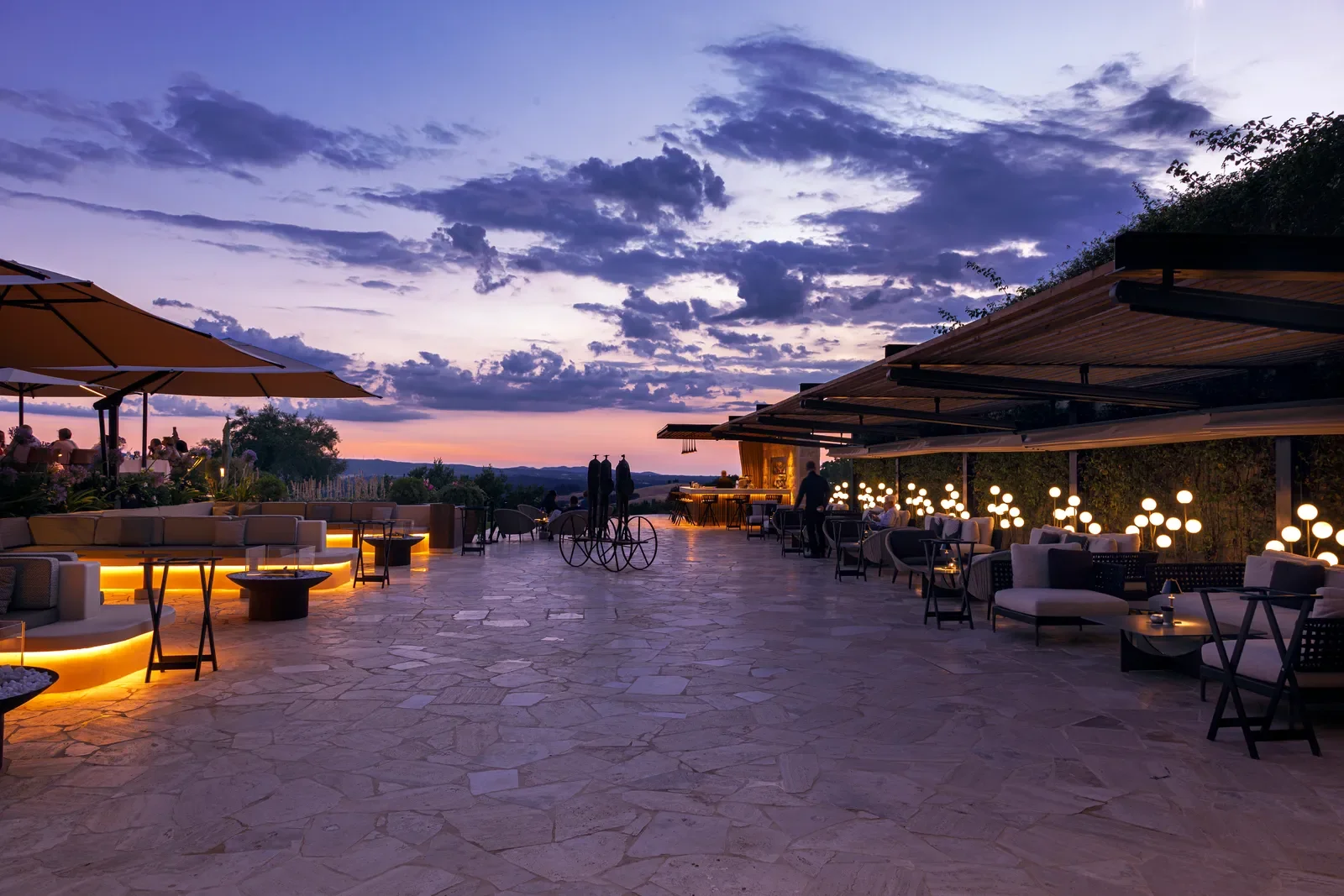
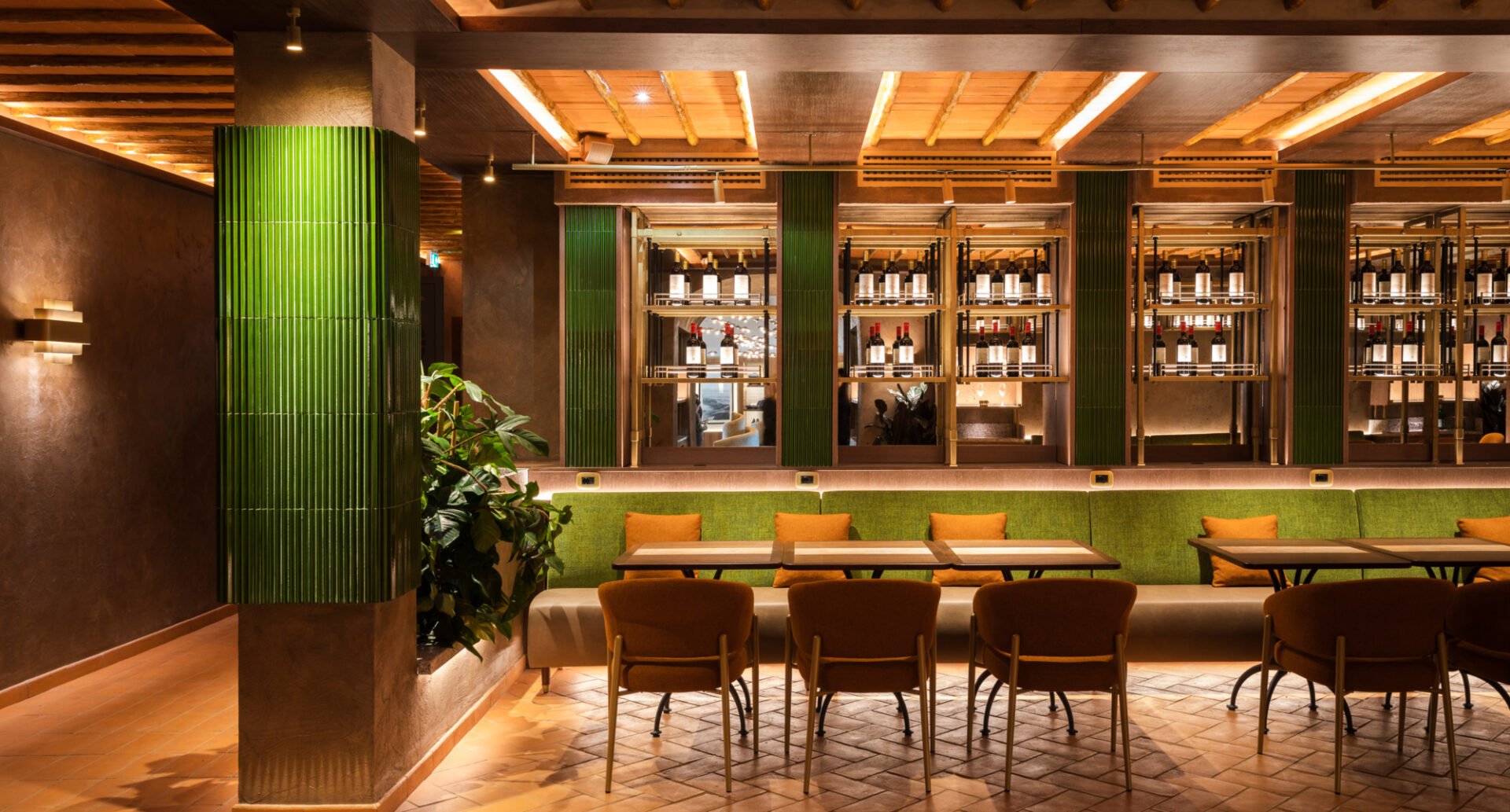
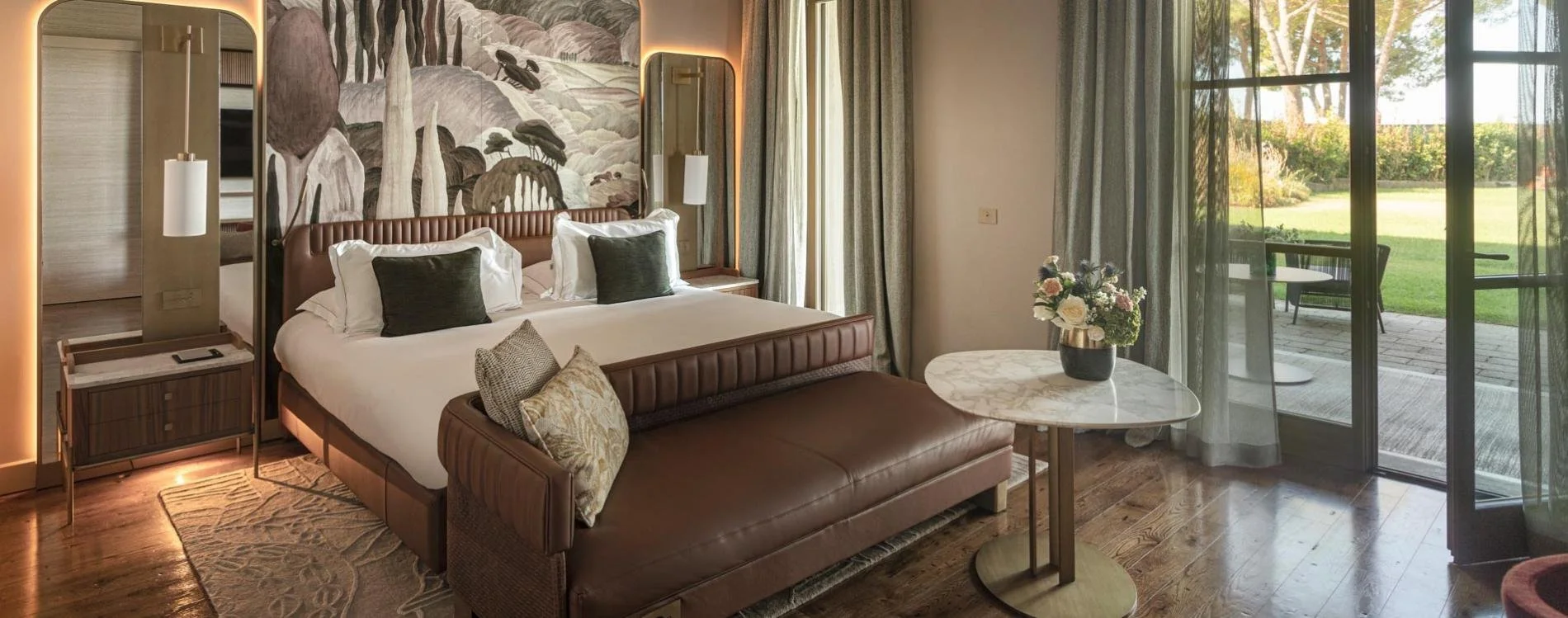
As evening approaches, candlelit dinners in vaulted dining rooms — wild boar ragù, handmade pasta, glasses of Chianti from the estate's own vines. At night, stars scatter across the Tuscan sky, unpolluted and brilliant. In your suite, frescoed walls and antique furnishings hold the quiet weight of centuries.
The Estate
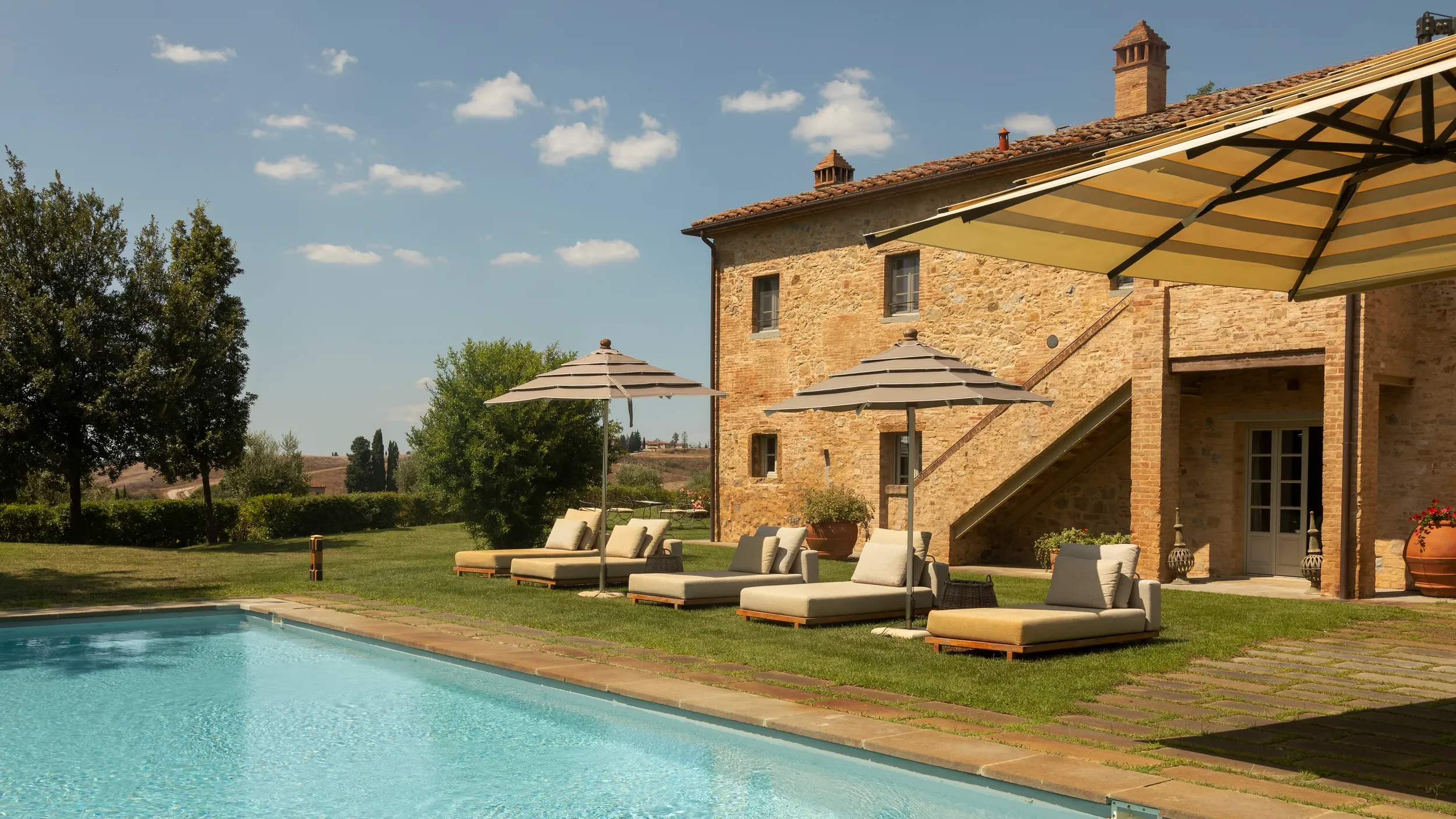
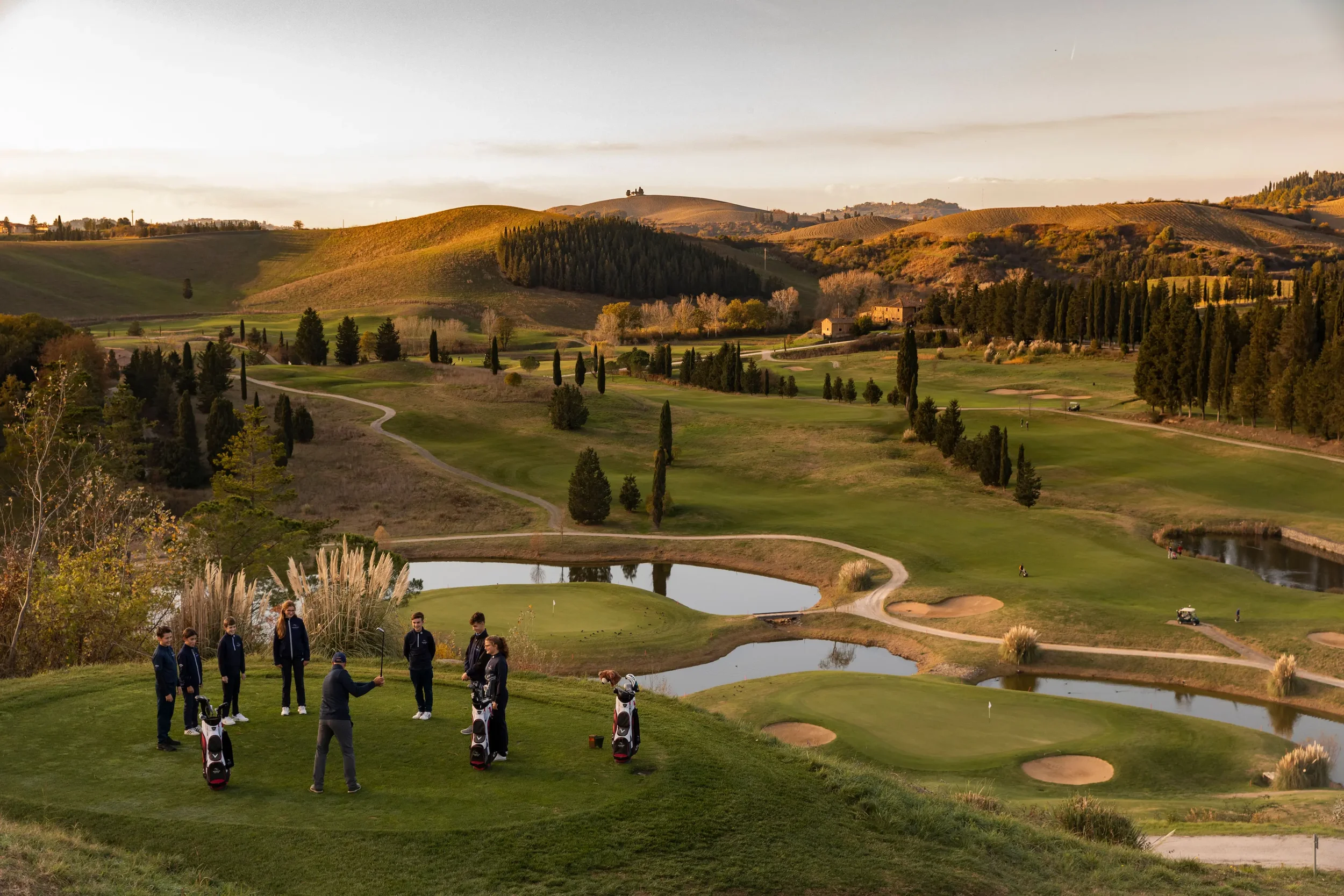
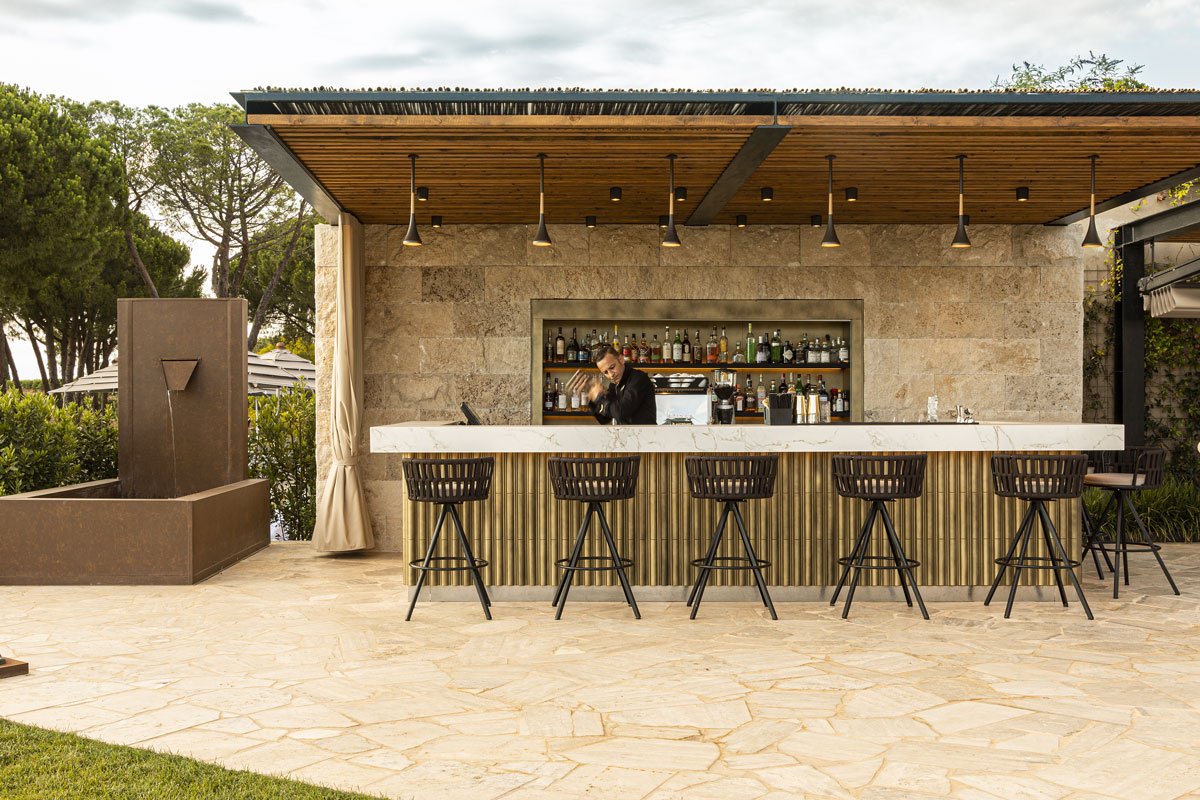
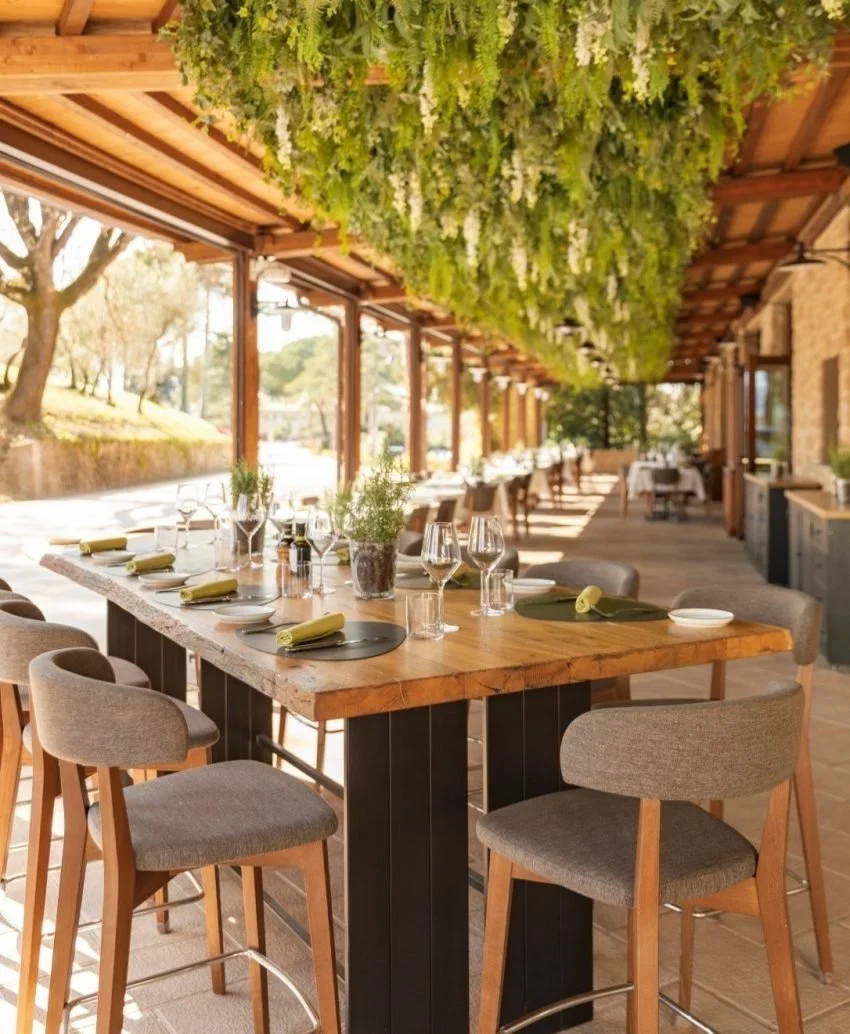
146 rooms and suites across two buildings — the main five-star hotel and a restored 19th-century tobacco warehouse, La Tabaccaia, directly across the road. Seven restaurants ranging from casual to formal, anchored by Michelin-level cuisine rooted entirely in estate and regional produce. Three pools. The largest golf course in Tuscany at 27 holes. A wine shop, olive oil tasting room, cooking school, adventure park, and falconry. An art gallery in the restored cellars.
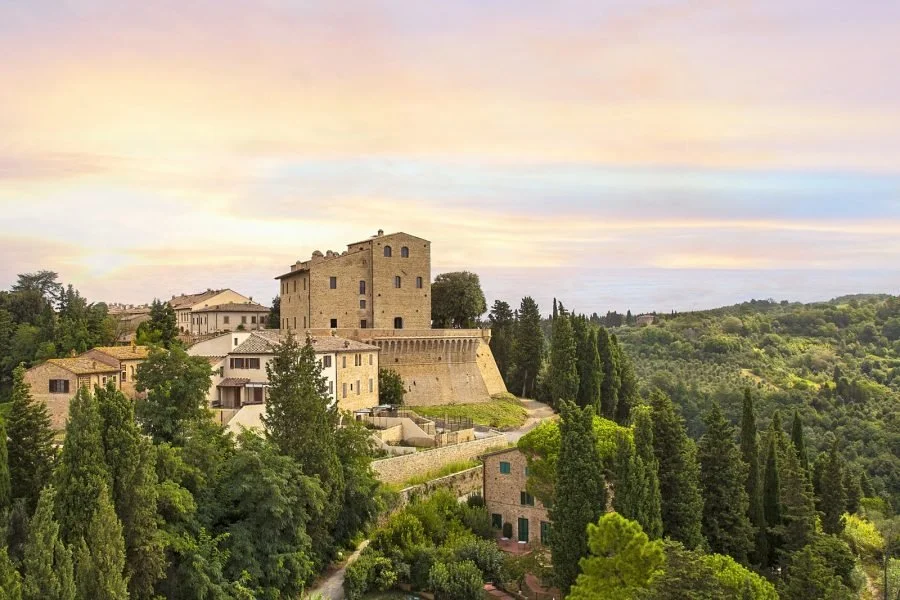
The medieval village at its heart remains a working borgo — with its 13th-century castle, ancient church, and stone houses — not a stage set, but a living place.
Frequently Asked Questions about Castello di Castelfalfi
Is Castello di Castelfalfi sustainable? It is one of the most rigorously sustainable luxury hotels in Italy. The estate operates on 64% renewable energy, achieves 96% water self-sufficiency through rainwater collection, farms 100% organically across all 2,700 acres, has eliminated single-use plastics entirely, and holds GEO certification for its golf course. All farming is certified under European and Italian organic standards.
Where exactly is Castello di Castelfalfi? The estate is located in Montaione, in the heart of Tuscany — 52 kilometres from Pisa airport, 67 kilometres from Florence airport, and 23 kilometres from San Gimignano. It sits between Florence, Pisa, Siena, and Volterra.
What can you do at Castelfalfi? The estate offers truffle hunting, wine and olive oil tastings, cooking classes, horseback riding, guided hikes, e-bike tours, yoga, falconry, golf on the largest course in Tuscany, spa treatments rooted in Mediterranean botanicals, and visits to the working vineyards, cellars, and olive groves. Experiences are designed to connect guests directly to the land.
What is the history of Castelfalfi? The borgo's roots go back to around 700 AD, with roots as a Lombard lookout post. It became a Medici estate in the 15th century and was abandoned in the 1960s when its farming community dispersed. A decade-long restoration programme beginning in 2007 brought the village back to life — its buildings, church, farmland, and community — as it stands today.
Why It's Consciously Selected
Castello di Castelfalfi proves that five-star hospitality and genuine stewardship can be one and the same. Luxury here is expressed not through excess but through terroir, tradition, and care for the land that defines it. A retreat that preserves history, invests in its community, and actively restores what time had taken.
To stay here is to step into Tuscany itself — elevated, elegant, and enduring.