The Alpine Summer: The Italian Dolomites
By July, the ski lifts in the Dolomites are running for hikers instead of skiers, and the valleys smell like wild thyme instead of wax. The same rifugio that served vin brûlé to skiers in January is pouring cold beer to hikers in shorts, at a table with a view that took six months to be free of snow. Search interest in "alpine summer" is up 82 percent this year, and this is the part of the mountains most people never see.
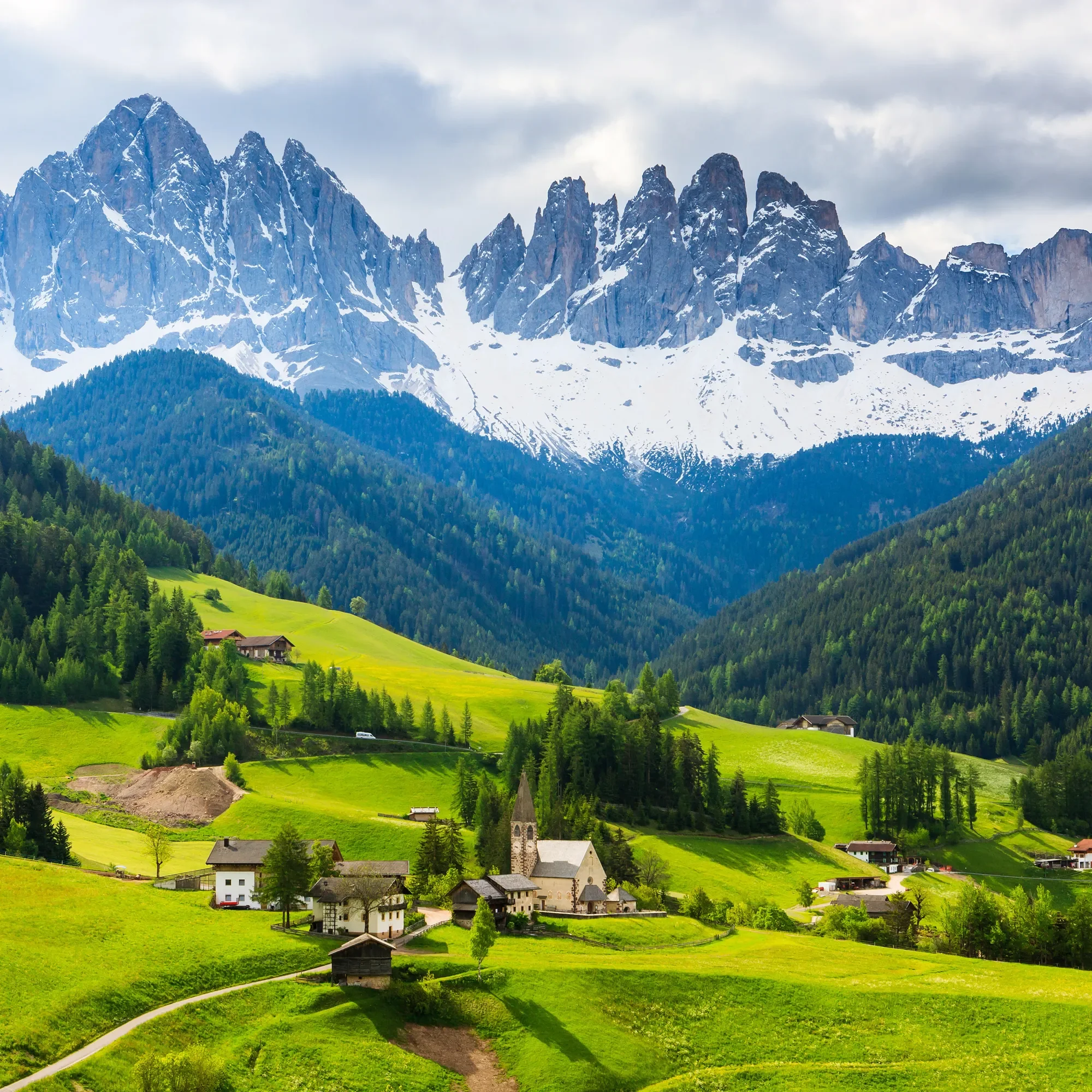
The Dolomites turn a different color depending on the hour. At dawn, the peaks catch the first light and burn a shade of rose the Italians call enrosadira, before fading back to pale grey by breakfast. Four bases cover the range properly, and each one asks something different of the person staying there.
Cortina d’Ampezzo
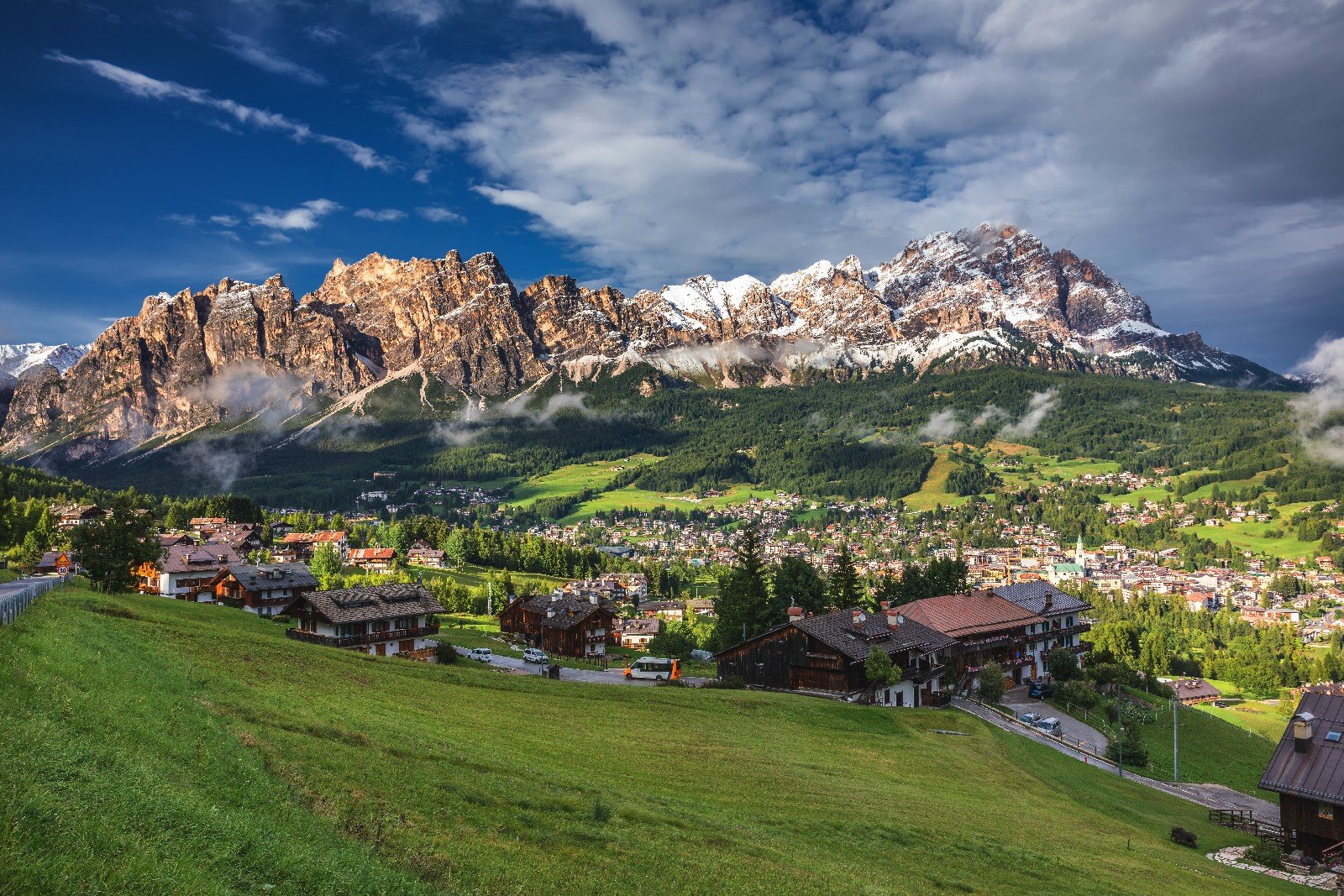
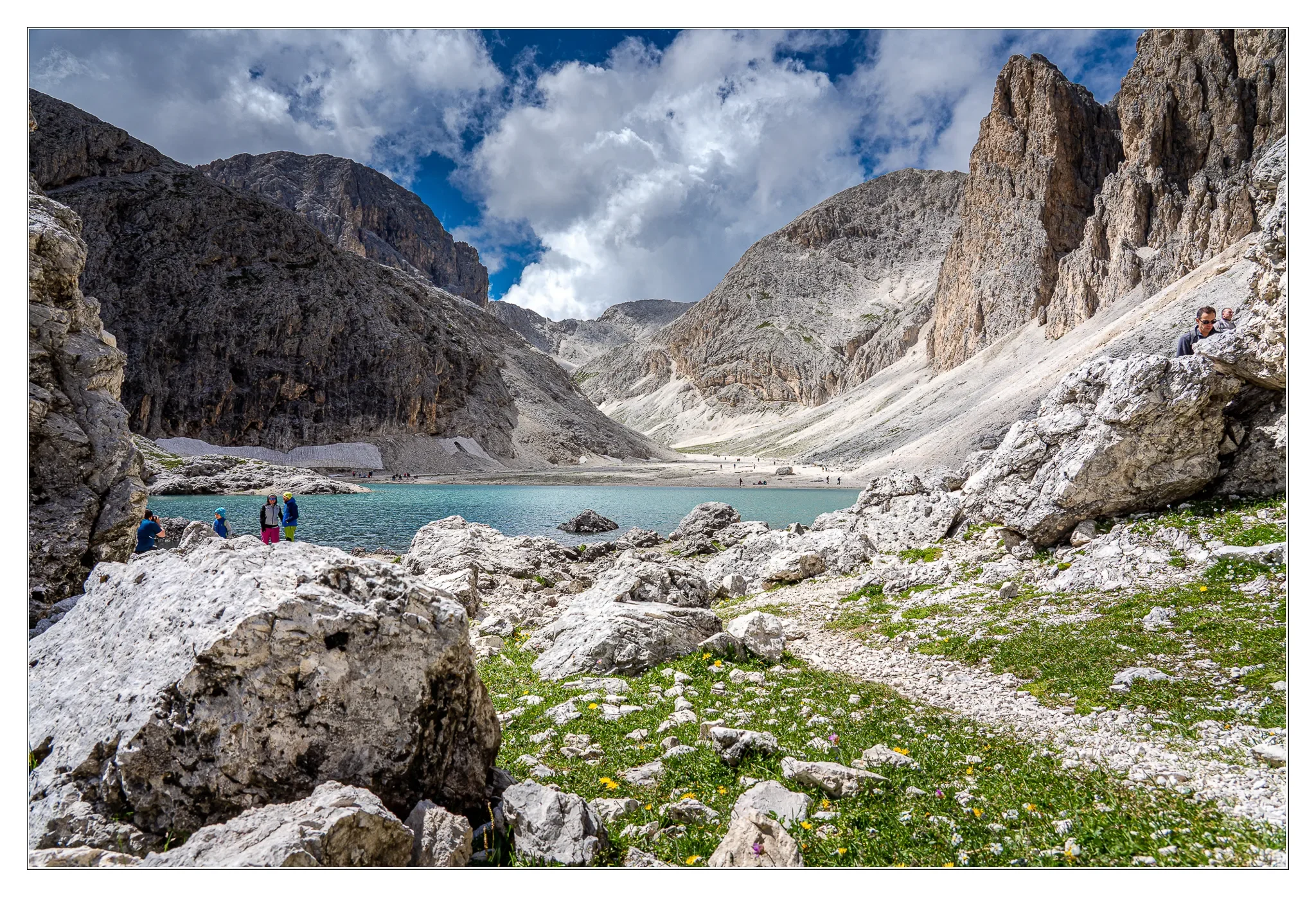
Cortina is the sharpened version, polished since co-hosting the 2026 Winter Olympics, church bells over a pedestrian center full of boutiques. The hiking here is the range's most dramatic: Lago di Sorapis's turquoise water at the end of a cabled scramble, the three vertical fingers of Tre Cime di Lavaredo, and at Cinque Torri, a trail that runs directly through WWI trenches still cut into the rock. Even the local dish keeps a quiet secret: casunziei switches from beetroot in winter to spinach and ricotta by summer, and most visitors never notice the swap.
Stay.
Rosapetra Spa Resort, just outside town, takes its name from the enrosadira itself, the pink light the peaks catch at dawn, and it's the closest thing Cortina has to that phenomenon built into a hotel: fir wood and stone, 26 rooms, and a design collaboration with the Italian furniture house Henge.
Alta Badia
Further west, Alta Badia trades polish for altitude and a language most travelers have never heard: Ladin, the region's own Romance tongue, still on every road sign. Come summer, old farmers' huts across the valley turn into informal kitchens for a few months, the same instinct that runs through the valley's Michelin tables, minus the tasting menu.
Stay.
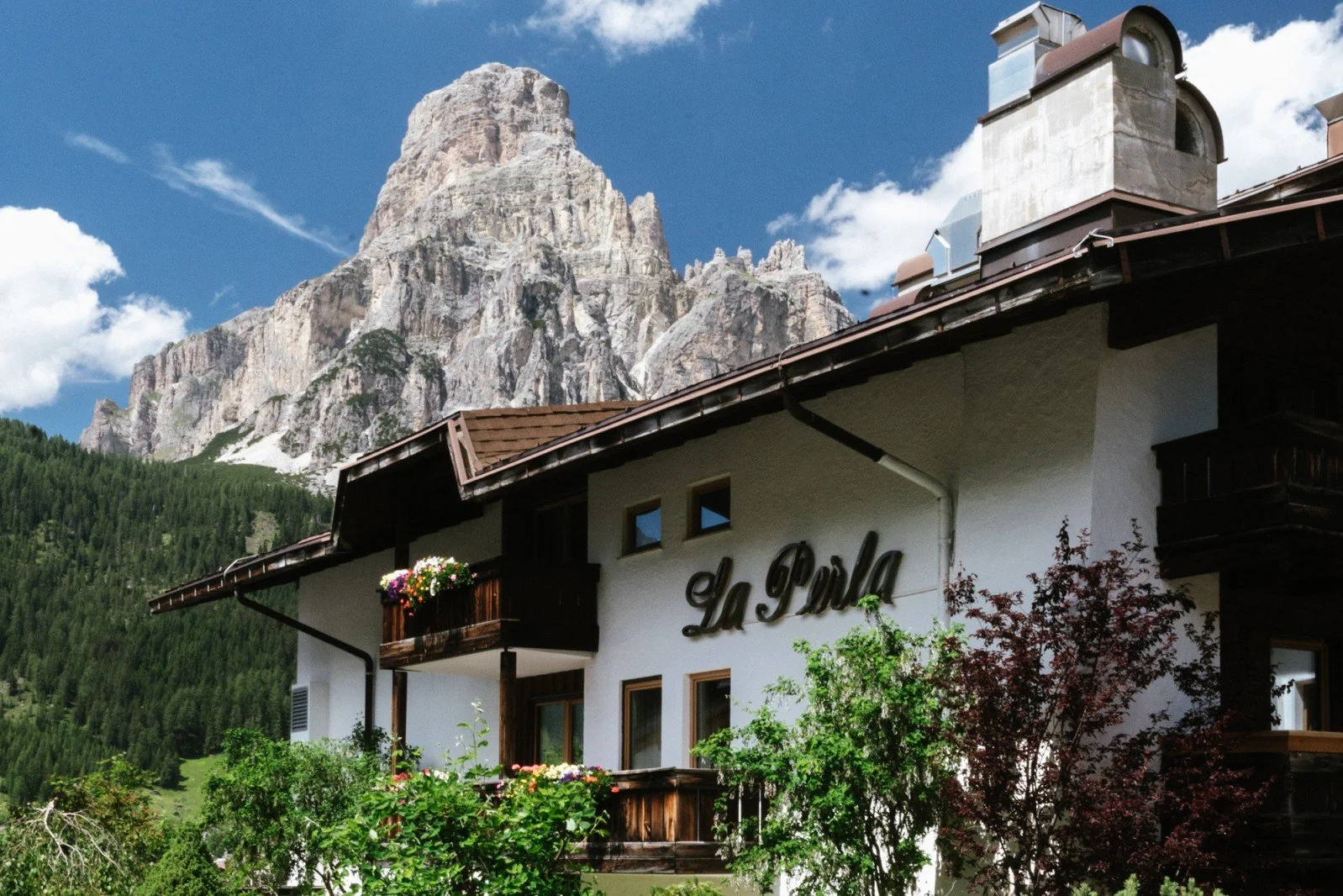
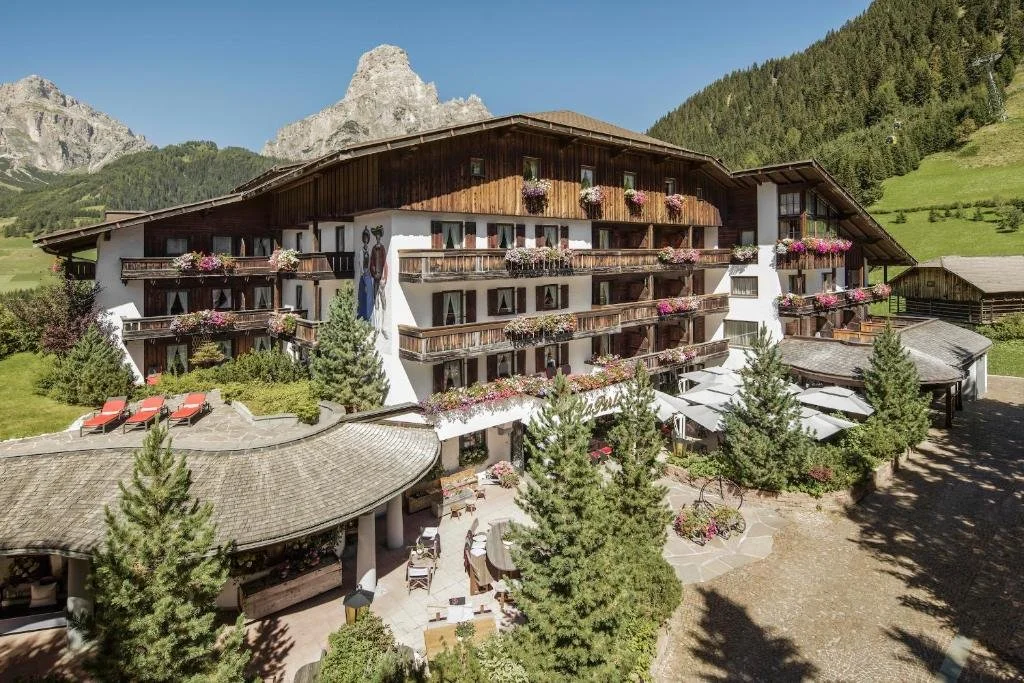
Aman Rosa Alpina, a family-run inn in San Cassiano since 1939, reopened in 2025 as a full Aman property after a two-year rebuild that kept the original chalet bones and rebuilt everything inside them in stone and wood cut for the job. Its restaurant, St. Hubertus, holds two Michelin stars. Read more on Rosa Aplina here. Hotel La Perla, a short drive away in Corvara and family run for just as long, is quieter about it, wood-paneled and wool-blanketed in a way that feels handed down rather than styled. Read more on La Perla here.
Val Gardena and Alpe di Siusi
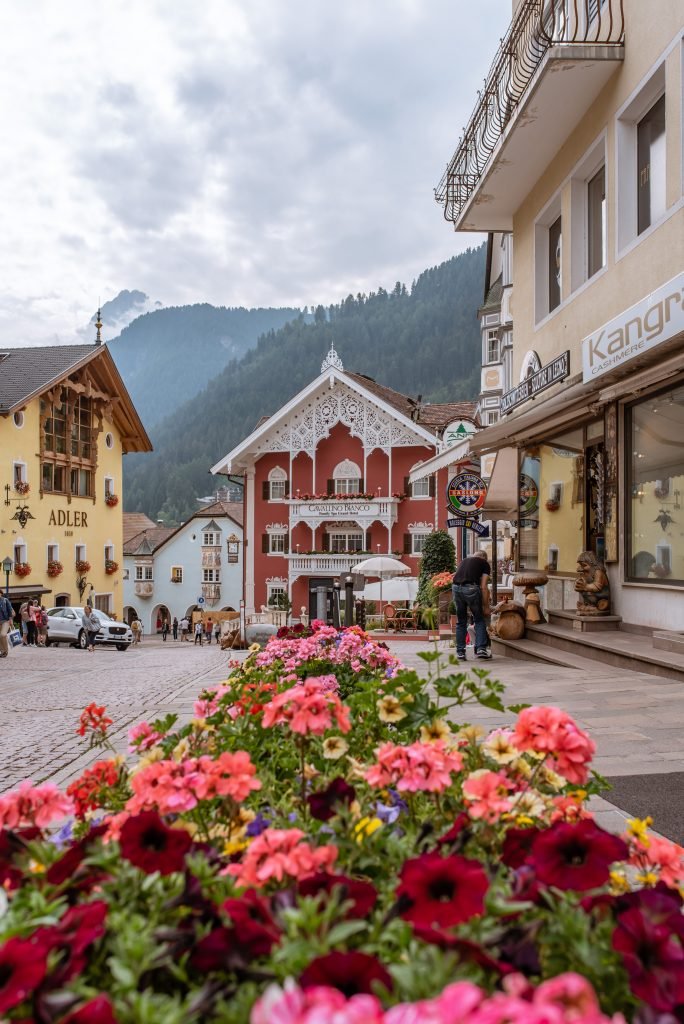
The gentlest terrain, the longest hiking season, and the easiest base without a car. Ortisei has been the center of Val Gardena's woodcarving tradition for over 400 years, since farming families with nothing to do through the winters started carving to sell at market. It never stopped. The workshops are still there, still family run, still doing it by hand.
Stay.
Schgaguler Hotel, in nearby Castelrotto, is the strongest architectural statement in this half of the range: a minimalist grid facade by Peter Pichler, a Zaha Hadid alum, wrapped around chestnut wood and merino wool inside, still run by the family that built it.
Plose, Above Bressanone
The least expected of the four, a working forest above the medieval town of Bressanone, nearly 6,000 feet up, chosen by the Austrian monarchy in 1912 as the site for a tuberculosis sanatorium for exactly the reasons people are rediscovering it now: pure spring water, clean air, a mild sunny microclimate at altitude.
STAY.
FORESTIS is that sanatorium, abandoned after WWI and rebuilt over eight years into a 62-suite hotel that opened in 2020, three glass-and-steel towers shaped like tree trunks added onto the original wooden building. Its real signature isn’t a treatment, it’s dinner: YERA, the property’s cave restaurant, asks guests to leave their phones behind and walks them in by torchlight to a 17-seat room built from tree trunks around a single open fire.
Building the Trip
A useful rule for a first trip: pick one base for every two to three days rather than moving nightly. The driving between valleys is slow and scenic, which is part of the appeal, but it eats into hiking time if overdone. Cortina and Cinque Torri for the range's most dramatic hikes and its WWI history, Alta Badia for the valley that takes its table as seriously as its trails, Val Gardena and Alpe di Siusi for the gentlest terrain and four centuries of woodcarving, Plose for the version of the Dolomites built around forest and altitude rather than a town at all.
The above is free to read. What follows on Substack continues for paid subscribers: how to actually dress for alpine summer, clothing links and how to bring the feeling home with interior pieces and links once the trip ends.