NIHI Sumba | Sumba Island, Indonesia
Wilderness, Soul, and Five-Star Splendor: Conscious Select × NIHI Sumba
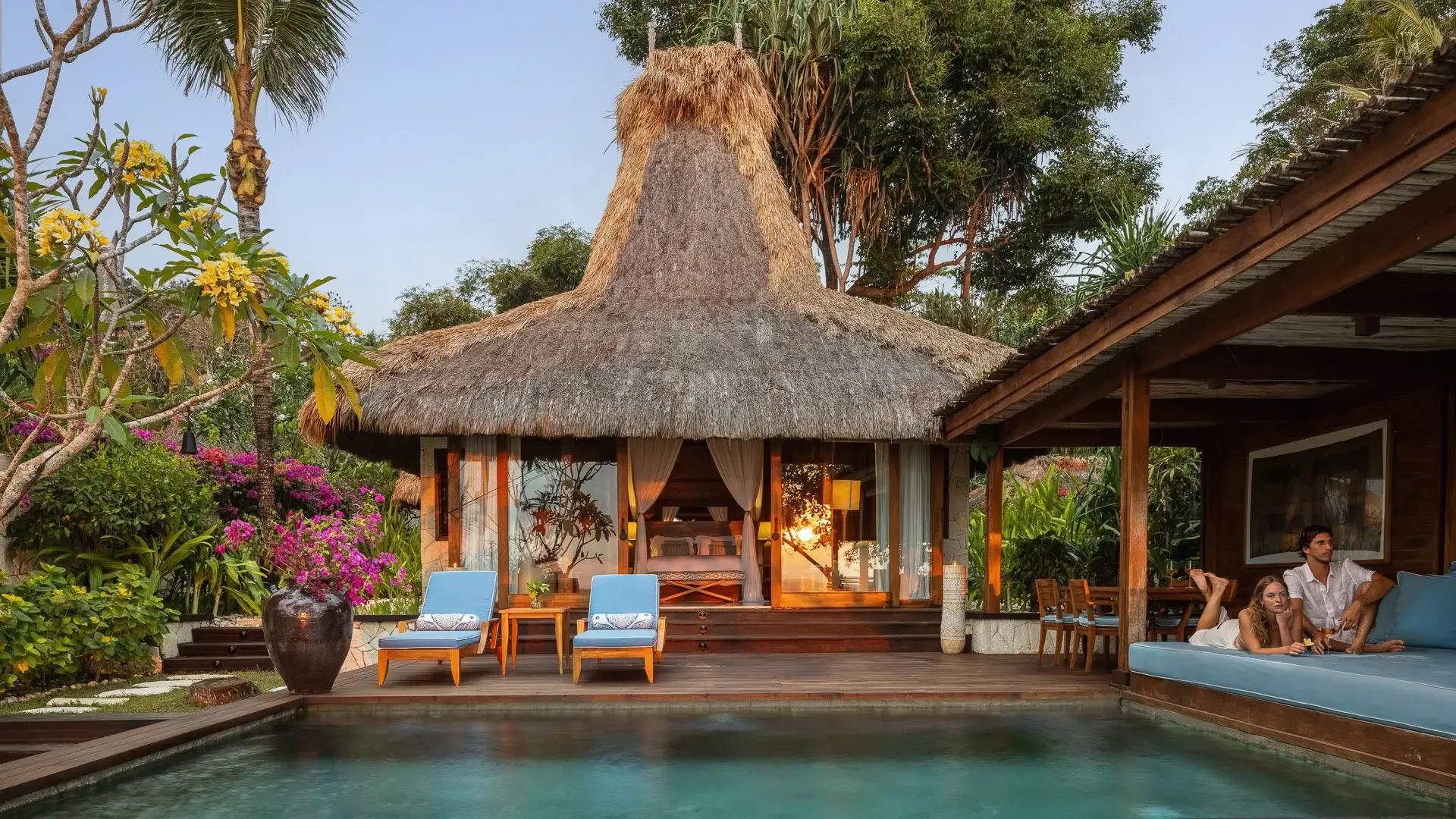
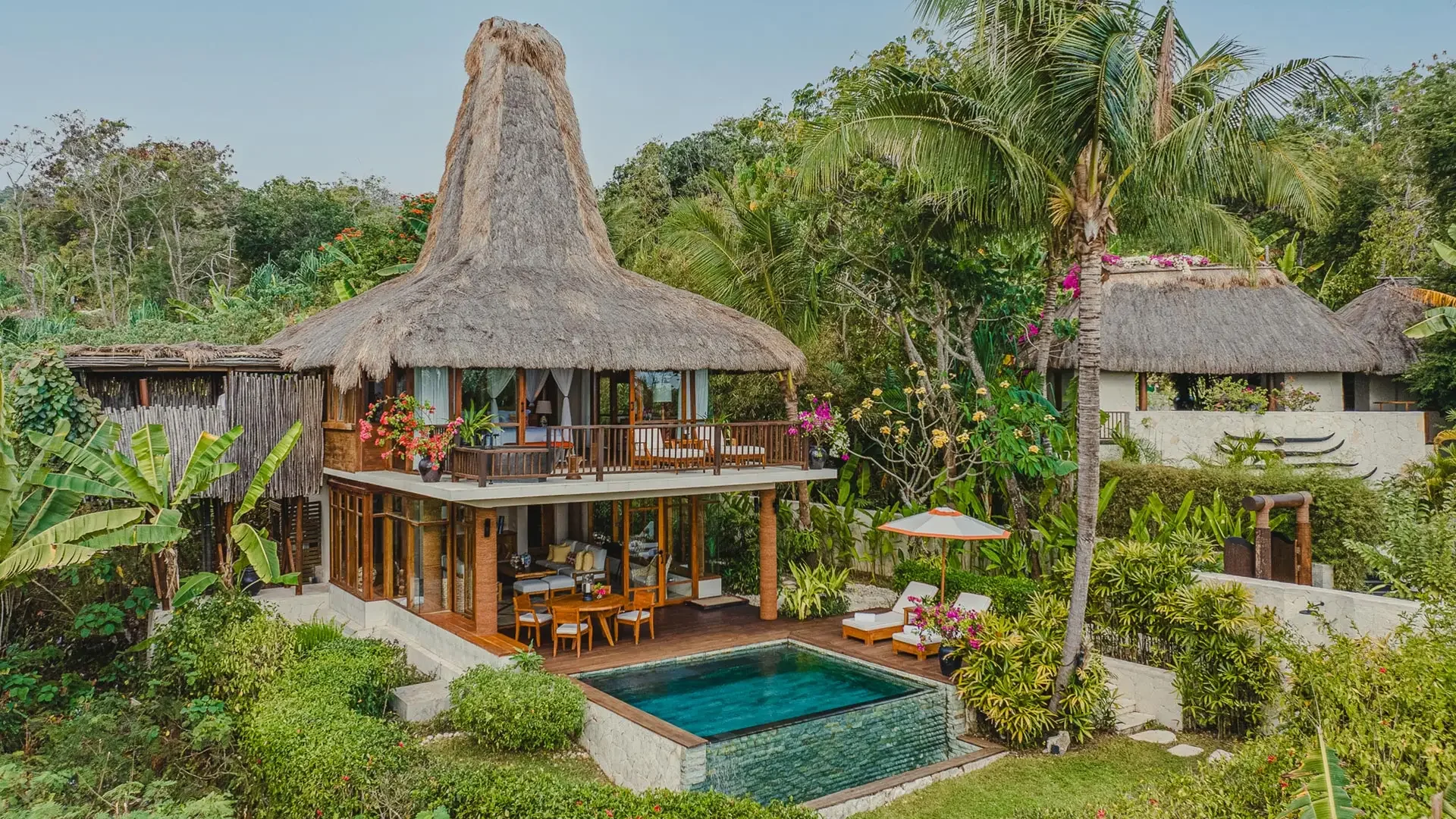
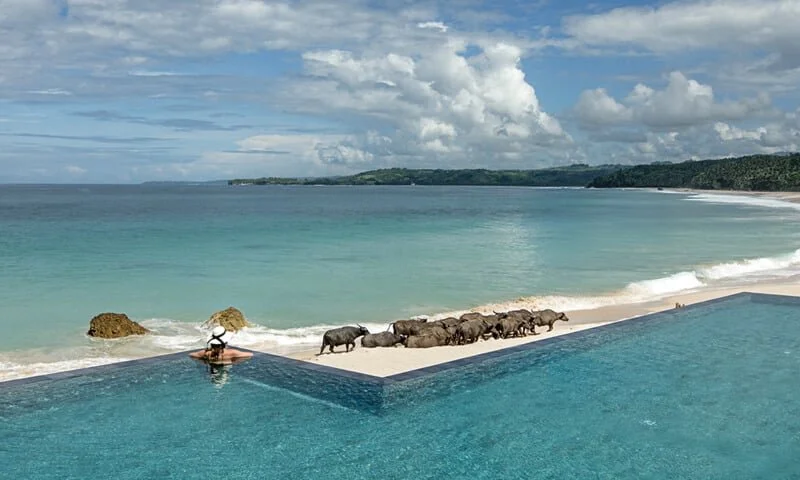
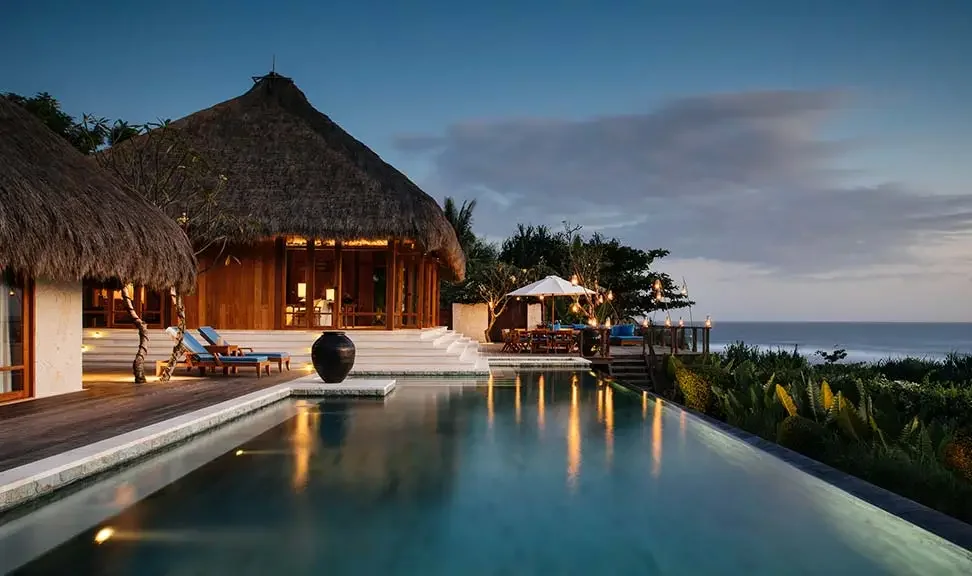
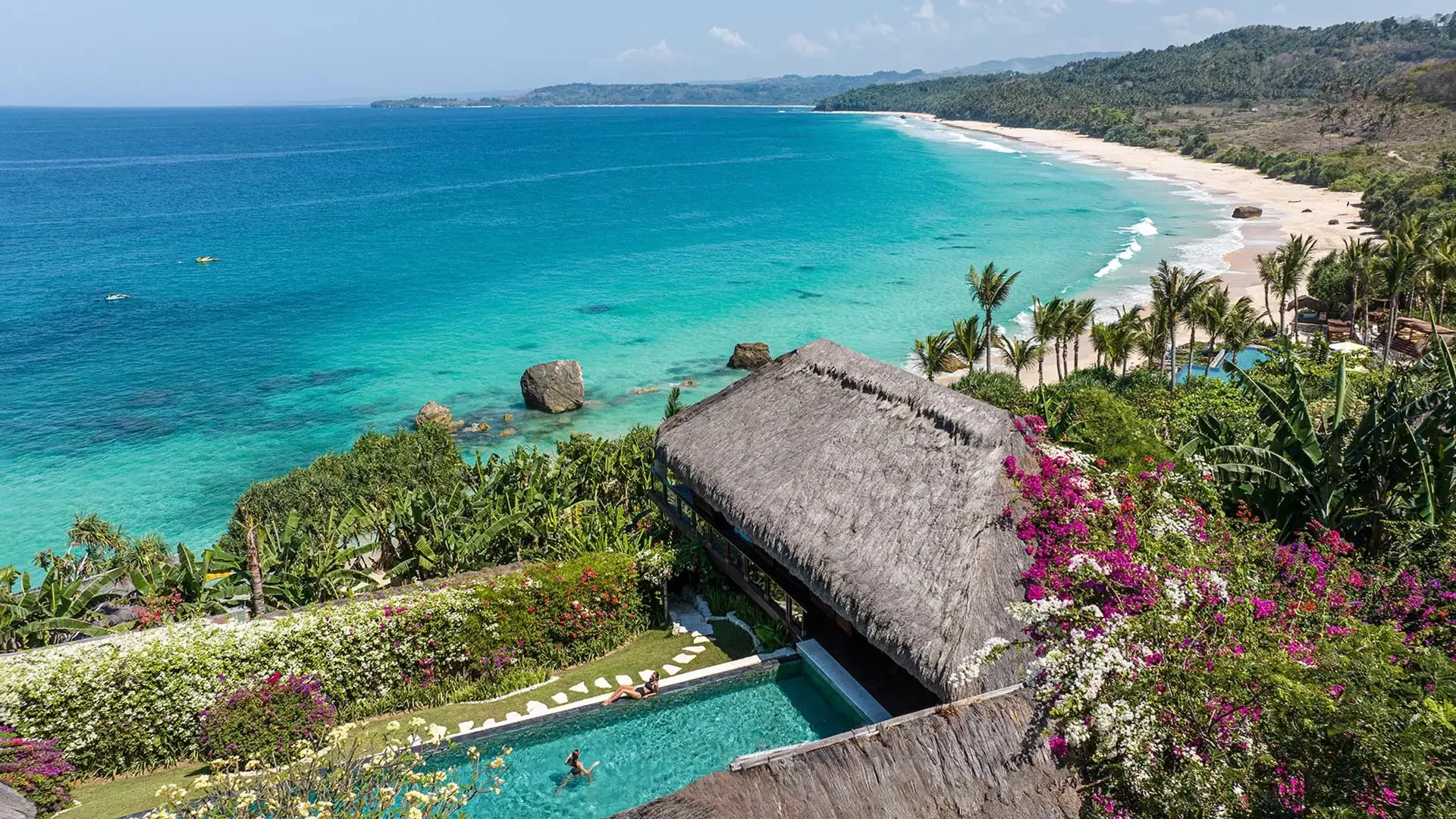
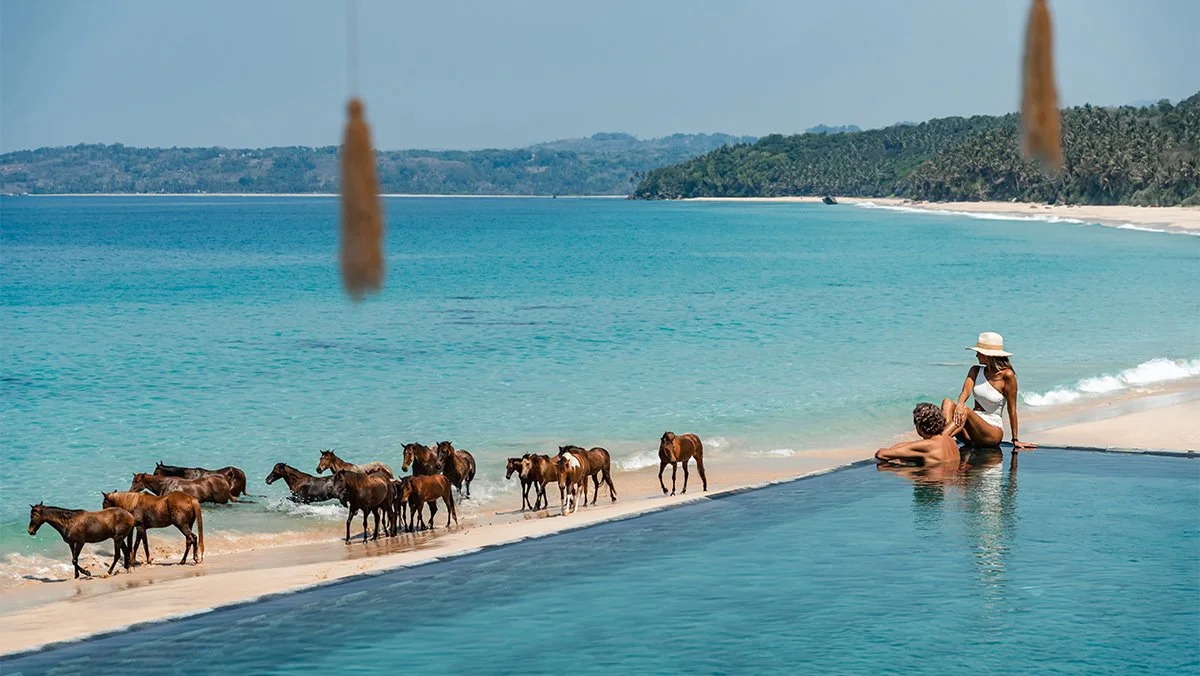
On the island of Sumba, two worlds converge: wild, untouched landscapes and the refined beauty of one of the world's most celebrated resorts. NIHI Sumba sits on 560 acres of raw coastline where jungle meets endless sand, and horses run free along the surf. Its thatched-roof villas, built by local Sumbanese artisans, gaze over the Indian Ocean with an elegance that feels both natural and indulgent.
This is not rustic luxury. It is world-class refinement: private pools that dissolve into the horizon, interiors dressed with handwoven textiles and carved wood, service that anticipates every desire without breaking the rhythm of the island. Voted Travel + Leisure's Best Hotel in the World for two consecutive years, NIHI is proof that five-star beauty and genuine conscience are not in tension — they are the same thing.
Why NIHI Sumba is One of the World's Most Consciously Considered Luxury Resorts: CS Badges




Sourced from Place | The villas are built in the Sumbanese tradition — stone, wood, and thatch sourced locally, constructed by local artisans whose craft is of this island. NIHI opens its doors three times weekly to local farmers, purchasing seasonal produce directly for use in its restaurants. Dining incorporates organic ingredients grown on island farms alongside recipes drawn from Indonesian heritage. Every material detail speaks the language of Sumba.
Local artisan construction in Sumbanese tradition · three-times-weekly local farmer market at NIHI · organic island produce throughout · Indonesian culinary heritage
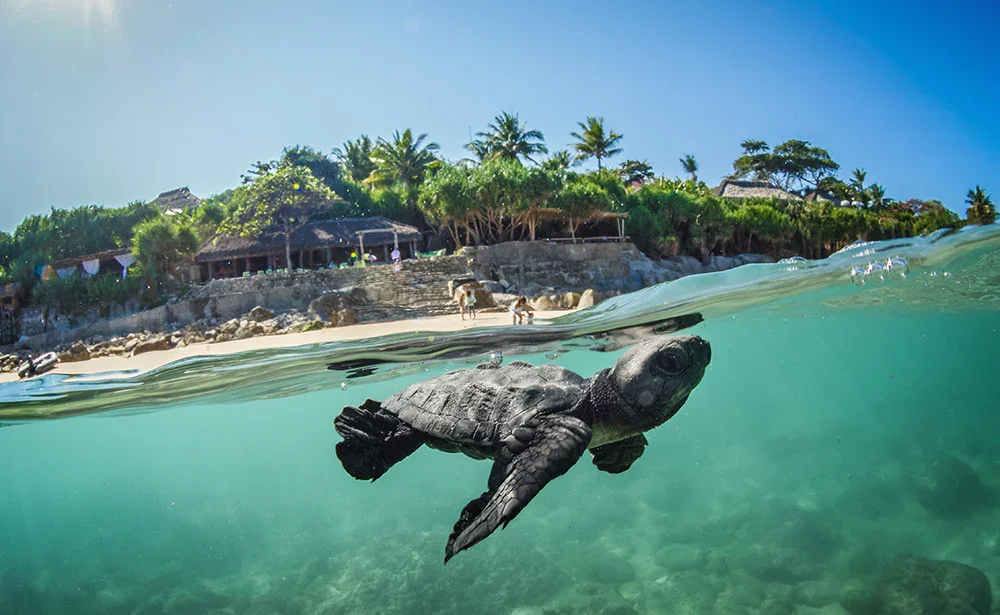
Restorative | The Sumba Hospitality Foundation transformed what was once an entirely arid landscape — a single tree — into a thriving 3-hectare permaculture garden producing fruit, vegetables, and medicinal herbs. The organic farming programme teaches local farmers regenerative methods, rebuilding soil health through composting across the island. Coral reefs and rainforest habitats are actively protected. 80% of wastewater is recycled for irrigation. The wild horse population of Sumba's coastline is safeguarded as an integral part of the resort's relationship with the land.
3-hectare permaculture garden created from arid land · organic soil restoration through composting · coral reef and rainforest protection · 80% wastewater recycled · wild horse population protected
Community Woven In | No hotel on Conscious Select — and few hotels in the world — has woven itself into its community more completely than NIHI Sumba. The Sumba Foundation, established in 2001 by resort founders Claude and Petra Graves, has become one of Indonesia's most effective grassroots philanthropic organisations. Its work to date: malaria reduced by 93% in core areas and 70% island-wide. Over 80 wells and 300 water stations installed, bringing clean water to more than 30,000 villagers. More than 1.75 million school lunches delivered. Four health clinics operating across two districts. 500 WHO-certified malaria microscopists trained. 91 university scholarships awarded. 188 English language classes per week taught across government schools. The Sumba Hospitality School, founded in 2016, trains local youth directly for careers in tourism — and graduates work at NIHI itself. Guests can visit the Foundation, tour its projects, and volunteer with the school lunch program.
93% malaria reduction · 30,000+ villagers with clean water access · 1.75 million+ school lunches · four health clinics · 91 university scholarships · 188 English classes per week · Sumba Hospitality School graduates employed at NIHI
Leave No Trace | The resort runs on 288 solar panels. 80% of wastewater is reused for irrigation. Organic gardening and composting operate throughout. The Sumba Hospitality Foundation's campus is built primarily from bamboo, solar-powered, with its own permaculture systems. NIHI has been named one of the world's top seven eco-hotels and holds TripAdvisor's Best of the Best designation.
288 solar panels · 80% wastewater reuse · organic gardening and composting throughout · bamboo construction at Sumba Hospitality Foundation · globally recognised eco-hotel
The Experience: Ocean and Adventure
Sumba offers a frontier that few islands can match. Surfers chase Occy's Left — the legendary left-hand break reserved exclusively for NIHI guests, capped at ten riders per day — a wave of such quality that it has attracted the world's best surfers and remains one of the most coveted in Asia. Fishing expeditions chase marlin and tuna offshore. Divers and snorkellers explore pristine coral reefs. Inland, hikes lead to waterfalls and hidden villages where Sumbanese traditions remain entirely intact.
The Experience: Jungle and Renewal
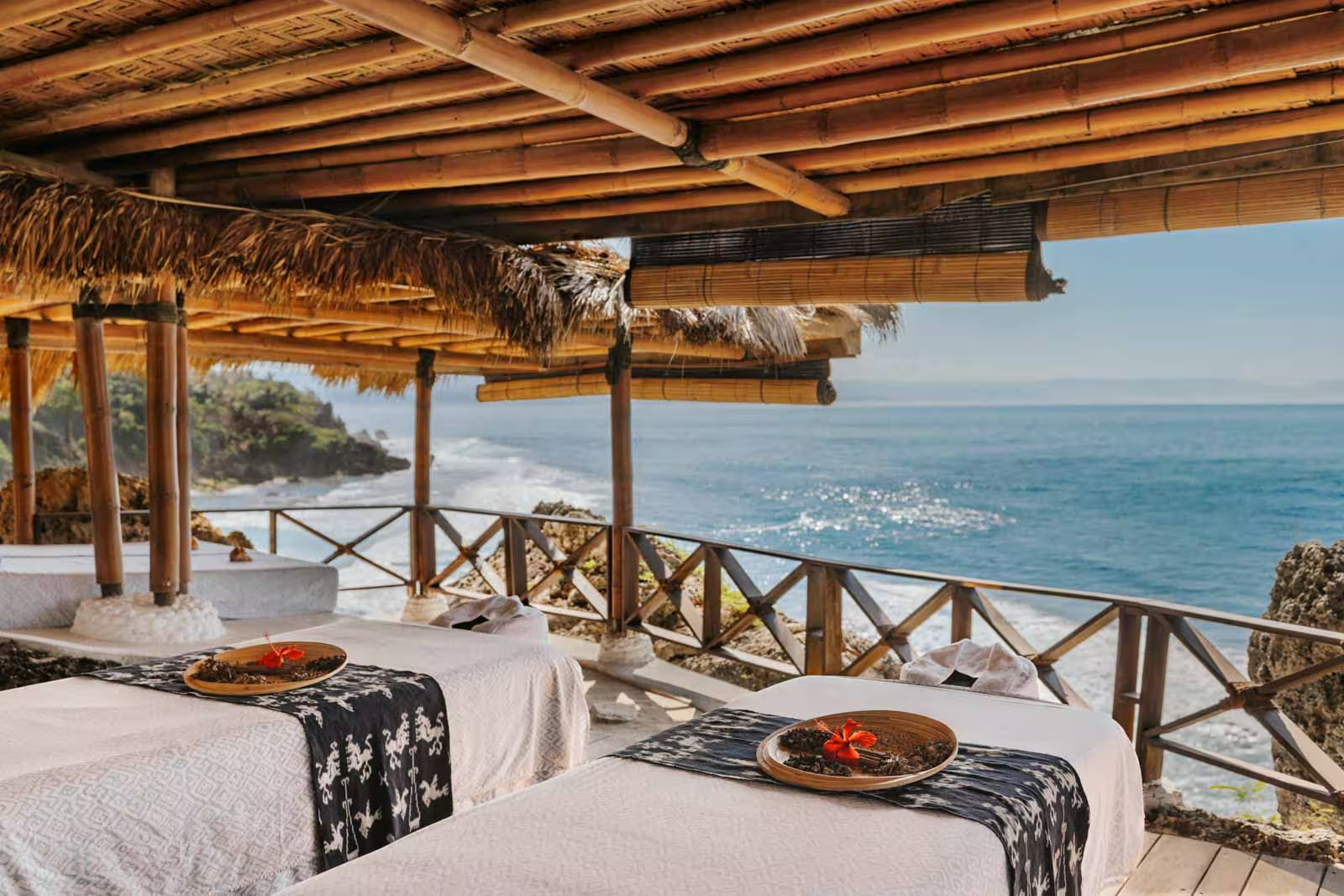
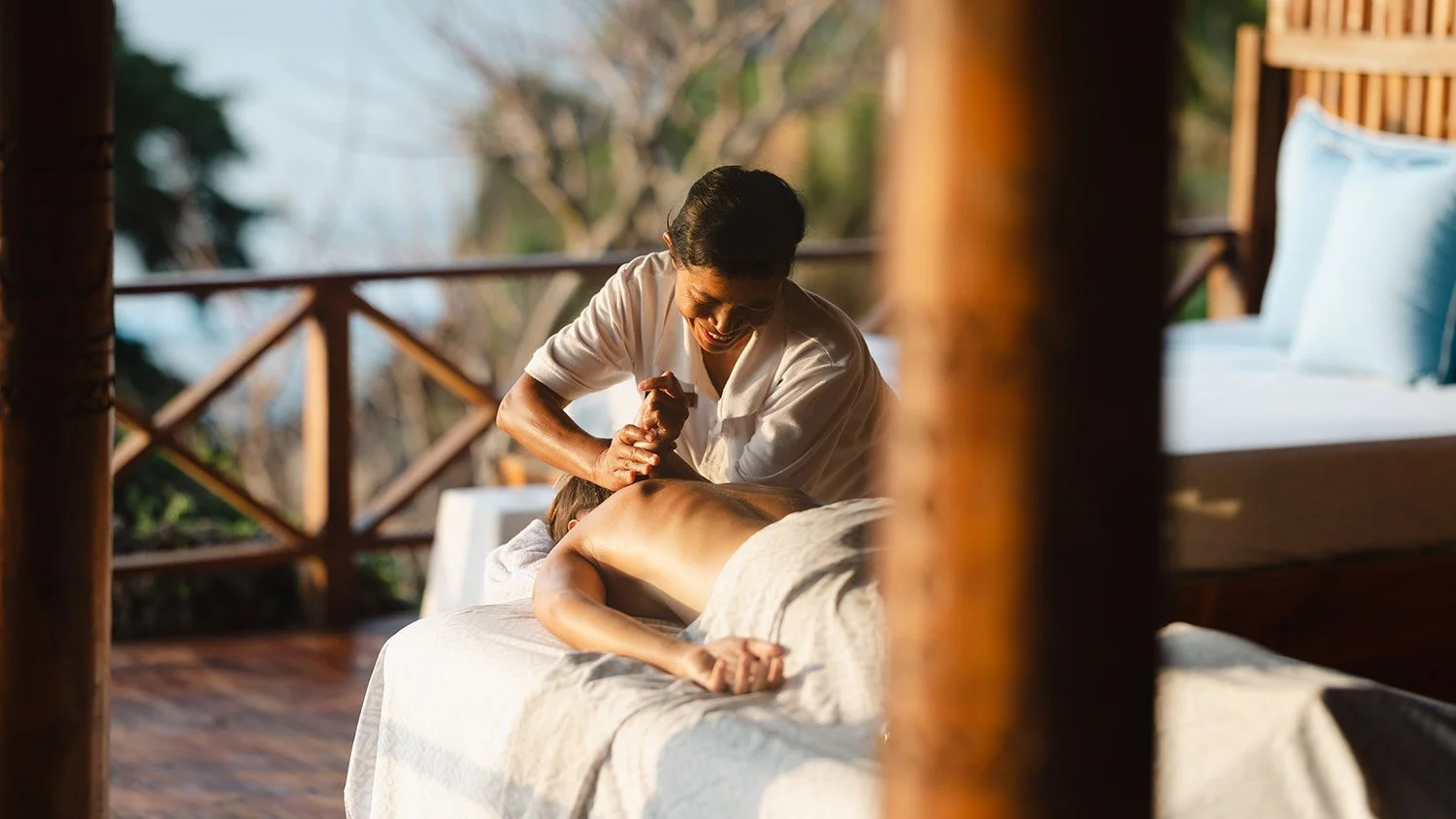
For those seeking stillness, the jungle offers a quieter rhythm. The Spa Safari is a full-day immersion — hours of massage, facials, and body treatments in an open-air jungle pavilion where the only soundtrack is the rustling of palms and distant birdsong. Afternoons pass in hammocks overlooking the sea, or on long, empty beaches that feel private by design. Evenings bring barefoot dinners on the sand: grilled lobster, tropical fruit, and Indonesian spices paired with fine international wines.
NIHI is also the first hotel in the world to offer a 24-hour equine wellness program — horses available for therapy, connection, and movement at the spa, rooted in the island's deep relationship with its wild horse population.
The Resort
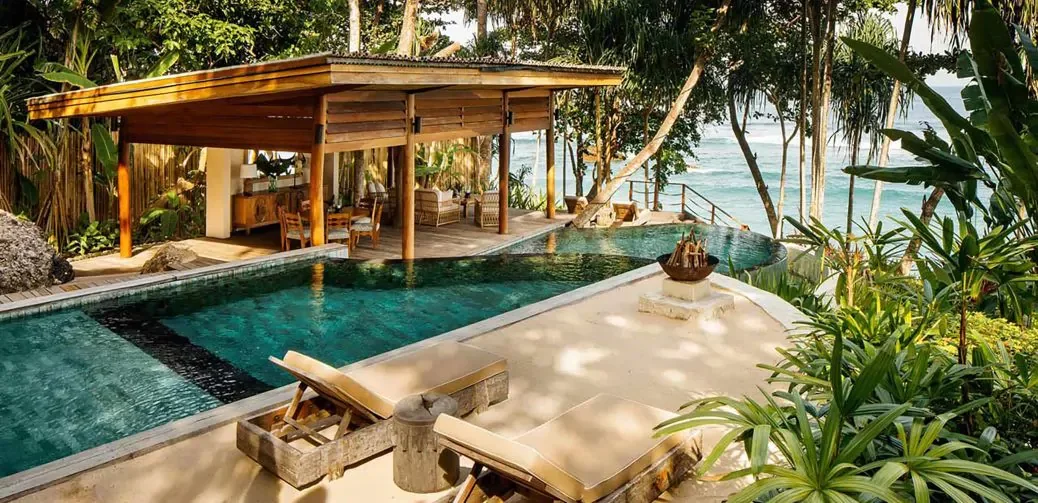
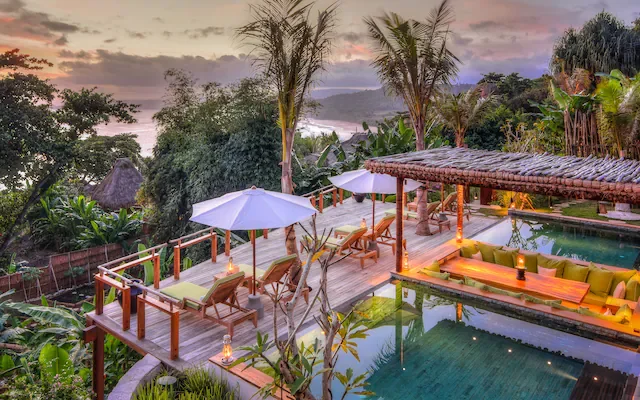
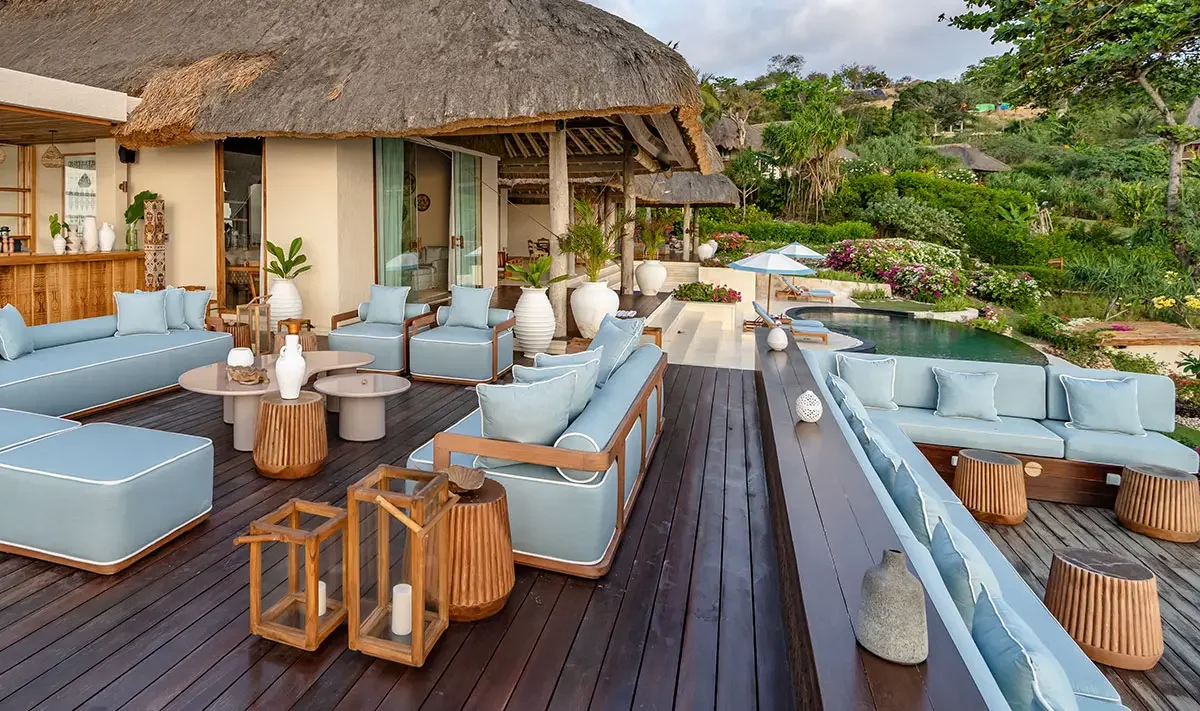
Thatched-roof villas and ocean houses spread across 560 acres of coastline, each with private pool and direct views over the Indian Ocean. Interiors are dressed with handwoven Sumbanese textiles, carved timber, and a considered restraint that lets the island do the visual work. The Spa Safari takes place in a dedicated jungle pavilion. Dining ranges from barefoot beach dinners to candlelit tables under tropical canopy, with menus rooted in Indonesian tradition and local produce.
Frequently Asked Questions about NIHI Sumba
What is NIHI Sumba known for? NIHI Sumba has been named Travel + Leisure's Best Hotel in the World for two consecutive years and is consistently ranked among the finest resorts globally. It is known equally for its wild natural setting on Sumba Island, its Spa Safari experience, the legendary surf break Occy's Left, and the Sumba Foundation — one of Indonesia's most effective community philanthropy programmes.
What is the Sumba Foundation? The Sumba Foundation is a non-profit organisation founded in 2001 by NIHI's original creators Claude and Petra Graves. It has reduced malaria by 93% in core areas, installed 80+ wells bringing clean water to over 30,000 villagers, delivered 1.75 million school lunches, and established four health clinics, 91 university scholarships, and 188 English language classes per week across Sumba's government schools. Guests can visit and volunteer with the Foundation during their stay.
Where is Sumba Island, Indonesia? Sumba is a remote island in eastern Indonesia, in the province of East Nusa Tenggara. The nearest airports are Tambolaka (West Sumba) and Waingapu (East Sumba), both accessible via Bali or Jakarta. The island is approximately 1,200 kilometres east of Bali.
What is Occy's Left at NIHI Sumba? Occy's Left is a legendary left-hand surf break located directly in front of NIHI Sumba, named after world champion surfer Mark Occhilupo. It is reserved exclusively for NIHI guests and capped at ten riders per day, making it one of the most exclusive and coveted waves in the world.
Why It's Consciously Selected
NIHI Sumba has been called the best hotel in the world not just for its beauty, but for its soul. It is five-star hospitality of the highest calibre — polished villas, impeccable service, unforgettable dining — combined with a rare sense of purpose. By weaving together luxury, sustainability, and a philanthropy programme that has genuinely transformed life for tens of thousands of Sumbanese people, it transforms indulgence into something deeper.
At NIHI, wilderness is preserved, communities are empowered, and every guest leaves with a sense of connection that lingers long after departure.