
Six Senses Zil Pasyon | Félicité Island, Seychelles
A Private Island Where Nature Leads: Conscious Select × Six Senses Zil Pasyon
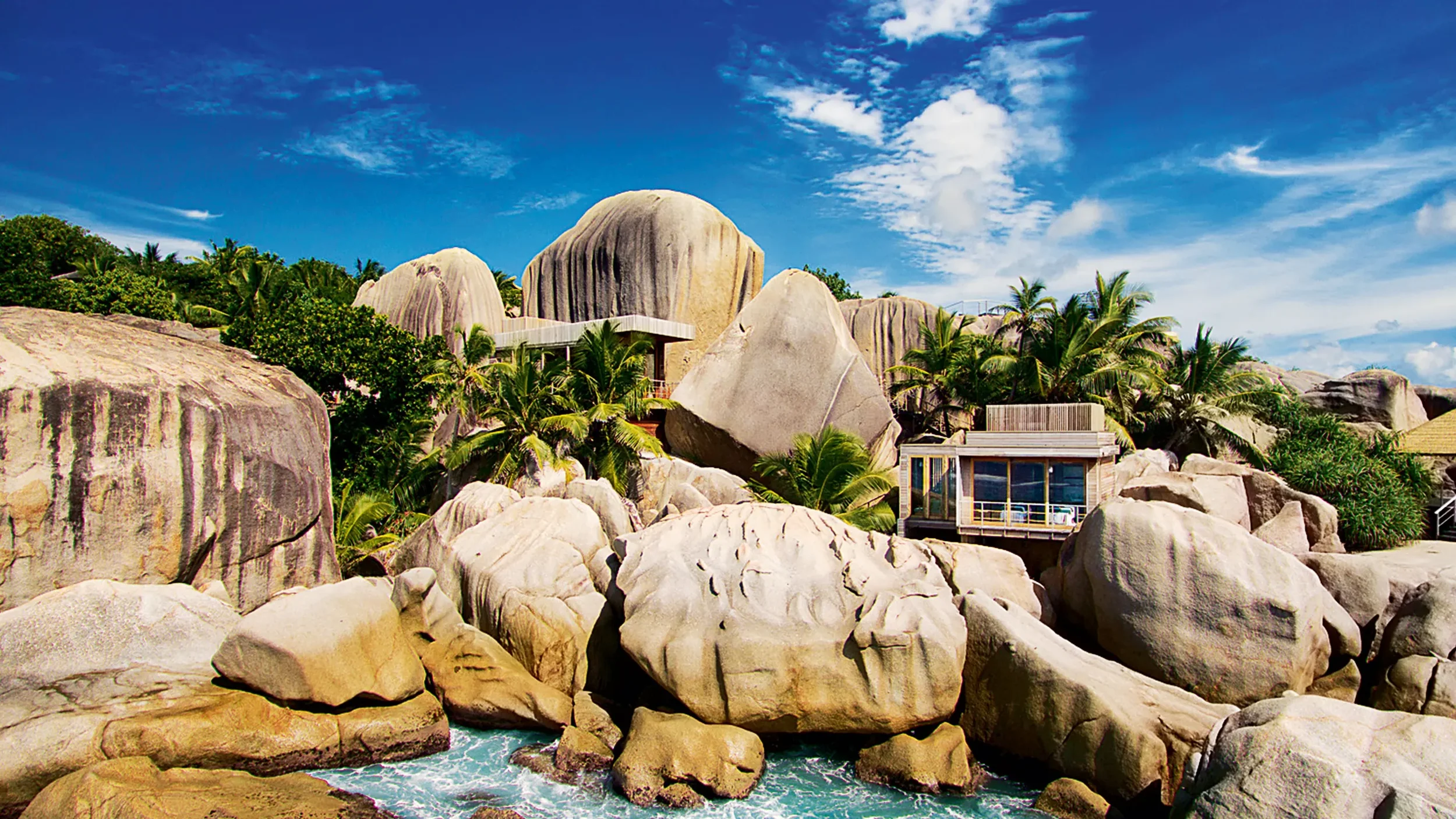
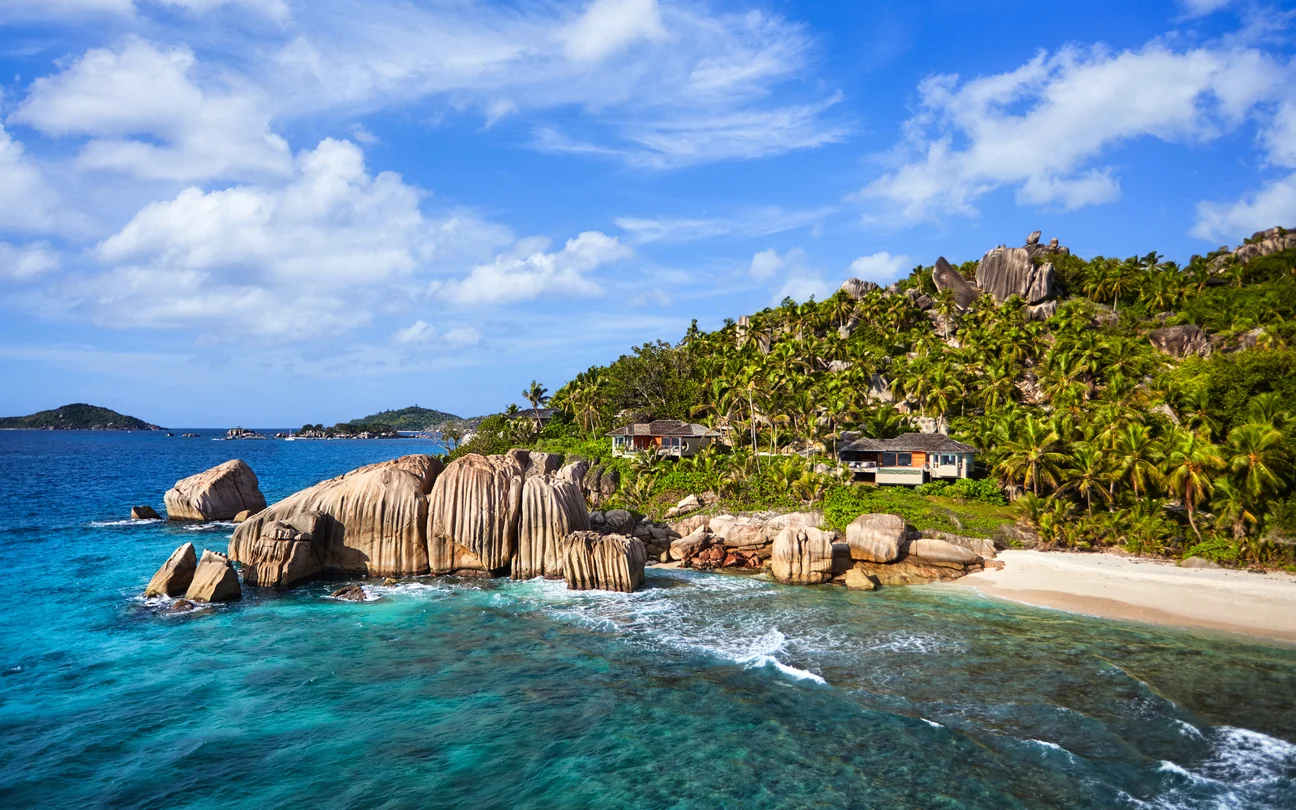
There are few places left in the world where you feel the island has more to say than you do. Six Senses Zil Pasyon, on Félicité in the Seychelles, is that kind of place. Arrival is cinematic — jagged granite boulders rising from turquoise water, palms bowing in the wind, villas that don't so much sit on the island as yield to it.
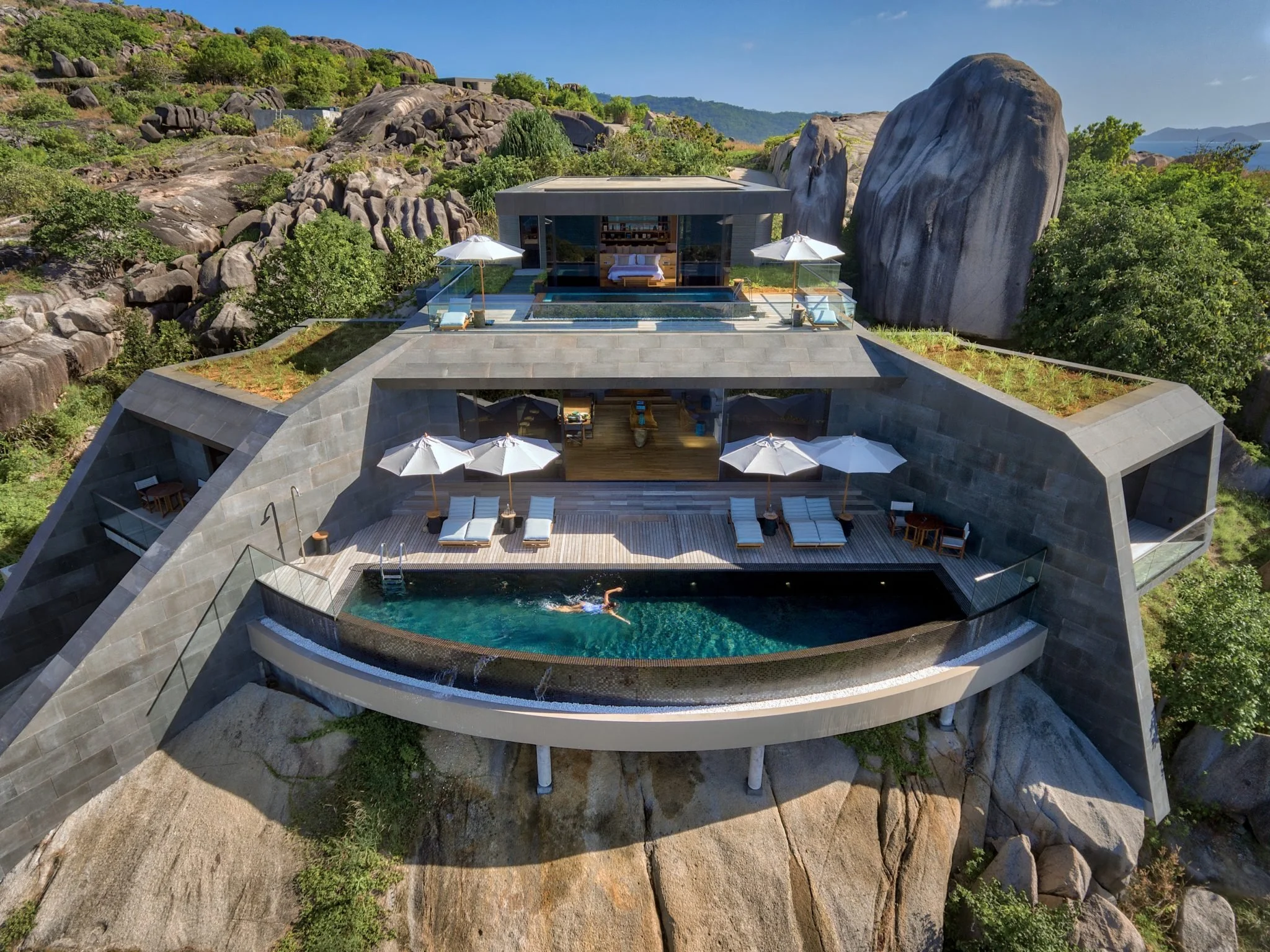
Every element here is designed around a single principle: nature first. The resort was built with minimal impact, carefully placed around granite rather than through it. The island powers itself with a solar farm and desalination plant. And below the surface, a coral nursery is quietly rebuilding what climate change has taken.

Why Six Senses Zil Pasyon is One of the World's Most Consciously Considered Luxury Resorts: CS Badges
Sourced from Place | Félicité grows what it can and sources the rest from the water surrounding it. An on-site garden supplies fruits, vegetables, and herbs using permaculture and composting principles. Local Seychellois fishermen supply the kitchens directly. Morning smoothies are blended with bananas and papayas grown steps from the villas. Spa treatments are built around island-grown botanicals and African healing traditions rooted in the region. In-house water bottling eliminates any need for imported plastic. The architecture uses only endemic and indigenous planting throughout — every tree, shrub, and plant on the island belongs here.
On-site permaculture garden · local fishermen direct supply · island-grown spa botanicals · in-house water bottling · only endemic and indigenous planting throughout
Restorative | This is one of the most active restoration programmes of any luxury resort in the world. The coral restoration project, begun in 2017 in partnership with two local NGOs — Ramos Marine & Island Reserve and Nature Seychelles — and the Seychelles National Parks Authority, has transplanted over 1,000 corals back to the Marine Protected Area surrounding Félicité and Coco Island. A resident marine biologist monitors turtle populations in partnership with the Olive Ridley Project, protecting hawksbill and green sea turtle nesting sites. Invasive species are actively eradicated across the island and replaced with endangered endemic plants, allowing native birds and wildlife to return. Félicité itself was once a coconut plantation — it has been restored to its original vegetation state.
1,000+ corals transplanted to Marine Protected Area · resident marine biologist · Olive Ridley Project turtle conservation · invasive species eradication · endemic plant restoration · former plantation returned to natural state
Community Woven In | The resort employs Seychellois staff throughout, channels revenue into local conservation groups and education initiatives, and actively involves guests — including children through its Grow with Six Senses programme — in understanding the island's ecology. Connection with the surrounding communities of La Digue, Praslin, and Mahé is built into the resort's operation, not bolted on as afterthought.
Seychellois employment throughout · local conservation group funding · education and nature programming for guests and children · community ties across neighbouring islands
Leave No Trace | Zil Pasyon is powered by its own solar farm and makes fresh water through its own desalination plant — entirely self-sufficient in both energy and water. Plastic has been eliminated across all operations; the resort is one of the first signatories of the Global Tourism Plastics Initiative, part of the UN Environment Programme's One Planet Sustainable Tourism Programme. All bottles and utensils are in-house and reusable. Composting closes the food waste loop. A third-party sustainability certification is held. Carbon footprints are measured and offset.
Solar-powered resort · own desalination plant · plastic eliminated entirely · UN Global Tourism Plastics Initiative signatory · third-party sustainability certified · carbon measured and offset
The Experience at Six Senses Zil Pasyon
A day here begins with light. Sunrise pours through floor-to-ceiling windows as the sea shifts from pale silver to electric blue. Breakfast is served barefoot on a shaded deck — tropical fruit from the island's own garden, Seychellois coconut curries, breadfruit pancakes drizzled with honey from nearby hives.
Afternoons are for discovery — snorkelling through the coral gardens being actively restored below the surface, hiking through palm forest where the sound of waves never fully fades, kayaking between the neighbouring islands that dot the horizon like emeralds. A resident marine biologist can take you to the turtle nesting sites, or into the coral nursery to understand what restoration looks like up close.
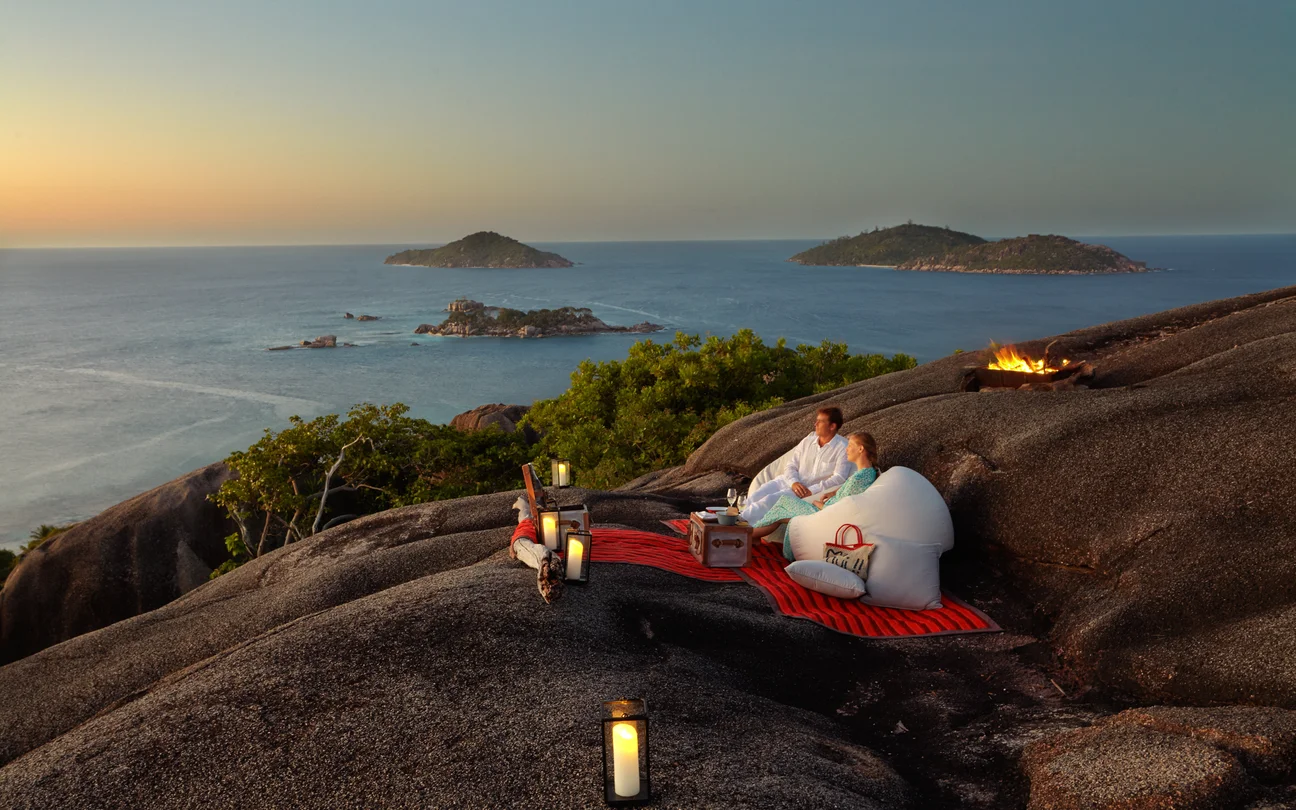
Evenings slow the rhythm. Cocktails made with island-grown herbs as the sun dips into the ocean. Dinner is Creole-inspired — red snapper, plantain fritters, rum-infused desserts. Stars stretch endlessly overhead, brighter than you ever imagined, untouched by city haze.
The Resort
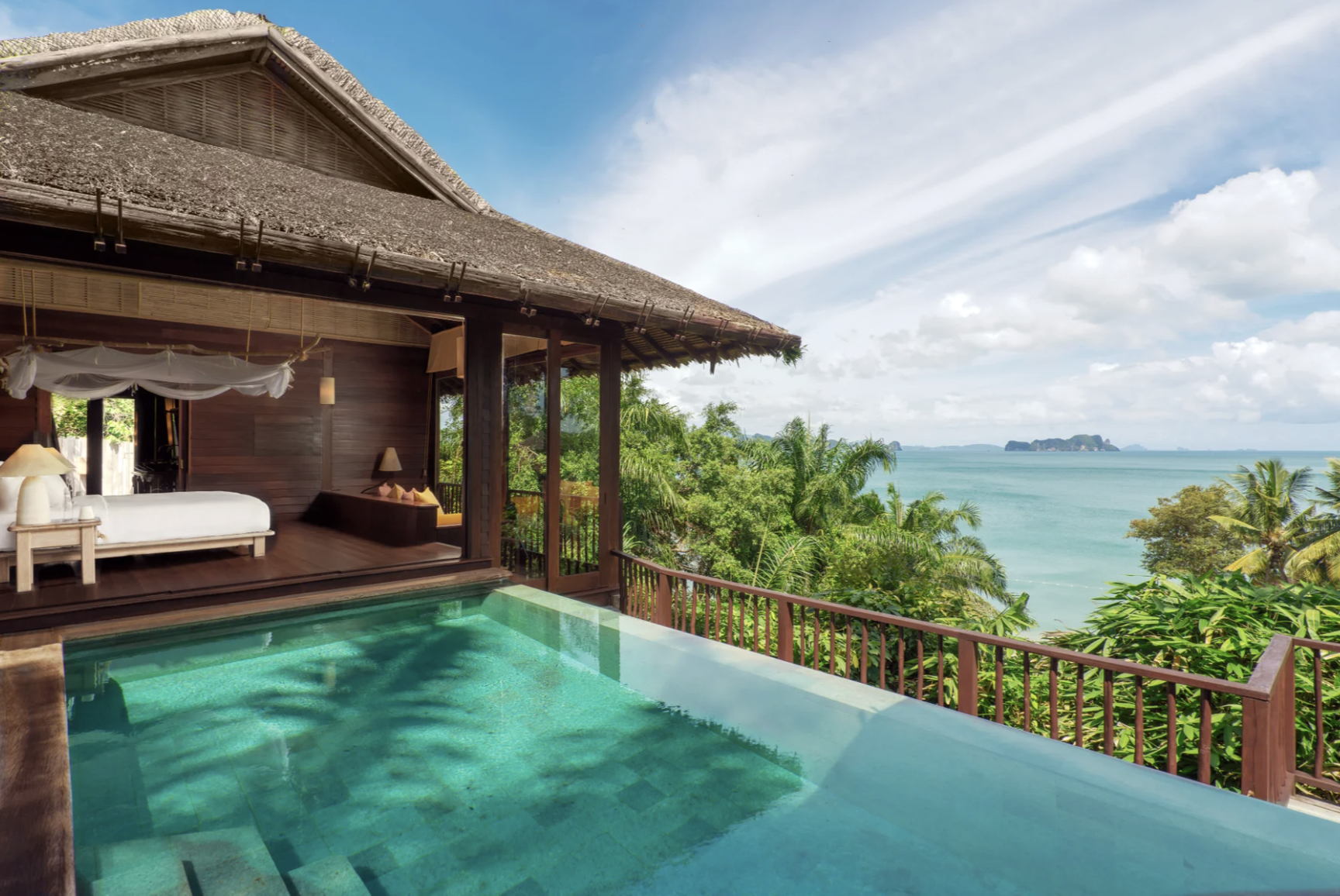
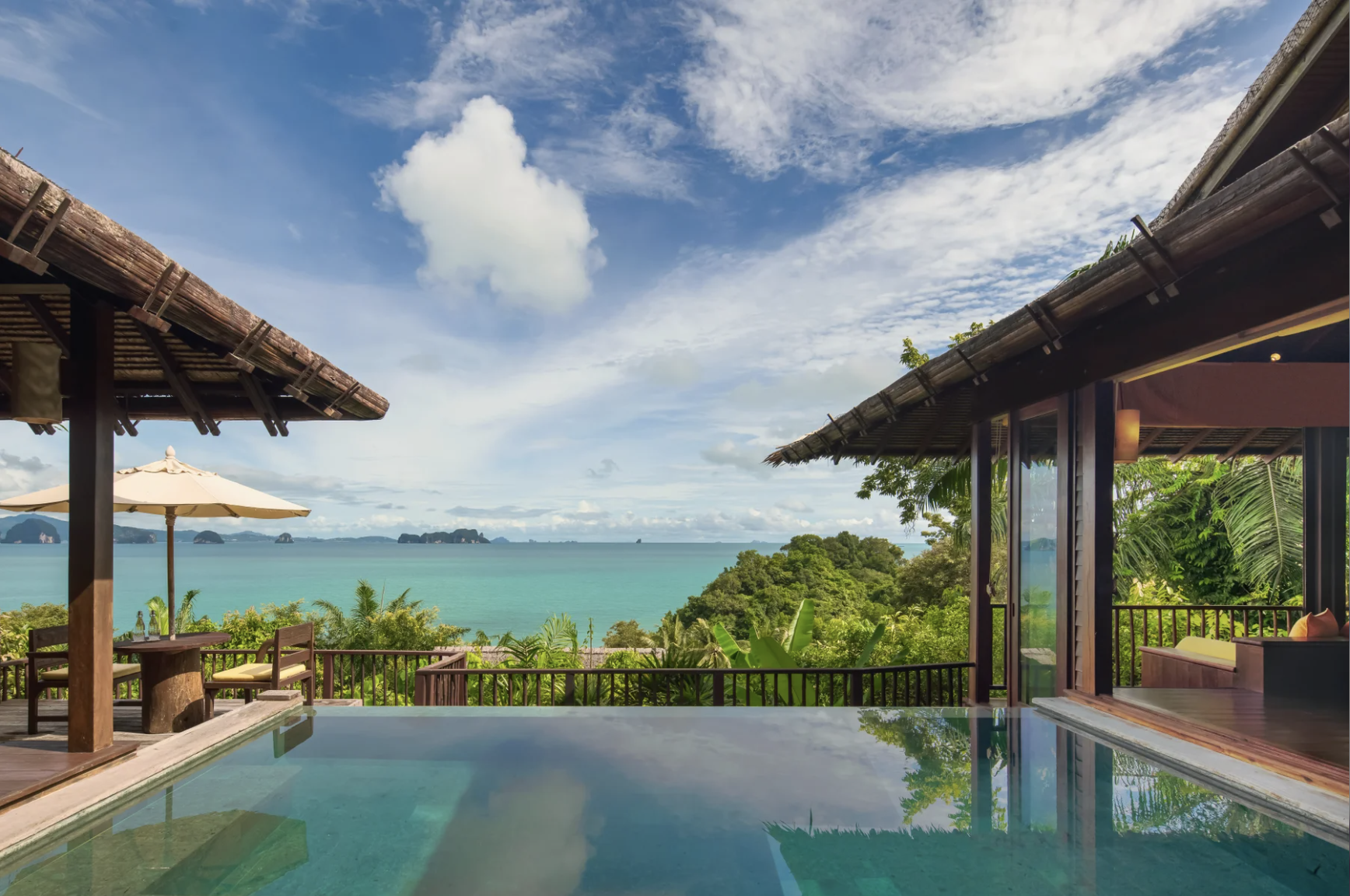
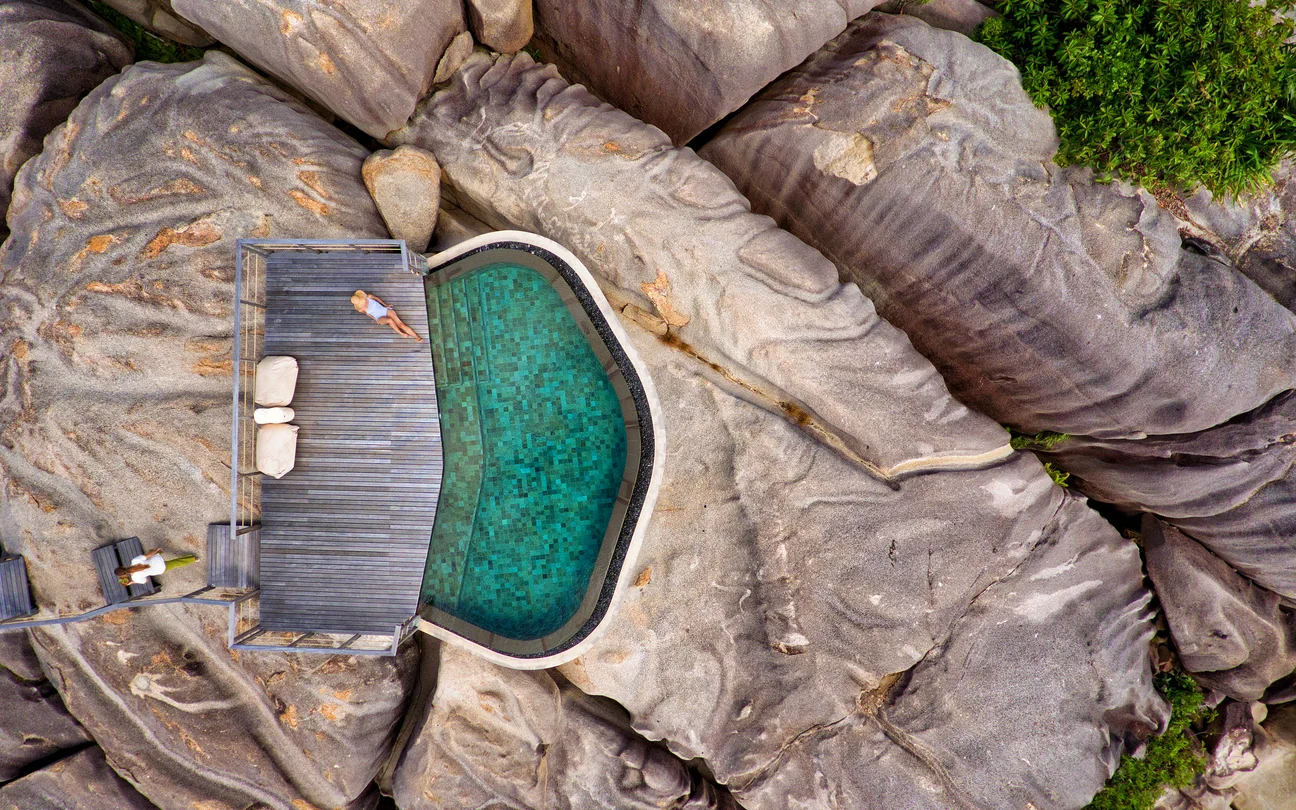
30 pool villas and residences across one-third of Félicité's land mass — the remainder of the island left entirely to nature. Each villa is built around the granite landscape rather than against it, with private infinity pools, open-air living, and views that frame the Indian Ocean without obstruction. The Six Senses Spa perches on dramatic rock formations above the water, with five treatment rooms, a saltwater infinity pool, sauna and steam rooms, and a yoga and meditation pavilion open to the sea. Access is by helicopter from Mahé (20 minutes) or boat from Praslin and La Digue.
Frequently Asked Questions about Six Senses Zil Pasyon
What makes Six Senses Zil Pasyon sustainable? It is among the most rigorously sustainable luxury resorts in the world. The resort is solar-powered and water self-sufficient via its own desalination plant. Plastic has been entirely eliminated. It holds a third-party sustainability certification and was among the first resorts to sign the UN Global Tourism Plastics Initiative. An active coral restoration programme, turtle conservation partnership, and endemic species replanting programme operate year-round on the island and in its Marine Protected Area.
Where is Félicité Island, Seychelles? Félicité is approximately 55 kilometres northeast of Mahé, the main island of the Seychelles. It is the fifth-largest island in the archipelago. Access is by helicopter (approximately 20 minutes from Mahé) or by boat from Praslin and La Digue.
What is the coral restoration programme at Zil Pasyon? The programme began in 2017 in partnership with Ramos Marine & Island Reserve, Nature Seychelles, and the Seychelles National Parks Authority. It uses heat-resistant coral strains to replant the Marine Protected Area surrounding Félicité and Coco Island. Over 1,000 corals have been transplanted back to the reef — a direct response to the 95% coral mortality event caused by El Niño warming in 2016.
What wildlife can you see at Six Senses Zil Pasyon? Hawksbill and green sea turtles nest on Félicité's beaches, monitored by a resident marine biologist in partnership with the Olive Ridley Project. The surrounding waters are part of a Marine Protected Area adjacent to Île Cocos Marine Park. The island is also one of only two places in the world where the Coco de Mer — the largest nut in the plant kingdom — grows naturally.
Why It's Consciously Selected
This is not a resort that tries to mask its footprint — it works tirelessly to shrink it, and where possible, to reverse the damage that came before. Villas curve around granite. Pathways surrender to palms. Ocean breezes replace air conditioning. Below the surface, coral grows back onto a reef that was nearly destroyed.
Luxury at Zil Pasyon is not defined by excess but by intention. It is a sanctuary where regeneration, culture, and climate responsibility create not just a stay — but a different way of understanding what travel can be..